


4.9 Stars
200+ Reviews
200+ Reviews
No products in the cart.
No products in the cart.
No products in the cart.
No products in the cart.
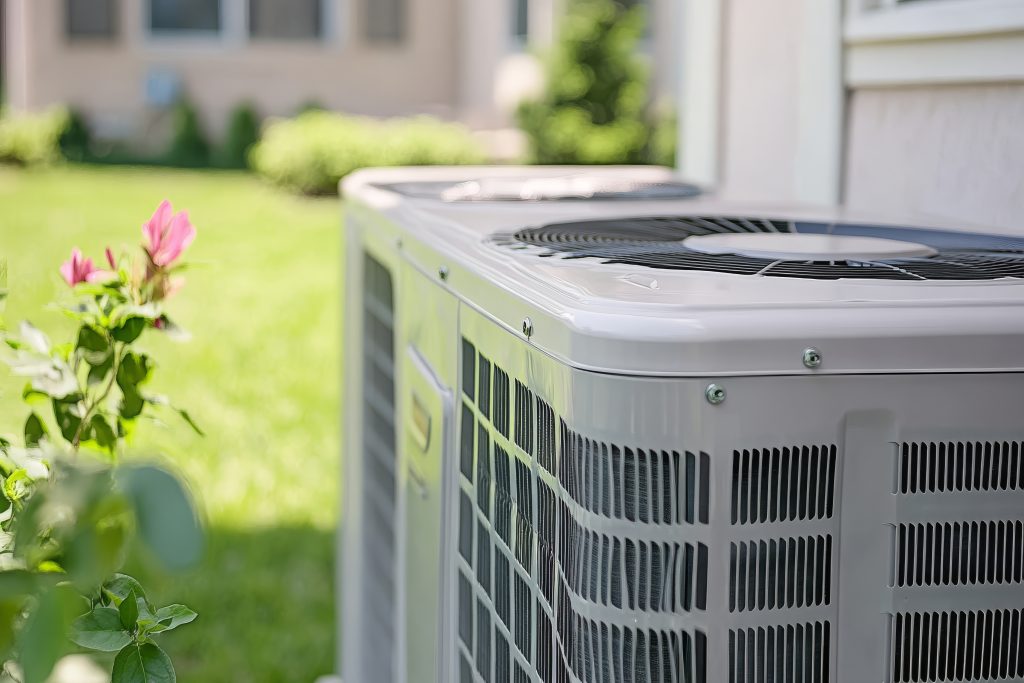
When it comes to comfort and efficiency, choosing the right HVAC system matters. Residential heating and air conditioning systems serve different purposes than commercial heater service and business cooling solutions. Understanding these differences helps you select the system that works best for your space, budget, and long-term comfort.
Residential systems are built for homes, focusing on comfort, control, and energy efficiency in smaller spaces. Commercial HVAC systems are designed to handle larger areas with higher demands, offering scalable and flexible solutions for businesses.
This guide highlights the key features of both residential and commercial options—so you can make a smart, informed decision that fits your needs.
Residential systems are designed to keep homes comfortable all year. They focus on consistent temperature control, lower energy use, and easy operation. Many setups now include smart thermostats that let you adjust settings remotely and track energy usage.
Regular service, including seasonal maintenance and occasional home AC repair, helps extend the system’s life and prevent surprise breakdowns. A well-maintained system also runs more efficiently, keeping energy bills in check.
Modern residential heating and air conditioning systems often include features that learn your preferences, adjust automatically, and improve indoor comfort with minimal energy waste—making them a solid investment for everyday living.
Commercial systems are built for scale. They handle high-capacity heating and cooling across larger or multi-zone spaces like offices, retail stores, and warehouses. These systems must be adaptable, durable, and energy-efficient to meet shifting business demands.
One key advantage of commercial heater service is the ability to customize climate zones. With tools like ductless mini-splits or rooftop units, businesses can adjust temperature settings by room or department—improving comfort while keeping costs under control.
Reliable business cooling solutions also boost productivity and customer satisfaction. A comfortable space supports focus, reduces complaints, and helps protect equipment from temperature swings. Combined with regular maintenance, a commercial HVAC system becomes a key part of smooth operations.
Important Facts About Residential vs. Commercial Home Comfort SolutionsChoosing the right HVAC system is crucial for comfort and efficiency. Understanding the differences between residential and commercial systems can help you make an informed decision. Here are six important facts to consider:
|
Residential heating and air conditioning systems are designed for smaller, single-use spaces. They prioritize simplicity, energy efficiency, and homeowner control. These systems are typically compact, easy to install, and ideal for maintaining consistent temperatures in a single-family home.
Commercial HVAC systems, on the other hand, are built for scale. They support larger, more complex spaces such as office buildings, warehouses, or retail stores. These systems often include multiple zones and advanced controls to meet the varied needs of a business environment.
One major difference is in maintenance. Commercial heater service requires more frequent checkups due to the system’s workload and complexity. In contrast, home HVAC systems usually have simpler maintenance needs and can often be serviced more quickly.
Both types of systems can include smart technology, programmable settings, and high-efficiency features. But the installation, cost, and performance demands vary widely. Understanding the difference is key—whether you need reliable home AC repair or full-scale business cooling solutions.
When comparing residential heating and air conditioning to commercial systems, cost is a major factor. Residential systems usually cost less upfront, thanks to their smaller size and simpler installation. Commercial systems require more complex designs and equipment, which leads to higher initial expenses.
Ongoing operating costs also differ. Commercial heater service and business cooling solutions may require more frequent maintenance and higher energy use. Home systems, by contrast, are typically more predictable and affordable to maintain over time.
To make upgrades more manageable, there are financing options available. These can help both homeowners and businesses offset upfront costs. In many cases, tax credits or rebates can also ease the financial impact of installing energy-efficient systems.
Energy efficiency is a top priority for both homes and businesses. Modern residential heating and air conditioning systems are designed to reduce energy waste. For commercial properties, high-efficiency equipment can help manage large-scale heating and cooling demands more sustainably.
Heat pumps are a leading option for energy-efficient heating. They provide year-round comfort with lower operating costs. Choosing an energy-saving system also reduces your carbon footprint, making it a smart move for the environment and your wallet.
Learn more about heat pump efficiency and how it can benefit both residential and commercial applications.
The HVAC industry is shifting toward smarter, more sustainable solutions. One major change is the move to A2L refrigerants. These low-global-warming refrigerants are safer for the environment and will soon become standard in both residential and commercial systems.
Smart HVAC controls are also gaining popularity. Homeowners and business owners alike can now monitor and adjust system settings remotely, improving comfort and efficiency. These tools allow for better zoning, usage tracking, and reduced energy consumption.
To stay ahead, it’s worth exploring upcoming HVAC trends. Planning ahead means better performance, lower costs, and a smoother transition as the industry evolves.
When it comes to heating and cooling, knowing the difference between residential heating and air conditioning and commercial systems can make your decision easier. Here are answers to common questions that can help you choose the right system for your space.
Residential systems are built for smaller spaces and prioritize comfort and efficiency. Commercial systems handle larger areas and must manage more demand. They also include features like multi-zone controls and are typically more complex to install and maintain.
Yes. Home systems often cost less to run due to their size and usage. Commercial heating and cooling systems usually require more energy, more maintenance, and larger components, which can raise long-term costs.
Commercial systems need regular service to stay efficient. This includes changing filters, inspecting components, and maintaining multi-zone setups. Businesses should schedule professional maintenance to avoid system failure and reduce energy waste.
Look for home AC repair providers with a reputation for reliable service, trained technicians, and experience with smart thermostat integration. A dependable team will help maximize your system’s efficiency and comfort.
Check ratings like SEER (for cooling) or AFUE (for heating). Higher numbers mean better energy performance. Many residential and commercial systems now include heat pump technology for efficient heating and cooling year-round.
Choosing between residential and commercial HVAC solutions depends on the size and function of your space. Residential heating and air conditioning systems are built for simplicity, comfort, and ease of use. In contrast, commercial heater service and business cooling solutions handle more complex demands across larger areas.
For homeowners, system performance, cost savings, and energy efficiency are key. Smart thermostats, seasonal maintenance, and energy-efficient upgrades all contribute to a more comfortable and cost-effective home.
Businesses need scalable, reliable systems that can serve multiple zones and adapt to fluctuating usage. Regular professional service and ductless multi-zone setups are essential to maintaining performance and comfort.
Costs vary depending on system size and features. Financing options, rebates, and long-term energy savings can offset initial expenses—whether for residential or commercial setups.
Environmental impact is also an important consideration. Choosing sustainable, energy-efficient systems like heat pumps helps lower your carbon footprint while reducing utility bills. Staying informed about new technologies, including the shift to A2L refrigerants, can also prepare you for future upgrades.
Whether you need home comfort or business climate control, the right HVAC system can make all the difference. Understanding the strengths of residential and commercial systems helps you choose what works best for your space, usage, and goals.
Have questions or ready to plan your next HVAC upgrade? Contact Wisdom Refrigeration for personalized guidance and dependable service. We’ll help you compare options and choose a solution that fits your needs and budget.
*If you’re filling this out between the hours of 10 pm – 6 am, please give us a phone call instead for faster service using the following phone numbers*


