


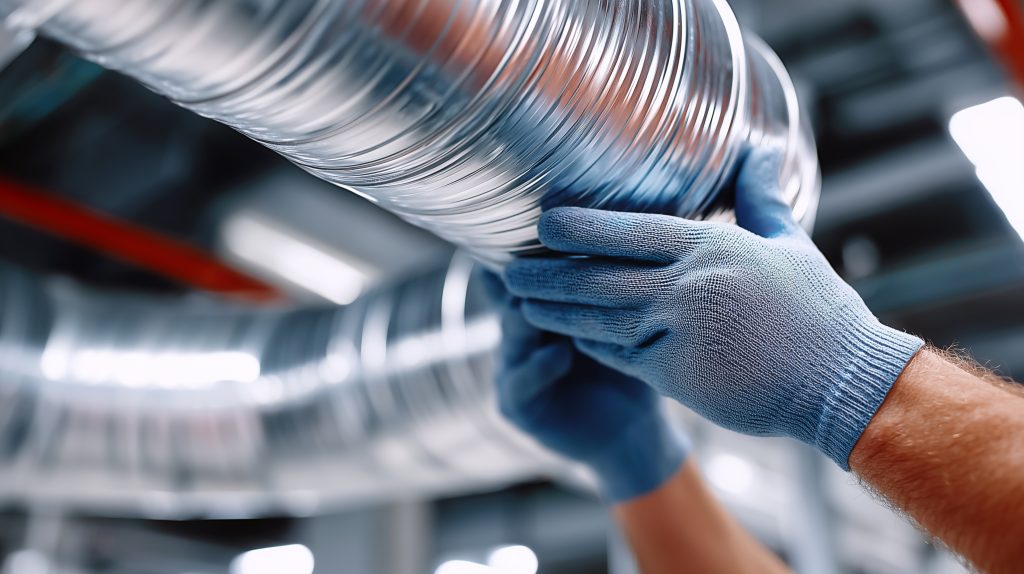
DIY Ways to Reduce Energy Costs with Efficient Home Systems
Key Takeaway: To reduce energy costs, homeowners should focus on efficient home systems. Regular AC maintenance, smart thermostat use, fixing plumbing leaks, and upgrading to efficient appliances all contribute to lower utility bills. Combining these energy saving tips supports a more sustainable and cost-effective household. Rising utility prices have made it more important than ever for families to find ways to reduce energy costs. By combining smart air conditioning practices with improved plumbing efficiency, homeowners can create efficient home systems that save money while reducing waste. The result is a more comfortable living space that requires less energy to maintain. Simple strategies, from lowering AC bills through regular tune-ups to conserving water with efficient plumbing fixtures, can add up to significant savings. This guide highlights practical energy saving tips that make homes more efficient, cost-effective, and environmentally friendly. Maximize Air Conditioning Efficiency Keeping your AC in peak condition is one of the easiest ways to reduce energy costs. Replacing or cleaning filters improves airflow and prevents the system from overworking. Regular inspections for leaks and scheduling seasonal tune-ups ensure your unit runs at top efficiency. Using a programmable or smart thermostat is another way to lower AC bills. By automatically adjusting temperatures based on your schedule, these devices reduce unnecessary runtime while keeping your home comfortable. Together, maintenance and smart controls form the foundation of efficient home systems. Smart Thermostat Advantages Smart thermostats offer precise control over heating and cooling, helping homeowners reduce energy costs without sacrificing comfort. By learning your daily habits, they automatically adjust settings to save energy when it’s not needed. Remote access also allows you to change temperatures from anywhere, ensuring efficiency even when you’re away. Over time, this technology creates measurable savings. For households aiming to improve efficient home systems, integrating a smart thermostat is one of the most effective energy saving tips available. Plumbing Efficiency Tips Plumbing plays a surprisingly important role in managing household energy use. Leaks force water heaters to work harder, wasting both water and energy. Fixing these problems promptly can reduce utility bills and conserve resources. Upgrading to low-flow faucets and showerheads is another cost-effective step toward plumbing efficiency. These fixtures reduce water consumption without compromising performance, lowering demand on your water heater and helping reduce energy costs overall. Important Facts About DIY Energy Saving As energy costs rise, many households feel the pinch. Finding ways to cut these expenses is crucial. Optimizing both air conditioning and plumbing systems helps reduce energy costs effectively. Here are some important facts to consider: Regular Maintenance: Keeping your AC unit in good shape saves energy. Simple tasks like cleaning or replacing filters boost efficiency. Smart Thermostats: These devices adjust temperatures automatically. They learn your habits and help lower energy use. Fixing Leaks: Addressing plumbing leaks promptly can prevent higher water bills. Every drop saved counts toward savings. Insulation Matters: Insulating pipes and ductwork helps keep temperatures steady. This prevents energy loss during heating and cooling. Energy-Efficient Appliances: Choosing appliances with Energy Star ratings can cut energy use significantly. Look for these labels when upgrading. Professional Check-Ups: Scheduling regular HVAC and plumbing check-ups keeps systems running smoothly. Maintenance now prevents costly repairs later. Insulating Pipes and Ductwork Insulating pipes and ductwork is a crucial step in enhancing system efficiency and reducing energy loss. Proper insulation helps maintain the desired temperature of the air or water traveling through these systems, which can significantly reduce energy costs. By preventing heat loss in the winter and keeping cool air from escaping in the summer, insulation ensures that your heating and cooling systems work more efficiently. To effectively insulate pipes and ductwork, start by identifying areas that are prone to energy loss, such as those in unheated spaces like attics or basements. Use foam pipe insulation sleeves for pipes and wrap ductwork with foil-faced fiberglass insulation. This simple yet effective DIY project can lead to substantial savings on energy bills. Additionally, addressing these areas can contribute to a more efficient home system, enhancing overall comfort. By taking the time to insulate your pipes and ductwork, you not only improve the efficiency of your heating and cooling systems but also contribute to a more sustainable home environment. This proactive approach is an essential part of any comprehensive energy-saving strategy, ensuring that your home remains comfortable while keeping utility costs in check. Energy-Efficient Appliances Investing in energy-efficient appliances is a smart way to significantly reduce energy costs. Modern appliances, such as HVAC units and water heaters, are designed with advanced technology to minimize energy consumption while maintaining high performance. By choosing appliances with Energy Star ratings, homeowners can ensure they are selecting products that meet strict energy efficiency guidelines. Energy-efficient appliances not only help in lowering utility bills but also contribute to a more sustainable lifestyle. These appliances use less energy to perform the same tasks as their less efficient counterparts, which means they have a smaller environmental footprint. This is particularly important in today’s world, where reducing energy consumption is a key factor in combating climate change. When selecting new appliances, consider the long-term savings on energy bills as well as the initial purchase price. While energy-efficient models may have a higher upfront cost, the savings they provide over time can be substantial. By integrating these appliances into your home, you can enjoy the dual benefits of lower energy bills and a reduced environmental impact. Regular HVAC and Plumbing Check-ups Scheduling regular professional check-ups for both HVAC and plumbing systems is essential to ensure they operate efficiently. Regular maintenance can prevent costly repairs and extend the lifespan of these systems, ultimately helping to reduce energy costs. By catching potential issues early, homeowners can avoid unexpected breakdowns and maintain optimal system performance. During a professional check-up, technicians will inspect and service key components of your HVAC and plumbing systems. This includes checking for leaks, cleaning components, and ensuring that all parts are functioning correctly. Such proactive maintenance not only enhances system efficiency but also contributes to a more efficient