How Ductless AC Installation Improves Comfort and Efficiency
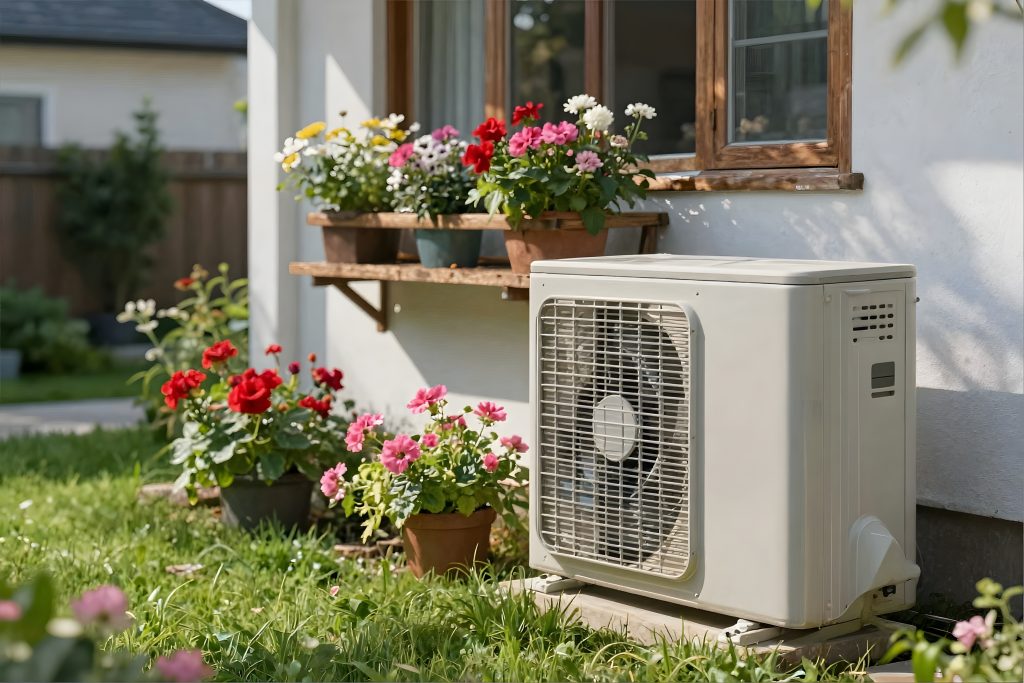
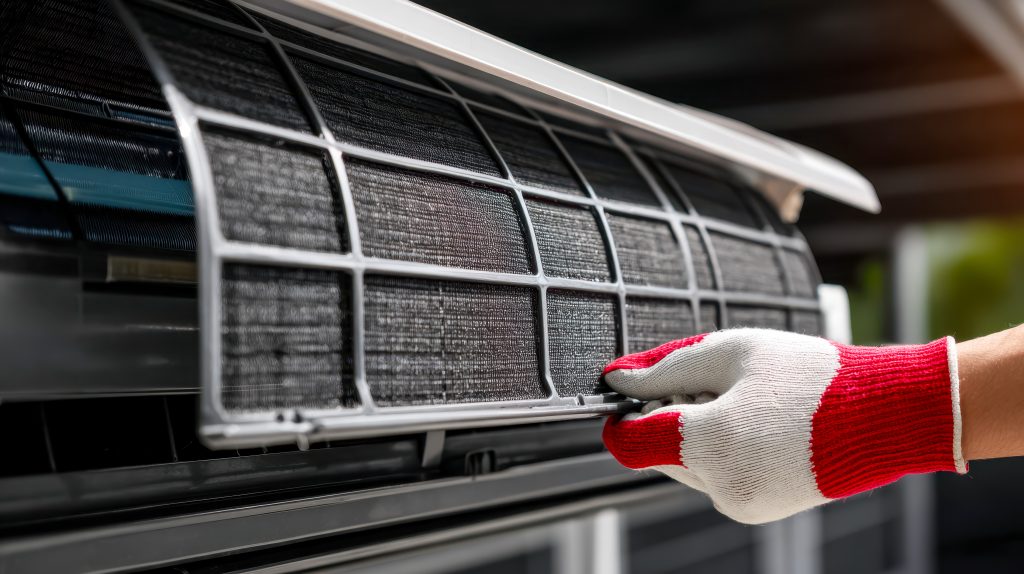
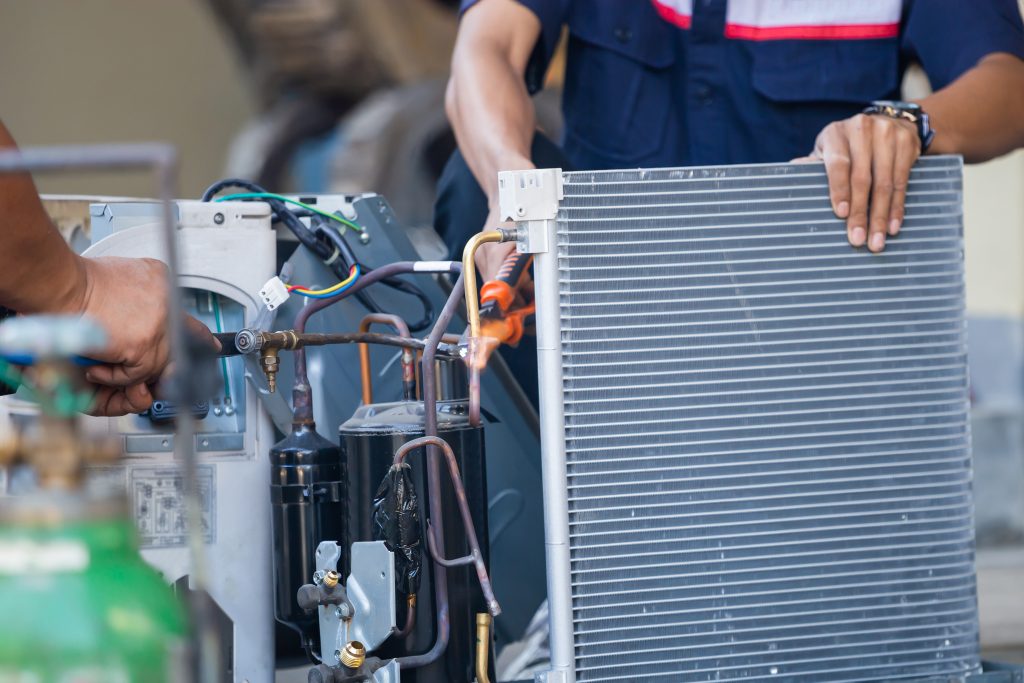
Key Takeaway: Ductless mini-split systems provide efficient, zoned comfort with minimal installation impact and lower operating costs compared to adding ductwork. Regular mini-split maintenance, including filter cleaning and annual professional service, helps preserve efficiency, quiet operation, and long equipment life. Ductless AC installation provides efficient heating and cooling with quiet operation and room-by-room temperature control. You can cool the spaces you use most while avoiding wasted energy in unused areas. Ductless mini-split systems work well in homes, offices, garages, additions, and other spaces where traditional ductwork may not be practical. Whether you need a single indoor unit or a multi-zone setup, these systems offer flexible comfort and energy-efficient performance. This guide explains how ductless systems work, what installation involves, and how proper maintenance helps protect long-term performance. How Ductless Mini-Split Systems Work A ductless mini-split system uses two main components. The indoor air handler mounts on a wall or ceiling and moves air across a coil. The outdoor unit houses the compressor and fan. A small line set connects the units and contains refrigerant lines, a condensate drain, and control wiring. Refrigerant carries heat between the two units to provide heating and cooling. Modern inverter technology allows the compressor to adjust its speed based on demand. The system ramps up when more heating or cooling is needed and slows down once the desired temperature is reached. This steady operation improves efficiency, reduces temperature swings, and helps keep noise levels low. Many homeowners choose ductless systems because installation requires only a small wall opening rather than extensive ductwork. One of the biggest ductless system benefits is zoning. Each indoor unit operates independently, allowing different rooms to maintain different temperatures. You can cool a home office during the day, keep bedrooms comfortable at night, and avoid conditioning unused spaces. Additional ductless system benefits include improved energy efficiency, reduced duct losses, and better comfort control. Homes without existing ductwork often see the greatest value. Older houses, sunrooms, garages, additions, and small commercial spaces can all benefit from a flexible system that fits tight spaces and helps eliminate hot and cold spots. Installation Requirements and Process Proper ductless AC installation starts with an accurate load calculation. A technician evaluates room size, insulation, windows, sun exposure, and air leakage to determine the correct system capacity and indoor unit configuration. Proper sizing helps support efficiency, comfort, and equipment longevity. The installer selects a suitable location for the indoor unit and verifies proper airflow clearances. A small wall opening allows the line set, drain, and wiring to connect the indoor and outdoor equipment. Outside, the condenser is mounted on a pad or bracket with adequate clearance for airflow and service access. Electrical installation is equally important. The technician installs a dedicated circuit, verifies proper grounding, pressure tests the refrigerant lines, and pulls a vacuum before startup. These steps help ensure safe, reliable operation and protect system performance. This process helps create dependable ductless AC systems that meet code requirements and manufacturer specifications. A professional installation also helps prevent common issues such as drainage problems, refrigerant leaks, poor airflow, and improper sizing. Once installation is complete, the technician tests system operation, verifies performance, and reviews basic mini-split maintenance requirements. This final commissioning process helps ensure efficient, reliable comfort from day one. The Ultimate Guide to Ductless Mini-Split Air Conditioning: Key Facts 1. Ductless mini-split systems provide energy-efficient heating and cooling with room-by-room temperature control. 2. Ductless AC installation requires minimal disruption because no extensive ductwork is needed. 3. Proper system sizing and professional installation help maximize performance and efficiency. 4. Routine mini-split maintenance helps protect comfort, efficiency, and equipment life. 5. Ductless system benefits can include lower energy use and reduced heating and cooling costs. 6. Ductless systems work well in homes, additions, garages, offices, and other hard-to-condition spaces. Maintenance Tips for Longevity Ductless AC installation provides efficient comfort, but regular mini-split maintenance helps keep the system performing at its best. To maintain key ductless system benefits like energy efficiency, quiet operation, and reliable comfort, follow a consistent maintenance routine. Small maintenance tasks can help prevent larger problems and costly repairs. Start with the air filters. Remove and rinse them with lukewarm water every month during periods of heavy use. Homes with pets, dust, or higher indoor air quality concerns may require more frequent cleaning. Wipe the indoor unit cabinet and louvers with a soft cloth to help maintain proper airflow. Always turn the system off before performing any cleaning. The outdoor unit also requires attention. Keep at least two feet of clearance around the condenser and remove leaves, grass clippings, and other debris from the coil. Check that the condensate drain flows properly to help prevent odors, water damage, and drainage issues. If you plan to be away for an extended period, consider these tips for preparing your home before vacation to help protect your HVAC system. Schedule professional maintenance at least once a year. A technician can clean coils, inspect electrical components, check refrigerant levels, and verify safe operation. Annual service helps maintain efficiency, reduce wear on critical components, and extend system life. With proper care, a ductless system can provide reliable comfort for many years. Cost-Effectiveness of Ductless Systems Ductless AC installation can be a cost-effective solution, especially in older homes, additions, and spaces without existing ductwork. Because extensive duct installation is not required, projects are often completed with less disruption, less labor, and fewer structural modifications. Long-term operating costs can also be lower. Zoning allows each indoor unit to condition only the spaces being used, helping reduce wasted energy. Inverter-driven compressors adjust output based on demand, improving efficiency while maintaining more consistent temperatures. These ductless system benefits often translate into improved comfort and lower energy consumption. Many homeowners also take advantage of HVAC financing options for upgrades and replacements to make installation more manageable. Depending on the system and location, utility rebates and manufacturer promotions may also be available. When combined with lower energy use and reduced duct-related losses, ductless systems can offer