Western Oklahoma Area

(580) 323-2003

El Reno, Yukon, Mustang

(405) 868-2000

4.9 Stars

200+ Reviews

WESTERN OKLAHOMA

580-323-2003

WEST OKLAHOMA CITY

405-868-2000

4.9 Stars

200+ Reviews

Please select a template!

WESTERN OKLAHOMA

580-323-2003

WEST OKLAHOMA CITY

405-868-2000

HVAC

Oklahoma AC maintenance, summer HVAC maintenance, air conditioner tune-up, AC efficiency
HVAC, Refrigeration

Oklahoma AC Maintenance Tips for Extreme Summer Heat

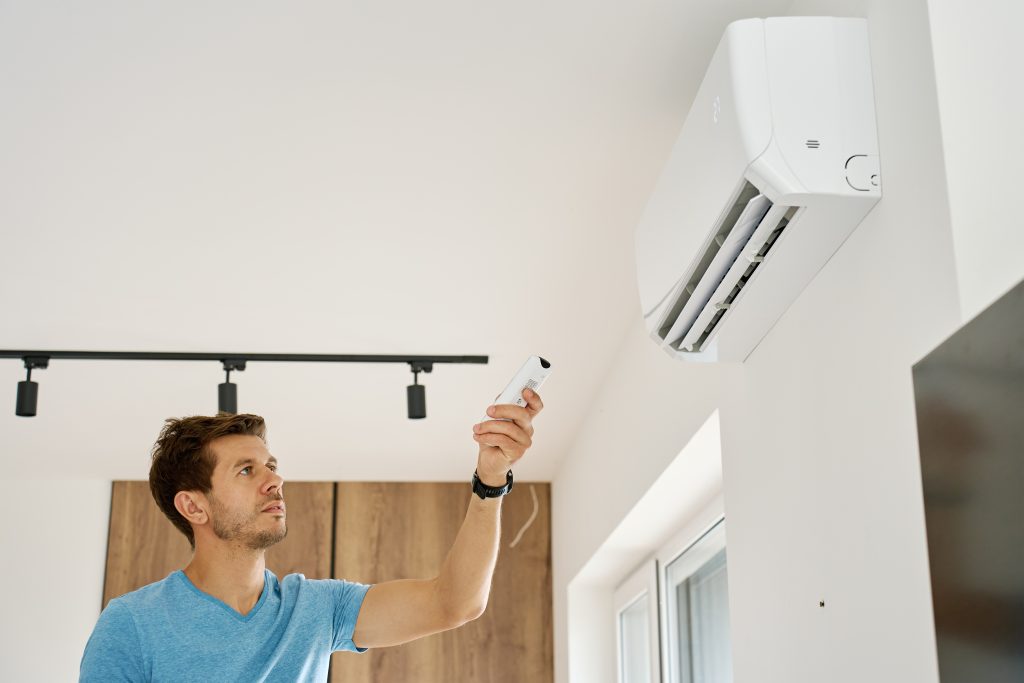
Key Takeaway: Oklahoma AC maintenance helps cooling systems handle long periods of extreme heat with less strain on compressors, capacitors, coils, and electrical components. Clean filters and coils, proper airflow, correct refrigerant charge, and regular tune-ups can improve AC efficiency, reduce breakdown risk, and help control summer energy costs. Oklahoma summers push air conditioners hard. Long stretches of high heat mean longer cooling cycles, higher energy use, and more wear on key components. Small problems also become more noticeable during peak heat. Dirty coils can restrict heat transfer, weak capacitors can make motors harder to start, and airflow or refrigerant issues can reduce cooling capacity when you need it most. This guide explains how Oklahoma AC maintenance helps protect comfort, improve AC efficiency, and reduce the risk of mid-summer breakdowns. How Extreme Heat Affects Your Air Conditioner During an Oklahoma heatwave, your home absorbs more heat through the roof, walls, windows, and attic. The air conditioner has to run longer to remove that heat, which increases electrical demand and places more stress on the compressor, fan motors, capacitors, and coils. Restricted airflow makes the problem worse. Dirty filters and evaporator coils reduce the amount of air moving through the system, while a clogged outdoor coil makes it harder to release heat. Low airflow can also contribute to evaporator coil icing and water problems once the ice melts. Summer HVAC maintenance helps catch these problems before peak temperatures arrive. During a professional seasonal HVAC maintenance visit, a technician can clean coils, verify airflow and refrigerant performance, inspect electrical connections, and make sure the condensate drain is clear. Why an Air Conditioner Tune-Up Matters An air conditioner tune-up focuses on the components that directly affect cooling performance. A technician may inspect thermostat operation, measure temperature differences, check airflow and static pressure, clean condenser coils, flush the drain line, and test capacitors, contactors, relays, and refrigerant performance. These checks help the system operate closer to its intended efficiency. Clean coils improve heat transfer, proper airflow reduces icing risk, and healthy electrical components help motors and compressors start and run normally. Homeowners can support professional maintenance by replacing filters when needed, keeping vents and return grilles clear, and trimming vegetation back from the outdoor unit. Keeping roughly two feet of open space around the condenser helps it release heat more effectively. A yearly tune-up also gives technicians a chance to catch weak capacitors, failing motors, drainage problems, and other issues before they become emergency repairs. If a failure does happen during extreme heat, emergency AC services can help restore cooling quickly. Key Facts About Oklahoma AC Maintenance and Summer Heat Long stretches of extreme heat force air conditioners to run longer, increasing electrical use and placing more stress on compressors, capacitors, fan motors, and coils. Dirty condenser coils make it harder for the system to release heat outdoors, which can reduce cooling capacity and increase compressor strain. Restricted airflow from dirty filters, blocked returns, or a dirty evaporator coil can reduce AC efficiency and contribute to icing problems. Warning signs of heat-related strain include longer run times, uneven temperatures, rising indoor humidity, unusual noises, and weaker airflow. Summer HVAC maintenance should include checking airflow, electrical components, condensate drainage, coil condition, and refrigerant performance before peak heat arrives. A professional air conditioner tune-up can identify worn parts and performance problems early, helping reduce the risk of mid-summer breakdowns. Signs Your AC Is Struggling in Extreme Heat Long Oklahoma heatwaves can expose problems that are easy to miss in milder weather. Watch for reduced cooling, uneven room temperatures, longer run times, rising indoor humidity, or new noises such as rattling, squealing, or grinding. These symptoms can point to airflow restrictions, electrical wear, refrigerant problems, or failing components. If performance changes suddenly, schedule service before the system is pushed harder. An air conditioner tune-up can identify the cause and help restore AC efficiency during peak summer conditions. Practical Ways to Boost Summer AC Efficiency Good Oklahoma AC maintenance starts with airflow and heat control. Replace dirty filters as needed, keep supply and return vents clear, and use regular air filter replacement to protect the blower and evaporator coil. Close blinds during peak sun, seal obvious air and duct leaks, and use ceiling fans so you can stay comfortable at a slightly higher thermostat setting. Outside, remove leaves, grass clippings, and vegetation around the condenser so heat can escape freely. A smart thermostat can also reduce unnecessary runtime when the home is empty. Pair these habits with annual summer HVAC maintenance to keep the system clean, properly charged, and ready for extended heat. Help Your AC System Last Longer Reducing unnecessary workload is one of the best ways to extend equipment life. Keep filters clean, vents open, the condensate drain clear, and roughly two feet of space around the outdoor unit. Proper airflow and heat transfer reduce strain on the compressor and fan motors. During an air conditioner tune-up, a technician can verify refrigerant performance, test electrical components, inspect coils, and identify parts beginning to weaken. Addressing those issues early is easier on both the equipment and the repair budget. Avoid frequent thermostat changes and watch for new noises, odors, leaks, or hot spots. Consistent Oklahoma AC maintenance helps protect AC efficiency and gives small problems less opportunity to become mid-summer breakdowns. Oklahoma AC Maintenance FAQs How often should I schedule Oklahoma AC maintenance? Most homeowners should schedule an air conditioner tune-up once a year, ideally before peak summer heat. Annual service gives a technician a chance to clean components, check airflow and refrigerant performance, inspect electrical parts, and catch developing problems early. What AC maintenance can I do myself? Homeowners can replace dirty filters, keep supply and return vents clear, remove debris around the outdoor unit, and watch for unusual noises, leaks, or cooling changes. Refrigerant, electrical, and internal system checks should be left to a qualified HVAC technician. How does summer HVAC maintenance improve AC efficiency? Summer HVAC maintenance helps improve AC efficiency by restoring


lower AC bills, energy-efficient cooling, smart thermostat
HVAC, Refrigeration

Advanced Ways to Lower AC Bills This Summer

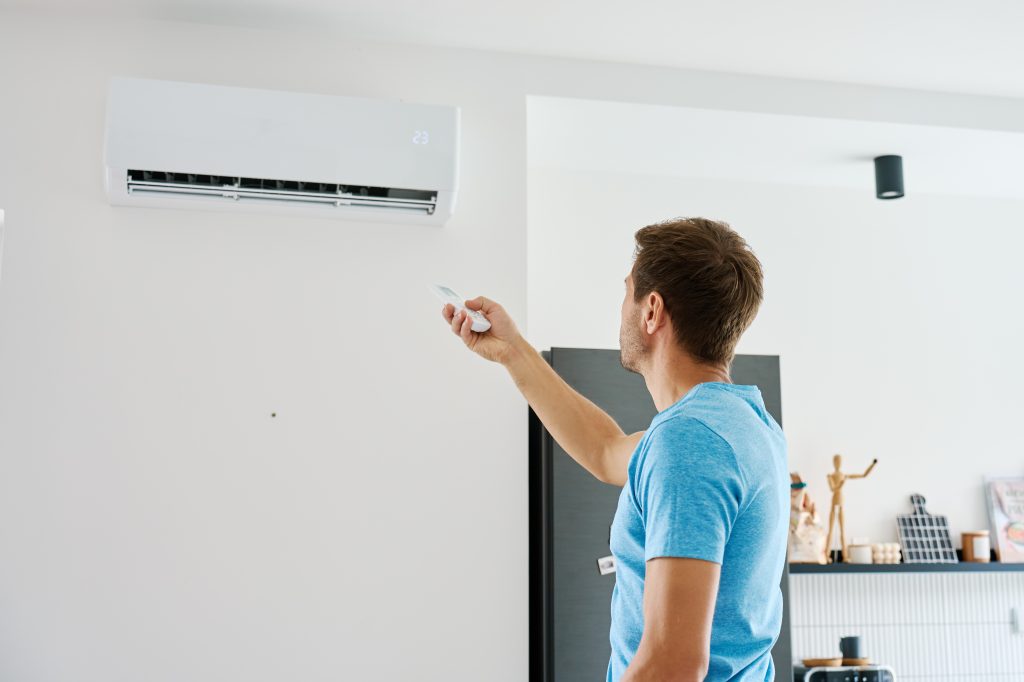
Key Takeaway: Combining several energy-efficient cooling strategies may help lower AC bills by 10–20%, depending on your home, equipment, and current energy use. Smart thermostat settings, seasonal maintenance, improved insulation, air sealing, and efficient equipment can all reduce unnecessary cooling demand during Oklahoma summers. Oklahoma homeowners looking to lower AC bills often get the best results by combining energy-efficient cooling strategies. Smarter thermostat settings, routine maintenance, improved airflow, and upgrades that reduce heat gain can all help an air conditioner use less energy without sacrificing comfort. This guide covers practical ways to improve system efficiency, reduce equipment strain, and control cooling costs during the hottest months of the year. Choose Efficient, Properly Sized Equipment Variable-speed and inverter-driven systems provide more precise cooling than equipment that operates only at full capacity. By running at lower speeds for longer periods, they can maintain more consistent temperatures, improve humidity control, and reduce frequent starts and stops. Equipment selection and sizing matter just as much as efficiency ratings. An oversized system may cool the home quickly but cycle off before removing enough humidity. A properly sized system with a strong SEER2 rating can deliver steadier comfort while helping lower AC bills during peak summer conditions. Homeowners considering replacement equipment may also benefit from learning about energy-efficient heating with heat pumps in Oklahoma. Modern heat pumps provide both heating and cooling, offering year-round efficiency from a single system. Optimize HVAC Maintenance for Peak Efficiency Seasonal maintenance helps cooling equipment operate closer to its intended efficiency. During a professional HVAC maintenance visit, a technician can clean coils, inspect electrical components, check refrigerant performance, test airflow, and identify worn parts before peak summer demand. Homeowners can support that work by checking the air filter every month during heavy cooling season. Replace it when it appears dirty or according to the manufacturer’s instructions. Furniture, rugs, and stored items should also be kept away from supply vents and return grilles so air can circulate freely. The outdoor unit needs room to release heat. Remove leaves, grass, and other debris, and keep approximately two feet of clearance around the cabinet. Bent fins, heavy coil buildup, and internal cleaning should be handled carefully to avoid damaging the equipment. Duct leaks can waste cooled air before it reaches the living space. Sealing accessible gaps with approved duct mastic and having hidden ductwork inspected can improve airflow, reduce unnecessary runtime, and help lower AC bills. A spring tune-up can uncover weak capacitors, failing fan motors, clogged drains, airflow restrictions, and other problems that increase energy use or lead to breakdowns. Once the system is operating properly, smart thermostat schedules can deliver more consistent and dependable savings. Energy-Efficient Cooling and Lower AC Bills A smart thermostat can lower AC bills by reducing unnecessary cooling when the home is empty or everyone is asleep. Dirty filters, clogged coils, weak capacitors, and restricted airflow can increase AC runtime and undermine energy-efficient cooling. Variable-speed and inverter-driven systems can run at lower output for longer periods, improving temperature control and humidity removal. Air leaks and poorly sealed ductwork allow cooled air to escape before it reaches living spaces, forcing the system to run longer. Exterior shading, closed blinds, attic insulation, and reduced heat gain can lower cooling demand during peak afternoon hours. Equipment size matters. An oversized air conditioner may cool quickly but short cycle, reducing humidity control and overall efficiency. Smart Thermostat Integration A smart thermostat supports energy-efficient cooling by adjusting temperatures around your schedule. Instead of cooling an empty home, it can raise the setpoint while you are away and restore comfort before you return. Start with a simple schedule. Keep the home near 78°F when occupied, raise the temperature several degrees when it is empty, and use ceiling fans to stay comfortable without lowering the thermostat. Geofencing, remote sensors, and humidity controls can make those adjustments more accurate. Placement and compatibility matter. A thermostat installed near direct sunlight, drafts, or heat-producing appliances may produce inaccurate readings. Professional thermostat installation and repair services can confirm that the wiring, sensors, and equipment settings work together properly. Smart scheduling can also reduce peak demand. Pre-cooling during the morning and allowing a modest temperature increase later may help lower AC bills without creating major comfort swings during Oklahoma’s hottest afternoons. Utilizing Natural Cooling Strategies Reducing heat gain can be just as important as upgrading HVAC equipment. Exterior shades, awnings, trees, and closed blinds help block direct sunlight before it heats the home. Attic insulation and air sealing also reduce the amount of outdoor heat entering conditioned spaces. Open windows only when outdoor temperatures and humidity are lower than indoor conditions. Cross-ventilation can help during mild mornings and evenings, but leaving windows open during hot, humid weather adds heat and moisture that the air conditioner must remove. Ceiling fans improve comfort by moving air across the skin, allowing many people to use a slightly higher thermostat setting. Turn them off when a room is empty, since fans cool people rather than lowering the room temperature. Reducing indoor heat also helps. Use smaller cooking appliances when practical, switch to LED lighting, and limit unnecessary electronics during peak afternoon hours. Many vacation preparation routines, such as closing blinds and adjusting the thermostat, can also lower daily cooling demand throughout the summer. Innovative Cooling Technologies Variable-speed systems, inverter-driven mini-splits, and geothermal heat pumps improve energy-efficient cooling by matching output more closely to the home’s actual demand. Instead of repeatedly starting at full capacity, they can operate at lower speeds for longer periods. Longer, lower-speed cycles often provide steadier temperatures, better humidity control, and fewer abrupt starts and stops. These benefits can be especially useful during Oklahoma summers, when cooling systems operate for extended periods. Geothermal systems transfer heat through underground loops, where temperatures remain more stable than the outdoor air. They can provide strong efficiency and quiet operation, although installation costs and property requirements make them more practical for some homes than others. Other upgrades include electronically commutated fan motors, enhanced dehumidification,

commercial refrigeration maintenance in Oklahoma, walk-in cooler maintenance, refrigeration repair, restaurant refrigeration service
Commercial, HVAC, Refrigeration

Looking for Commercial Refrigeration Maintenance in Oklahoma?

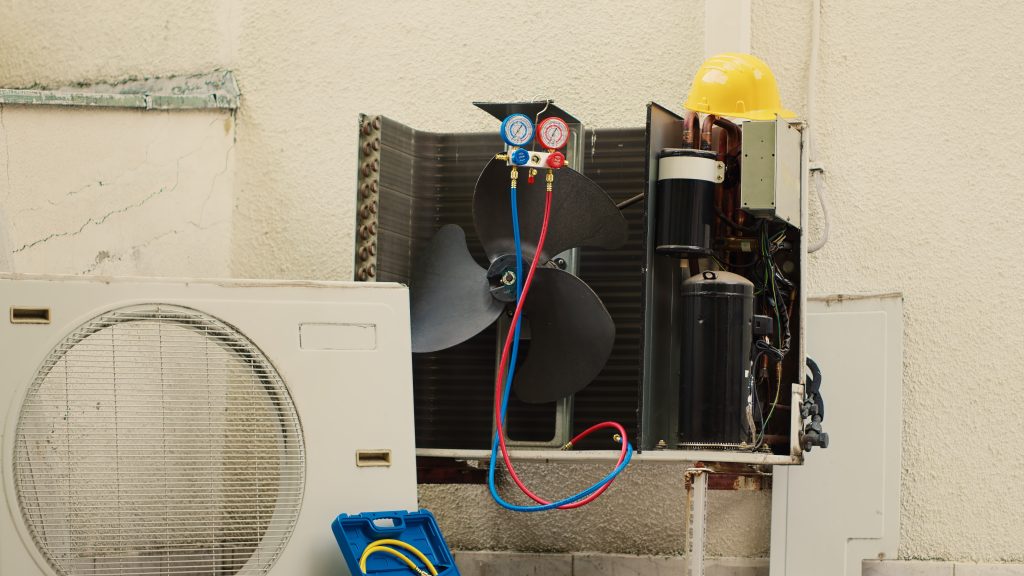
Key Takeaway: Regular commercial refrigeration maintenance helps Oklahoma businesses prevent costly breakdowns, reduce spoilage, and improve energy efficiency. Preventive service catches small problems before they become expensive repairs while helping refrigeration equipment perform reliably year-round. Commercial refrigeration maintenance in Oklahoma helps restaurants, grocery stores, medical facilities, and warehouses protect inventory and daily operations. Reliable refrigeration keeps food safe, preserves temperature-sensitive products, and reduces costly waste. Oklahoma’s high summer temperatures, dust, and seasonal weather changes put extra strain on refrigeration equipment. Routine maintenance helps identify worn components, airflow restrictions, and temperature issues before they lead to unexpected failures. This guide explains how preventive maintenance reduces breakdowns, improves efficiency, lowers repair costs, and extends equipment life. Avoid Costly Breakdowns with Regular Maintenance A refrigeration failure rarely affects just one piece of equipment. A walk-in cooler that stops cooling during a busy afternoon can lead to spoiled inventory, emergency service calls, interrupted operations, and lost sales. Regular maintenance helps prevent many of these failures before they happen. Routine walk-in cooler maintenance targets the components most likely to cause downtime. Technicians clean condenser and evaporator coils, verify box temperatures against controller settings, inspect door gaskets for air leaks, test defrost cycles, clear drain lines, check refrigerant charge, and inspect motors, belts, and electrical connections. Small repairs made during a maintenance visit are typically far less expensive than replacing a failed compressor or evaporator fan motor. Many businesses schedule monthly inspections with more comprehensive quarterly service. Tracking temperatures, pressures, and amp draw over time helps identify declining performance before it becomes an emergency refrigeration repair. For many operators, preventive refrigeration services become part of normal facility maintenance rather than an emergency expense. Enhance Efficiency and Extend Lifespan Maintenance doesn’t just prevent breakdowns. It also helps refrigeration equipment operate more efficiently. Dirty condenser coils restrict heat transfer, forcing compressors to run longer. Worn door gaskets allow cold air to escape, while restricted airflow causes evaporator coils to work harder than necessary. Even small efficiency losses add up when equipment runs around the clock. Simple maintenance tasks can produce measurable savings. Cleaning condenser coils, repairing leaking door gaskets, restoring proper refrigerant charge, and correcting airflow problems can reduce energy consumption by 5-15% in many commercial systems. Proper defrost settings also reduce unnecessary compressor runtime while helping maintain consistent product temperatures. The same maintenance practices help extend equipment life. Compressors operating within normal temperatures and pressures experience less wear, while clean electrical components and properly adjusted controls reduce unnecessary strain on the system. Larger facilities that depend on central refrigeration often pair preventive maintenance with specialized chiller services to keep every part of the cooling system operating efficiently. For most businesses, routine commercial refrigeration maintenance in Oklahoma costs far less than a major equipment failure, spoiled inventory, or an unexpected shutdown during the busiest time of the year. Important Facts About Commercial Refrigeration Maintenance for Oklahoma Businesses Dirty condenser coils reduce heat transfer, which can lower cooling capacity and force the compressor to run longer. Damaged door gaskets and faulty door closers allow warm, humid air into a cooler, increasing energy use and causing frost to build up around doors, shelves, or products. Temperature readings should be checked against an independent thermometer. A controller display may not reveal a failing sensor, poor airflow, or warmer areas inside the box. Restaurants and food-service businesses generally need time and temperature control for safety foods held at 41°F or below. Unstable cooler temperatures can create both spoilage and food safety concerns. Ice on an evaporator coil may point to an airflow problem, failed fan, defrost issue, blocked drain, or air leaking through a damaged door seal. Maintenance records that track box temperatures, refrigerant pressures, compressor amp draw, and recurring repairs can reveal declining performance before the system fails. Maintain Food Safety Standards Commercial refrigeration maintenance in Oklahoma helps restaurants, grocery stores, and other food-service businesses maintain safe storage temperatures. Regular walk-in cooler maintenance reduces temperature fluctuations that can shorten product shelf life, increase spoilage, and create food safety concerns. Consistent temperatures depend on more than thermostat settings. Technicians verify sensor accuracy, inspect door gaskets, clear drain lines, test defrost cycles, and confirm evaporator fans are moving air evenly throughout the cooler. These checks help eliminate warm spots, reduce ice buildup, and maintain consistent product temperatures. Routine inspections also make health inspections easier. A scheduled restaurant refrigeration service plan includes verifying operating temperatures, calibrating thermometers, and identifying worn components before they fail. When refrigeration repair is needed, addressing the problem quickly helps protect inventory and avoid unnecessary downtime. Sustainability and Energy Efficiency Commercial refrigeration runs around the clock, making efficiency an important operating cost. In many grocery stores and food-service operations, refrigeration accounts for one of the largest sources of electricity use. Clean condenser coils, properly sealed doors, and accurate refrigerant charge reduce compressor runtime and help equipment recover temperature more quickly after door openings. Many of the same principles behind energy-efficient HVAC systems apply to refrigeration. Routine coil cleaning, unrestricted airflow, proper fan operation, and correctly timed defrost cycles improve heat transfer while reducing unnecessary energy consumption. Even small efficiency gains become significant on equipment that operates 24 hours a day. Sustainability also means repairing equipment before minor problems become major failures. Early leak detection, electrical inspections, and targeted refrigeration repair reduce refrigerant losses, extend equipment life, and help businesses avoid replacing expensive components before necessary. Commercial Refrigeration Maintenance in Oklahoma FAQs How often should commercial refrigeration systems be serviced? Most businesses should schedule commercial refrigeration maintenance at least twice a year. High-demand operations such as restaurants, grocery stores, and convenience stores often benefit from quarterly inspections to keep equipment operating efficiently and reduce the risk of unexpected breakdowns. What are the signs that refrigeration repair is needed? Warm product temperatures, excessive frost buildup, unusual noises, water leaks, frequent compressor cycling, or rising energy bills can all indicate the need for refrigeration repair. Addressing these issues early often prevents more extensive equipment damage. What does walk-in cooler maintenance include? Walk-in

energy-efficient cooling, summer AC tips, programmable thermostat usage
HVAC, Refrigeration

Smart Cooling Solutions: Energy-Efficient Tips for Oklahoma Summers

Key Takeaway: Energy-efficient cooling starts with smart temperature control, steady airflow, and reduced heat gain. Using a programmable thermostat, ceiling fans, window shading, and regular HVAC maintenance can help lower AC runtime, reduce energy use, and keep your home more comfortable through Oklahoma summers. Energy-efficient cooling is especially important during Oklahoma summers, when long hot days can put serious strain on your AC system. Simple changes like adjusting thermostat settings, improving airflow, and reducing heat gain can help your home stay comfortable without forcing the system to work harder than necessary. The best summer AC tips are often the most practical. Smart thermostat settings, ceiling fan use, clean filters, shaded windows, and routine maintenance all work together to reduce wasted energy. These habits can help lower utility bills while supporting longer equipment life. This guide covers simple ways to improve cooling efficiency at home, including programmable thermostat usage, ceiling fan strategies, and regular HVAC care. Many of the same principles behind efficient heat pump performance also apply in summer: steady settings, reduced waste, and equipment that is properly maintained. Smart Thermostats for Energy-Efficient Cooling Smart thermostats are one of the easiest ways to support energy-efficient cooling. They allow homeowners to adjust temperatures based on daily schedules, occupancy, and comfort needs instead of running the AC at the same setting all day. Programmable thermostat usage can help reduce unnecessary cooling while still keeping the home comfortable. Many homeowners set higher temperatures while away and schedule cooling before they return. This approach helps reduce runtime without sacrificing comfort during the hours that matter most. Thermostat placement and setup also matter. A thermostat near sunlight, drafts, or heat-producing appliances may misread the room and trigger unnecessary cooling. Proper thermostat installation and repair helps ensure accurate readings, smoother operation, and better overall AC performance. Using Ceiling Fans to Improve Summer Comfort Ceiling fans are one of the simplest summer AC tips because they help people feel cooler without lowering the actual room temperature. Moving air across the skin creates a cooling effect, which may allow homeowners to raise the thermostat slightly while staying comfortable. In summer, ceiling fans should usually rotate counterclockwise to push air downward. Use fans in occupied rooms and turn them off when leaving, since fans cool people rather than empty spaces. Pairing fans with smart thermostat settings can reduce AC demand during peak heat. Good airflow also depends on the HVAC system itself. Clean filters, open vents, and reliable air handler services help keep conditioned air moving properly. When fans and AC airflow work together, your home can feel more comfortable while using less energy. Energy-Efficient Cooling: Key Facts Thermostat settings matter: Programmable thermostat usage can reduce unnecessary AC runtime during work hours, overnight, and while you’re away. Ceiling fans support comfort: Fans help people feel cooler, which may allow you to raise the thermostat without sacrificing comfort. Shade reduces heat gain: Blinds, curtains, awnings, and trees can help limit the heat entering your home during peak sun. Airflow affects efficiency: Clean filters, open vents, and maintained equipment help your AC move cooled air more effectively. Small habits add up: Simple summer AC tips like pre-cooling, closing blinds, and scheduling tune-ups can help lower energy waste. Home Shading Techniques for Cooling Efficiency Energy-efficient cooling starts with blocking heat before it enters your home. During Oklahoma summers, direct sun can quickly warm rooms and force your AC to run longer. Blinds, reflective shades, lined curtains, awnings, and shade sails can all help reduce heat gain and keep rooms more comfortable. Exterior shade is especially helpful because it stops sunlight before it reaches the glass. Pergolas, adjustable awnings, and well-placed trees can help cool windows and walls during peak sun. When shading reduces indoor heat, you may be able to raise the thermostat slightly without losing comfort. Pair shading with smart programmable thermostat usage so your home does less cooling during the hottest parts of the day. Together, shade, airflow, and better temperature control support energy-efficient cooling with less strain on your AC system. Strategic Cooling Tips for Lower Energy Use For energy-efficient cooling, start with a practical thermostat setting. Around 78°F is a common target when you’re home and awake, with the temperature set a few degrees higher when you’re away. Use programmable schedules: Adjust temperatures around work hours, sleep, and travel. Pre-cool earlier: Cool the home before peak afternoon heat, then use fans and shade to help hold comfort. Limit indoor heat: Avoid long oven use, large laundry loads, and heat-producing appliances during the hottest part of the day. Protect airflow: Keep vents open, replace filters regularly, and clear debris around the outdoor unit. Schedule seasonal service: Professional seasonal HVAC maintenance helps keep airflow, refrigerant levels, and electrical components working properly. These summer AC tips help reduce unnecessary runtime, especially during Oklahoma’s hottest afternoons. When your thermostat, airflow, and maintenance habits work together, your AC can cool more efficiently with less wasted energy. Preparing Your Home for a Cool Summer Energy-efficient cooling works best when your home is ready before the first major heat wave. Schedule an HVAC check early, replace dirty filters, and make sure supply and return vents are clear. Good airflow helps your system keep up when summer demand increases. Seal gaps around doors and windows, replace worn weatherstripping, and check attic insulation if certain rooms heat up quickly. Light-colored curtains, exterior shade, and ceiling fans spinning counterclockwise can also help reduce heat gain and improve comfort from room to room. A simple pre-summer checklist can keep everything on track. Clear the condensate drain, trim vegetation around the outdoor unit, test thermostat schedules, and confirm that windows and doors close securely. These steps fit naturally alongside other seasonal tasks, including preparing your home before vacation. With a few steady habits, your home can stay cooler, your AC can run more efficiently, and your energy bills can stay easier to manage through an Oklahoma summer. Energy-Efficient Cooling FAQs What thermostat setting is best for energy-efficient cooling? A

ductless AC installation, mini-split maintenance, ductless system benefits
Air Conditioning, HVAC, Refrigeration

How Ductless AC Installation Improves Comfort and Efficiency

Key Takeaway: Ductless mini-split systems provide efficient, zoned comfort with minimal installation impact and lower operating costs compared to adding ductwork. Regular mini-split maintenance, including filter cleaning and annual professional service, helps preserve efficiency, quiet operation, and long equipment life. Ductless AC installation provides efficient heating and cooling with quiet operation and room-by-room temperature control. You can cool the spaces you use most while avoiding wasted energy in unused areas. Ductless mini-split systems work well in homes, offices, garages, additions, and other spaces where traditional ductwork may not be practical. Whether you need a single indoor unit or a multi-zone setup, these systems offer flexible comfort and energy-efficient performance. This guide explains how ductless systems work, what installation involves, and how proper maintenance helps protect long-term performance. How Ductless Mini-Split Systems Work A ductless mini-split system uses two main components. The indoor air handler mounts on a wall or ceiling and moves air across a coil. The outdoor unit houses the compressor and fan. A small line set connects the units and contains refrigerant lines, a condensate drain, and control wiring. Refrigerant carries heat between the two units to provide heating and cooling. Modern inverter technology allows the compressor to adjust its speed based on demand. The system ramps up when more heating or cooling is needed and slows down once the desired temperature is reached. This steady operation improves efficiency, reduces temperature swings, and helps keep noise levels low. Many homeowners choose ductless systems because installation requires only a small wall opening rather than extensive ductwork. One of the biggest ductless system benefits is zoning. Each indoor unit operates independently, allowing different rooms to maintain different temperatures. You can cool a home office during the day, keep bedrooms comfortable at night, and avoid conditioning unused spaces. Additional ductless system benefits include improved energy efficiency, reduced duct losses, and better comfort control. Homes without existing ductwork often see the greatest value. Older houses, sunrooms, garages, additions, and small commercial spaces can all benefit from a flexible system that fits tight spaces and helps eliminate hot and cold spots. Installation Requirements and Process Proper ductless AC installation starts with an accurate load calculation. A technician evaluates room size, insulation, windows, sun exposure, and air leakage to determine the correct system capacity and indoor unit configuration. Proper sizing helps support efficiency, comfort, and equipment longevity. The installer selects a suitable location for the indoor unit and verifies proper airflow clearances. A small wall opening allows the line set, drain, and wiring to connect the indoor and outdoor equipment. Outside, the condenser is mounted on a pad or bracket with adequate clearance for airflow and service access. Electrical installation is equally important. The technician installs a dedicated circuit, verifies proper grounding, pressure tests the refrigerant lines, and pulls a vacuum before startup. These steps help ensure safe, reliable operation and protect system performance. This process helps create dependable ductless AC systems that meet code requirements and manufacturer specifications. A professional installation also helps prevent common issues such as drainage problems, refrigerant leaks, poor airflow, and improper sizing. Once installation is complete, the technician tests system operation, verifies performance, and reviews basic mini-split maintenance requirements. This final commissioning process helps ensure efficient, reliable comfort from day one. The Ultimate Guide to Ductless Mini-Split Air Conditioning: Key Facts 1. Ductless mini-split systems provide energy-efficient heating and cooling with room-by-room temperature control. 2. Ductless AC installation requires minimal disruption because no extensive ductwork is needed. 3. Proper system sizing and professional installation help maximize performance and efficiency. 4. Routine mini-split maintenance helps protect comfort, efficiency, and equipment life. 5. Ductless system benefits can include lower energy use and reduced heating and cooling costs. 6. Ductless systems work well in homes, additions, garages, offices, and other hard-to-condition spaces. Maintenance Tips for Longevity Ductless AC installation provides efficient comfort, but regular mini-split maintenance helps keep the system performing at its best. To maintain key ductless system benefits like energy efficiency, quiet operation, and reliable comfort, follow a consistent maintenance routine. Small maintenance tasks can help prevent larger problems and costly repairs. Start with the air filters. Remove and rinse them with lukewarm water every month during periods of heavy use. Homes with pets, dust, or higher indoor air quality concerns may require more frequent cleaning. Wipe the indoor unit cabinet and louvers with a soft cloth to help maintain proper airflow. Always turn the system off before performing any cleaning. The outdoor unit also requires attention. Keep at least two feet of clearance around the condenser and remove leaves, grass clippings, and other debris from the coil. Check that the condensate drain flows properly to help prevent odors, water damage, and drainage issues. If you plan to be away for an extended period, consider these tips for preparing your home before vacation to help protect your HVAC system. Schedule professional maintenance at least once a year. A technician can clean coils, inspect electrical components, check refrigerant levels, and verify safe operation. Annual service helps maintain efficiency, reduce wear on critical components, and extend system life. With proper care, a ductless system can provide reliable comfort for many years. Cost-Effectiveness of Ductless Systems Ductless AC installation can be a cost-effective solution, especially in older homes, additions, and spaces without existing ductwork. Because extensive duct installation is not required, projects are often completed with less disruption, less labor, and fewer structural modifications. Long-term operating costs can also be lower. Zoning allows each indoor unit to condition only the spaces being used, helping reduce wasted energy. Inverter-driven compressors adjust output based on demand, improving efficiency while maintaining more consistent temperatures. These ductless system benefits often translate into improved comfort and lower energy consumption. Many homeowners also take advantage of HVAC financing options for upgrades and replacements to make installation more manageable. Depending on the system and location, utility rebates and manufacturer promotions may also be available. When combined with lower energy use and reduced duct-related losses, ductless systems can offer

improve indoor air quality, HVAC air purifier, duct cleaning benefits
HVAC, Refrigeration

How to Improve Indoor Air Quality in Oklahoma

Key Takeaway: The most effective ways to improve indoor air quality are using strong HVAC filtration, adding an HVAC air purifier when appropriate, and addressing buildup through periodic duct cleaning and routine HVAC maintenance. Combine these with proper humidity control, timely filter replacement, and good indoor habits to reduce allergens, airborne particles, odors, and other common indoor air quality concerns throughout the year. Learning how to improve indoor air quality in Oklahoma can make a noticeable difference in comfort, health, and HVAC performance. Clean indoor air may help reduce allergy symptoms, limit dust buildup, and create a more comfortable living environment. Poor indoor air quality, on the other hand, can contribute to respiratory irritation, headaches, and ongoing comfort concerns. Three solutions typically have the greatest impact: quality HVAC filtration, an HVAC air purifier, and periodic duct cleaning. Filters capture dust and dander before they circulate through the home. Air purifiers target smaller particles and odors that standard filters may miss. Duct cleaning helps remove accumulated debris that can affect airflow and system performance. Together, these improvements help your HVAC system move cleaner air more efficiently. If you want a direct path to cleaner indoor air, consider professional indoor air quality services in Oklahoma that include filtration upgrades, duct care, and airflow improvements. The sections below explain how filters, HVAC air purifiers, and duct cleaning benefits work together to support a healthier indoor environment. How HVAC Filters Help Improve Indoor Air Quality Your HVAC filter serves as the first line of defense against airborne contaminants. Quality filters capture dust, lint, pollen, pet dander, and other particles before they circulate throughout the home. In Oklahoma, seasonal pollen and windy conditions can increase indoor particle levels, making effective filtration especially important. Filter ratings help determine how effectively a filter captures smaller particles. While higher-rated filters generally provide better filtration, it is important to choose a filter your HVAC system can support without restricting airflow. Regular air filter replacement helps maintain both indoor air quality and HVAC efficiency. Clean filters also help reduce strain on HVAC equipment. Many homeowners notice less dust accumulation, improved airflow, and more consistent comfort after upgrading filtration and replacing filters on schedule. For households dealing with allergies, asthma, smoke, or seasonal air quality concerns, proper filtration can make a meaningful difference. Simple habits can further support filtration performance. Vacuuming regularly, washing bedding, reducing indoor dust sources, and sealing air leaks all help lower the amount of airborne debris your HVAC system must handle. How an HVAC Air Purifier Supports Cleaner Indoor Air Even strong filters cannot capture every airborne contaminant. An HVAC air purifier helps remove smaller particles, odors, and pollutants that may pass through standard filtration systems. These systems are designed to complement HVAC filtration rather than replace it. Many HVAC air purifier systems use HEPA filtration, activated carbon media, UV-C technology, or a combination of these methods. HEPA filtration targets fine particles such as pollen, smoke, and dust. Activated carbon helps reduce odors from cooking, pets, and household products. UV-C technology may help address certain biological contaminants within the HVAC system. An HVAC air purifier can be especially beneficial for homes with allergy sufferers, asthma concerns, pets, or elevated outdoor air quality challenges. During periods of heavy pollen or wildfire smoke, air purification systems can help maintain cleaner indoor air and improve overall comfort. Homeowners can choose between whole-home systems that integrate directly with the HVAC system or portable units designed for individual rooms. The right solution depends on the home’s size, indoor air quality concerns, and comfort goals. When combined with proper filtration and routine HVAC maintenance, air purification can play an important role in improving indoor air quality year-round. Important Facts About How to Improve Indoor Air Quality Homeowners looking to improve indoor air quality often see the best results from a combination of filtration, purification, duct maintenance, and routine HVAC service. Here are some key facts to know: Quality HVAC filters help capture dust, pollen, pet dander, and other airborne particles before they circulate through the home. Regular filter replacement is essential for maintaining performance. An HVAC air purifier can help reduce fine particles, odors, and other contaminants that standard filters may not fully capture. One of the primary duct cleaning benefits is the removal of accumulated dust and debris that can affect airflow and indoor comfort. Routine HVAC maintenance helps support proper airflow, improve efficiency, and reduce the risk of air quality concerns caused by neglected equipment. Humidity control plays an important role in indoor air quality. Excess moisture can contribute to mold growth, while overly dry air may cause irritation and discomfort. Simple habits such as reducing indoor dust sources, keeping filters clean, and improving ventilation can support healthier indoor air throughout the year. Duct Cleaning Benefits: Cleaner Air Ducts, Healthier Homes One of the most overlooked ways to improve indoor air quality is addressing what is hiding inside your ductwork. Dust, pollen, pet dander, and other debris can accumulate over time and circulate throughout the home whenever the HVAC system runs. While filtration and air purification help capture airborne particles, keeping ducts clean supports the entire system. Among the most important duct cleaning benefits are improved airflow, reduced dust circulation, and a cleaner indoor environment. Removing buildup allows air to move more freely through the system, helping maintain consistent temperatures and reducing unnecessary strain on HVAC equipment. Addressing moisture concerns during cleaning can also help reduce conditions that support mold growth. Duct cleaning is not a cure-all, nor is it something every home needs annually. However, visible dust from vents, musty odors, recent renovations, or signs of pests may indicate it is time for an inspection. When combined with proper filtration and an HVAC air purifier, clean ductwork can play an important role in improving indoor air quality throughout the home. Importance of Regular Maintenance Routine HVAC maintenance helps support cleaner indoor air while reducing the likelihood of unexpected system issues. A properly maintained system filters air more effectively, maintains

emergency HVAC service, AC emergency repair, AC not working
HVAC

Emergency HVAC Services: What You Need to Know

Key Takeaway: If your AC is not working, start with quick checks—thermostat, filter, and breakers. If that doesn’t restore cooling, shut the system off and call emergency HVAC services to avoid further damage. When your AC is not working, it can quickly turn from an inconvenience into a serious comfort issue—especially during peak summer heat. Having a simple plan in place helps you stay calm, take the right steps, and know when it’s time to call for emergency HVAC services. This guide walks through a few quick checks most homeowners can safely handle. In some cases, these steps can restore cooling. In others, they help confirm when AC emergency repair is needed so you don’t waste time or risk further damage. Even with consistent seasonal HVAC maintenance, unexpected breakdowns can still happen. Knowing how to respond makes all the difference. Immediate Troubleshooting Steps Start with the thermostat. Make sure it’s set to Cool and lower than the current room temperature. If the screen is dim or unresponsive, replace the batteries. If needed, turn the system off for about a minute, then restart it and give it a few minutes to respond. Next, check the air filter. A clogged filter can restrict airflow enough to shut the system down. If it looks dirty or blocked, replace it. Staying consistent with regular air filter replacement helps prevent these types of issues. Then confirm power to the system. Check your breaker panel and reset anything that may have tripped. Make sure the switch near your indoor unit is on. If your system has a drain safety switch, standing water in the pan can stop operation—clearing the drain may allow the system to restart. As the system runs, pay attention to what it’s doing. Weak airflow, warm air, or short cycling often point to a deeper issue. If those signs continue after your checks, it’s best to stop there and move to the next step. The Need for Professional Emergency HVAC Services If your AC is still blowing warm air after basic troubleshooting, it’s time to call for AC emergency repair. This can indicate issues with refrigerant, the compressor, or electrical components that require professional service. Unusual sounds like grinding, buzzing, or screeching are also warning signs. Running the system while these noises are present can lead to more extensive damage. Leaks should always be taken seriously. Water around the unit may point to a blocked drain or frozen coil, while chemical or oily residue could indicate a refrigerant issue. In either case, shut the system down and call for emergency HVAC services. If you notice frequent breaker trips, burning smells, or the system shutting off unexpectedly, don’t continue troubleshooting. Turn the system off and wait for a technician. When you call, sharing what you’ve observed—and the steps you’ve already taken—can help speed up the diagnosis. If repair costs are a concern, many homeowners explore HVAC financing options to handle urgent repairs without delay. Key Facts About Emergency HVAC Services Quick checks like thermostat settings, air filters, and breakers can resolve minor issues when your AC is not working. Warm air, strange noises, or visible leaks are strong signs that AC emergency repair is needed. Regular seasonal maintenance helps reduce the likelihood of sudden system failures, but emergencies can still happen. Planning ahead for unexpected repairs—including exploring HVAC financing options—can help you act quickly when issues arise. Knowing when to stop troubleshooting and call emergency HVAC services can prevent further damage and reduce repair costs. Preventive Maintenance for Long-Term AC Health Emergency HVAC services are important when systems fail unexpectedly, but preventive maintenance remains the best way to reduce the risk of an AC not working during extreme heat. Regular service helps keep equipment efficient, reliable, and better prepared for heavy seasonal demand. During a maintenance visit, technicians inspect refrigerant levels, clear drain lines, tighten electrical connections, and clean coils that collect dust and debris. Airflow and thermostat performance are also checked to help the system run consistently. Many homeowners find that seasonal HVAC maintenance is your best investment when it comes to reducing breakdowns and improving long-term performance. Routine maintenance also helps identify smaller problems before they turn into major repairs. Issues like clogged drains, weak capacitors, or restricted airflow can often be corrected early before they lead to AC emergency repair or system shutdowns. Simple habits between service visits also make a difference. Replace filters regularly, keep the outdoor unit clear of debris, and pay attention to changes in airflow or cooling performance. These steps help reduce wear on the system and lower the chances of your AC not working when you need it most. Importance of HVAC Financing Options Even well-maintained systems can fail without warning, and emergency HVAC services sometimes lead to unexpected repair or replacement costs. When an AC not working turns into a major repair or full system replacement, financing options can help homeowners move forward without delaying service. Many families explore HVAC financing options for upgrades and replacements when older equipment becomes unreliable or inefficient. Financing can help cover the cost of new systems, ductwork updates, thermostat upgrades, or indoor air quality improvements that support long-term comfort. Choosing the right financing plan starts with understanding the terms. Look for clear payment structures, straightforward approval processes, and flexibility that fits your budget. In some cases, financing can also be combined with rebates or manufacturer incentives to help reduce overall costs. Investing in a more efficient system may also lower monthly energy use, helping offset part of the payment over time. That means when the next heatwave arrives, you are less likely to face another AC emergency repair—or another day with your AC not working. Emergency HVAC Services FAQs When should I call emergency HVAC services? You should call emergency HVAC services if your AC is not working during extreme heat, if the system is blowing warm air, or if you notice leaks, burning smells, or unusual noises. What should I check before calling for AC emergency repair?

water heater repair vs replacement, water heater troubleshooting, water heater replacement cost
Commercial, HVAC, Refrigeration

Water Heater Repair vs Replacement: How to Choose the Right Option

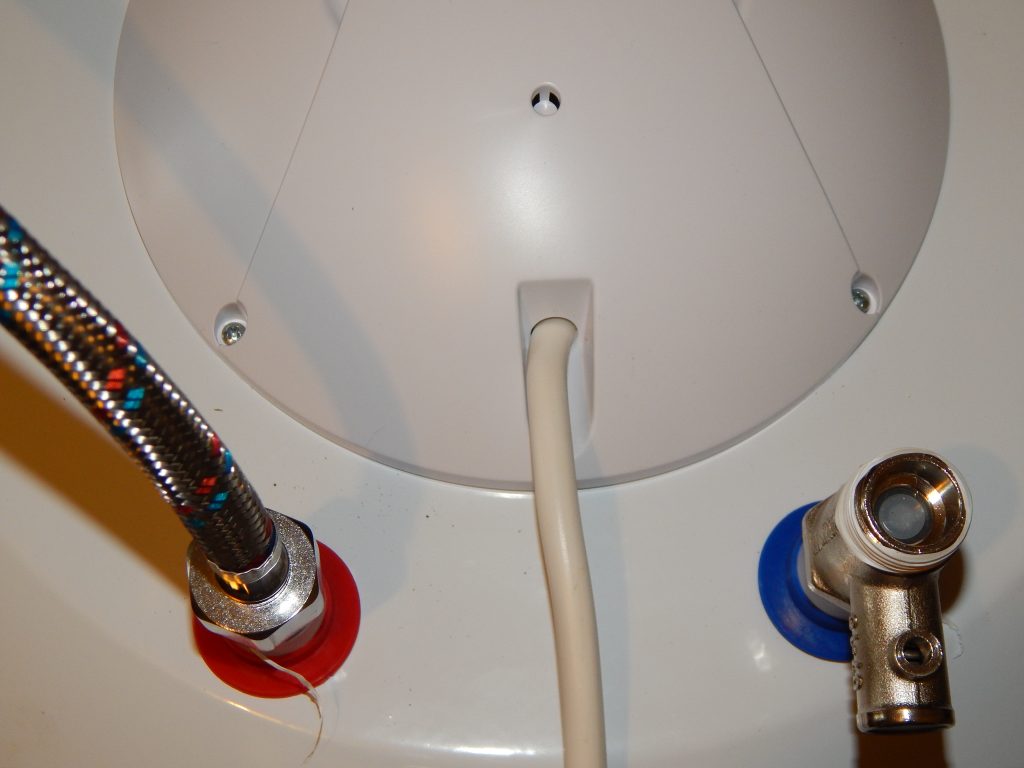
Key Takeaway: Choosing between water heater repair vs replacement depends on age, repair cost, leaks, corrosion, and efficiency. Repair often makes sense for newer units with isolated issues, while replacement is usually smarter for older systems with recurring problems or major damage. A professional assessment can compare repair costs, expected lifespan, and long-term energy savings. Water heater repair vs replacement is a common decision when hot water becomes unreliable. Lukewarm water, strange noises, leaks, or rising utility bills can all point to a system that needs attention. The right choice depends on the unit’s age, repair history, safety concerns, and long-term operating cost. A repair may restore reliable hot water if the issue is minor and the unit still has useful life left. Replacement may make more sense when the system is older, inefficient, leaking, or needing frequent service. Understanding the warning signs helps homeowners avoid short-term fixes that cost more over time. This guide explains what to check first, when repair makes sense, and when replacement may be the better investment. Signs Your Water Heater Needs Attention Water heater troubleshooting starts with the symptoms. Leaks, rusty water, rumbling sounds, and inconsistent temperatures are all signs the system may need service. Catching these issues early can help prevent larger repairs or water damage. Leaks should be addressed quickly. Water around the base of the tank can damage flooring, walls, and surrounding materials. Rust or corrosion may also point to internal wear, especially on older tank systems. Noise is another common warning sign. Popping or rumbling often means sediment has hardened inside the tank. Sediment buildup reduces heat transfer, increases energy use, and can shorten equipment life. Temperature problems can come from several causes. A faulty thermostat, worn heating element, failing dip tube, or sediment buildup can all affect hot water performance. Homeowners looking into water heater replacement in OKC should start by checking whether maintenance or repair can restore performance before replacing the unit. Factors That Guide Repair or Replacement Age is one of the biggest factors in water heater repair vs replacement. Traditional tank water heaters often last 8 to 12 years, while tankless models can last longer with proper care. If the unit is near the end of its expected lifespan and showing signs of wear, replacement may be the better choice. Repair cost also matters. If a repair costs close to half the price of a new system, replacement is often more practical, especially on an older unit. Frequent service calls can also make repair less cost-effective over time. Efficiency should be part of the decision. Older units often use more energy to deliver the same amount of hot water. A newer system may provide better insulation, steadier temperatures, and lower monthly operating costs. A professional inspection can help compare repair cost, system condition, and water heater replacement cost. Technicians who handle heating repair in Oklahoma can inspect components, check safety concerns, and explain whether repair or replacement makes more sense for the home. Important Facts About Water Heater Repair vs Replacement Understanding water heater repair vs replacement comes down to cost, age, performance, and long-term efficiency. These key points help guide the decision. Common problems affect cost and comfort. Leaks, inconsistent temperature, and reduced hot water supply often increase energy use and signal the need for water heater troubleshooting. Age plays a major role. Tank systems typically last 8–12 years. Older units with recurring issues are usually better candidates for replacement. Repair cost vs replacement cost matters. If repairs approach half the price of a new unit, replacement is often the more practical option. Efficiency impacts long-term savings. Newer systems reduce energy use and can lower monthly utility bills over time. Recurring issues point toward replacement. Frequent service calls or ongoing performance problems often indicate the system is nearing the end of its lifespan. Professional evaluation helps clarify the decision. A technician can assess condition, estimate water heater replacement cost, and recommend the most cost-effective path. Balancing repair cost, system age, and performance helps homeowners choose between a short-term fix and a long-term upgrade. Efficiency and Cost Savings When comparing water heater repair vs replacement, efficiency often becomes the deciding factor. Water heater troubleshooting can resolve isolated issues, but it cannot correct ongoing energy waste in an aging system. Older units that run longer or struggle to recover after use often increase monthly utility costs. Newer systems improve efficiency in measurable ways. Heat pump water heaters use significantly less electricity than standard electric tanks by transferring heat instead of generating it. High-efficiency gas models with condensing technology also reduce fuel use compared to older units. Over time, these gains can help offset the water heater replacement cost, especially in homes with higher hot water demand. These improvements are similar to what homeowners see with energy-efficient heating with heat pumps in Oklahoma, where better system design reduces waste. Features like improved insulation, higher Uniform Energy Factor ratings, and programmable controls support more consistent performance. If energy costs continue to rise despite maintenance, replacement often provides better long-term value than continued repairs. Professional Guidance in Decision-Making Water heater repair vs replacement becomes clearer with a professional evaluation. A technician can measure efficiency, assess recovery time, and determine whether repairs will provide lasting results or only short-term relief. Cost comparisons are also important. Estimating current repair costs alongside likely future issues allows homeowners to compare those expenses against the water heater replacement cost and expected energy savings. This helps determine whether a repair meaningfully extends system life or simply delays replacement. When replacement is the better option, many homeowners consider HVAC financing options for upgrades and replacements to manage upfront cost. Spreading payments over time while improving efficiency can make the transition more practical and predictable. Planning for a Water Heater Upgrade FAQ Before moving forward with water heater repair vs replacement, it helps to plan the upgrade. Start with key factors such as system size, fuel type, location, and efficiency goals. Matching these to your home’s electrical,

spring HVAC maintenance checklist, AC spring tune-up, AC maintenance tips
HVAC, Refrigeration

Spring HVAC Maintenance Checklist: AC Prep Before Summer

Key Takeaway: Start your spring HVAC maintenance checklist by replacing air filters, clearing debris from the outdoor unit, and rinsing coils to restore airflow. Test the thermostat, check ducts, and schedule a professional AC spring tune-up to ensure safe, efficient operation. A spring HVAC maintenance checklist helps your system handle rising temperatures without extra strain. Spring brings dust, pollen, and debris that can reduce airflow and efficiency. Taking a few simple steps now helps your AC run smoothly and keeps energy use under control when summer arrives. This checklist focuses on the essentials: filter changes, coil cleaning, airflow checks, and thermostat testing. These AC maintenance tips improve performance, reduce wear, and help prevent unexpected breakdowns during peak cooling season. Why Spring Maintenance Matters Spring maintenance improves efficiency and helps prevent costly repairs. Dust buildup, clogged filters, and dirty coils force your system to work harder while delivering less cooling. A clean system restores airflow and heat transfer, allowing your AC to cool faster and run more efficiently. Routine service also helps catch small issues early. Worn components, electrical problems, or low refrigerant levels can be addressed before they lead to breakdowns. Many homeowners rely on seasonal HVAC maintenance in Oklahoma to maintain performance and avoid mid-summer service calls. Comfort improves as well. Better airflow helps reduce humidity, eliminate hot spots, and maintain consistent temperatures throughout the home. With proper maintenance, your system operates more reliably while improving indoor air quality. Filter Changes and Cleaning Start with the air filter. A clean filter supports airflow and keeps dust out of your system. Dirty filters restrict air movement, increase energy use, and reduce cooling performance. Most homes benefit from replacement every one to three months, depending on usage and air quality. Next, check the outdoor unit. Turn off power before clearing debris such as leaves, grass, and dirt. Maintain at least two feet of clearance around the condenser and trim back any vegetation. Rinse the coils gently to remove buildup without damaging the fins. Inside the home, make sure vents and returns are unobstructed. Move furniture away from registers and clean dust from return grilles. These simple AC maintenance tips improve airflow, reduce system strain, and support consistent cooling throughout your home. Spring HVAC Maintenance: Key Facts Spring prep matters: A spring HVAC maintenance checklist helps your system handle peak summer demand. Efficiency improves: Clean filters and coils reduce energy use and improve cooling performance. Small tasks prevent breakdowns: Clearing debris and replacing filters helps avoid mid-season failures. Thermostat accuracy counts: Testing and calibration help maintain consistent temperatures. System checks save money: Duct sealing and refrigerant checks support long-term efficiency. Thermostat Testing and Calibration Your spring HVAC maintenance checklist should include checking the thermostat. Accurate readings help maintain comfort without overworking the AC. Compare the room temperature to the thermostat using a digital thermometer. If they don’t match, the system may cycle too often or run longer than needed, increasing wear and energy use. As part of an AC spring tune-up, review placement and settings. Thermostats near sunlight, kitchens, or drafts can misread temperatures. Keep the unit clean, level, and away from heat sources. Adjust schedules so cooling starts just before you need it, not hours early. If issues persist, consider calibration or an upgrade. Smart thermostats or updated controls can improve accuracy and efficiency. For wiring or sensor problems, thermostat installation and repair can restore proper control and reduce unnecessary system cycling. Ensuring System Efficiency A complete spring HVAC maintenance checklist should also focus on airflow and system performance. Small issues in ducts, refrigerant levels, or components can reduce efficiency and increase strain on the system. Check ductwork: Look for gaps, loose connections, or crushed sections that restrict airflow. Seal air leaks: Use mastic or foil tape to prevent conditioned air loss. Confirm refrigerant levels: Low charge reduces cooling and can damage the system. Clear the condensate drain: Prevent clogs that can cause water damage or shutdowns. Inspect electrical components: Tight connections help maintain consistent performance. Proper airflow and system balance follow the same principles used in energy-efficient heat pump systems, where small adjustments reduce energy use and improve performance. Prepping for Summer Cooling Use your spring HVAC maintenance checklist to prepare your system before peak heat. Run the AC on a mild day and check for consistent cooling across all rooms. Listen for unusual sounds and confirm warm air is being released outside. Simple AC maintenance tips can also reduce heat gain. Close blinds during the day, seal gaps around doors, and adjust ceiling fans to improve airflow. Updating schedules during an AC spring tune-up helps avoid unnecessary runtime when the home is empty. Keep basic system information organized, including filter sizes and service notes. With consistent tracking and routine checks, your system is better prepared to handle summer demand while maintaining steady performance. Spring HVAC Maintenance Checklist FAQs How often should AC filters be changed? Most homes should replace AC filters every 1 to 3 months. Homes with pets, allergies, or higher dust levels may need more frequent changes to maintain airflow and indoor air quality. What should be included in a spring HVAC maintenance checklist? A spring HVAC maintenance checklist should include filter replacement, coil cleaning, thermostat testing, airflow checks, and an AC spring tune-up to prepare the system for summer. Why is thermostat calibration important? Accurate thermostat readings help prevent short cycling and reduce energy waste. Proper calibration keeps temperatures consistent and improves overall system efficiency. Do I need a professional AC spring tune-up? A professional AC spring tune-up helps identify issues like low refrigerant, worn components, or electrical problems before they lead to breakdowns during peak cooling season. How does spring HVAC maintenance improve efficiency? Spring HVAC maintenance improves airflow, reduces system strain, and helps maintain proper cooling performance. This leads to lower energy use and more consistent indoor comfort. Keeping Cool and Ready for Summer Oklahoma summers put real pressure on your cooling system. A spring HVAC maintenance checklist helps you prepare early so

Scroll to Top

Request Service

*If you’re filling this out between the hours of 10 pm – 6 am, please give us a phone call instead for faster service using the following phone numbers*

Western Oklahoma Area

(580) 323-2003

El Reno, Yukon and Mustang

(405) 868-2000