Western Oklahoma Area

(580) 323-2003

El Reno, Yukon, Mustang

(405) 868-2000

4.9 Stars

200+ Reviews

WESTERN OKLAHOMA

580-323-2003

WEST OKLAHOMA CITY

405-868-2000

4.9 Stars

200+ Reviews

Please select a template!

WESTERN OKLAHOMA

580-323-2003

WEST OKLAHOMA CITY

405-868-2000

Commercial

commercial refrigeration maintenance in Oklahoma, walk-in cooler maintenance, refrigeration repair, restaurant refrigeration service
Commercial, HVAC, Refrigeration

Looking for Commercial Refrigeration Maintenance in Oklahoma?

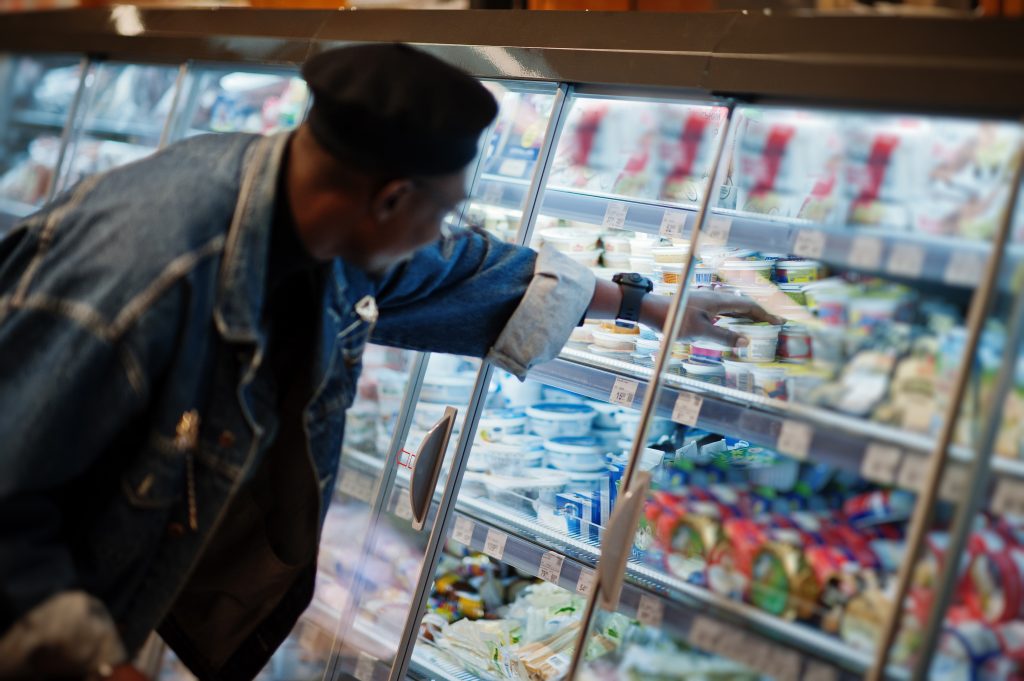
Key Takeaway: Regular commercial refrigeration maintenance helps Oklahoma businesses prevent costly breakdowns, reduce spoilage, and improve energy efficiency. Preventive service catches small problems before they become expensive repairs while helping refrigeration equipment perform reliably year-round. Commercial refrigeration maintenance in Oklahoma helps restaurants, grocery stores, medical facilities, and warehouses protect inventory and daily operations. Reliable refrigeration keeps food safe, preserves temperature-sensitive products, and reduces costly waste. Oklahoma’s high summer temperatures, dust, and seasonal weather changes put extra strain on refrigeration equipment. Routine maintenance helps identify worn components, airflow restrictions, and temperature issues before they lead to unexpected failures. This guide explains how preventive maintenance reduces breakdowns, improves efficiency, lowers repair costs, and extends equipment life. Avoid Costly Breakdowns with Regular Maintenance A refrigeration failure rarely affects just one piece of equipment. A walk-in cooler that stops cooling during a busy afternoon can lead to spoiled inventory, emergency service calls, interrupted operations, and lost sales. Regular maintenance helps prevent many of these failures before they happen. Routine walk-in cooler maintenance targets the components most likely to cause downtime. Technicians clean condenser and evaporator coils, verify box temperatures against controller settings, inspect door gaskets for air leaks, test defrost cycles, clear drain lines, check refrigerant charge, and inspect motors, belts, and electrical connections. Small repairs made during a maintenance visit are typically far less expensive than replacing a failed compressor or evaporator fan motor. Many businesses schedule monthly inspections with more comprehensive quarterly service. Tracking temperatures, pressures, and amp draw over time helps identify declining performance before it becomes an emergency refrigeration repair. For many operators, preventive refrigeration services become part of normal facility maintenance rather than an emergency expense. Enhance Efficiency and Extend Lifespan Maintenance doesn’t just prevent breakdowns. It also helps refrigeration equipment operate more efficiently. Dirty condenser coils restrict heat transfer, forcing compressors to run longer. Worn door gaskets allow cold air to escape, while restricted airflow causes evaporator coils to work harder than necessary. Even small efficiency losses add up when equipment runs around the clock. Simple maintenance tasks can produce measurable savings. Cleaning condenser coils, repairing leaking door gaskets, restoring proper refrigerant charge, and correcting airflow problems can reduce energy consumption by 5-15% in many commercial systems. Proper defrost settings also reduce unnecessary compressor runtime while helping maintain consistent product temperatures. The same maintenance practices help extend equipment life. Compressors operating within normal temperatures and pressures experience less wear, while clean electrical components and properly adjusted controls reduce unnecessary strain on the system. Larger facilities that depend on central refrigeration often pair preventive maintenance with specialized chiller services to keep every part of the cooling system operating efficiently. For most businesses, routine commercial refrigeration maintenance in Oklahoma costs far less than a major equipment failure, spoiled inventory, or an unexpected shutdown during the busiest time of the year. Important Facts About Commercial Refrigeration Maintenance for Oklahoma Businesses Dirty condenser coils reduce heat transfer, which can lower cooling capacity and force the compressor to run longer. Damaged door gaskets and faulty door closers allow warm, humid air into a cooler, increasing energy use and causing frost to build up around doors, shelves, or products. Temperature readings should be checked against an independent thermometer. A controller display may not reveal a failing sensor, poor airflow, or warmer areas inside the box. Restaurants and food-service businesses generally need time and temperature control for safety foods held at 41°F or below. Unstable cooler temperatures can create both spoilage and food safety concerns. Ice on an evaporator coil may point to an airflow problem, failed fan, defrost issue, blocked drain, or air leaking through a damaged door seal. Maintenance records that track box temperatures, refrigerant pressures, compressor amp draw, and recurring repairs can reveal declining performance before the system fails. Maintain Food Safety Standards Commercial refrigeration maintenance in Oklahoma helps restaurants, grocery stores, and other food-service businesses maintain safe storage temperatures. Regular walk-in cooler maintenance reduces temperature fluctuations that can shorten product shelf life, increase spoilage, and create food safety concerns. Consistent temperatures depend on more than thermostat settings. Technicians verify sensor accuracy, inspect door gaskets, clear drain lines, test defrost cycles, and confirm evaporator fans are moving air evenly throughout the cooler. These checks help eliminate warm spots, reduce ice buildup, and maintain consistent product temperatures. Routine inspections also make health inspections easier. A scheduled restaurant refrigeration service plan includes verifying operating temperatures, calibrating thermometers, and identifying worn components before they fail. When refrigeration repair is needed, addressing the problem quickly helps protect inventory and avoid unnecessary downtime. Sustainability and Energy Efficiency Commercial refrigeration runs around the clock, making efficiency an important operating cost. In many grocery stores and food-service operations, refrigeration accounts for one of the largest sources of electricity use. Clean condenser coils, properly sealed doors, and accurate refrigerant charge reduce compressor runtime and help equipment recover temperature more quickly after door openings. Many of the same principles behind energy-efficient HVAC systems apply to refrigeration. Routine coil cleaning, unrestricted airflow, proper fan operation, and correctly timed defrost cycles improve heat transfer while reducing unnecessary energy consumption. Even small efficiency gains become significant on equipment that operates 24 hours a day. Sustainability also means repairing equipment before minor problems become major failures. Early leak detection, electrical inspections, and targeted refrigeration repair reduce refrigerant losses, extend equipment life, and help businesses avoid replacing expensive components before necessary. Commercial Refrigeration Maintenance in Oklahoma FAQs How often should commercial refrigeration systems be serviced? Most businesses should schedule commercial refrigeration maintenance at least twice a year. High-demand operations such as restaurants, grocery stores, and convenience stores often benefit from quarterly inspections to keep equipment operating efficiently and reduce the risk of unexpected breakdowns. What are the signs that refrigeration repair is needed? Warm product temperatures, excessive frost buildup, unusual noises, water leaks, frequent compressor cycling, or rising energy bills can all indicate the need for refrigeration repair. Addressing these issues early often prevents more extensive equipment damage. What does walk-in cooler maintenance include? Walk-in
water heater repair vs replacement, water heater troubleshooting, water heater replacement cost
Commercial, HVAC, Refrigeration

Water Heater Repair vs Replacement: How to Choose the Right Option

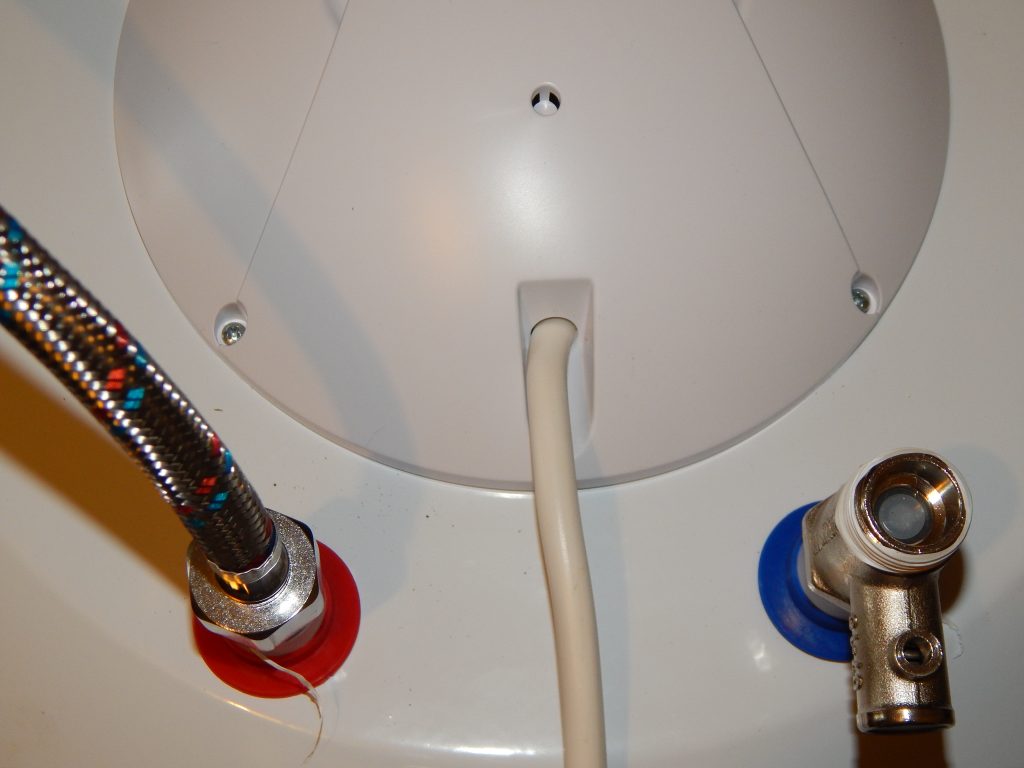
Key Takeaway: Choosing between water heater repair vs replacement depends on age, repair cost, leaks, corrosion, and efficiency. Repair often makes sense for newer units with isolated issues, while replacement is usually smarter for older systems with recurring problems or major damage. A professional assessment can compare repair costs, expected lifespan, and long-term energy savings. Water heater repair vs replacement is a common decision when hot water becomes unreliable. Lukewarm water, strange noises, leaks, or rising utility bills can all point to a system that needs attention. The right choice depends on the unit’s age, repair history, safety concerns, and long-term operating cost. A repair may restore reliable hot water if the issue is minor and the unit still has useful life left. Replacement may make more sense when the system is older, inefficient, leaking, or needing frequent service. Understanding the warning signs helps homeowners avoid short-term fixes that cost more over time. This guide explains what to check first, when repair makes sense, and when replacement may be the better investment. Signs Your Water Heater Needs Attention Water heater troubleshooting starts with the symptoms. Leaks, rusty water, rumbling sounds, and inconsistent temperatures are all signs the system may need service. Catching these issues early can help prevent larger repairs or water damage. Leaks should be addressed quickly. Water around the base of the tank can damage flooring, walls, and surrounding materials. Rust or corrosion may also point to internal wear, especially on older tank systems. Noise is another common warning sign. Popping or rumbling often means sediment has hardened inside the tank. Sediment buildup reduces heat transfer, increases energy use, and can shorten equipment life. Temperature problems can come from several causes. A faulty thermostat, worn heating element, failing dip tube, or sediment buildup can all affect hot water performance. Homeowners looking into water heater replacement in OKC should start by checking whether maintenance or repair can restore performance before replacing the unit. Factors That Guide Repair or Replacement Age is one of the biggest factors in water heater repair vs replacement. Traditional tank water heaters often last 8 to 12 years, while tankless models can last longer with proper care. If the unit is near the end of its expected lifespan and showing signs of wear, replacement may be the better choice. Repair cost also matters. If a repair costs close to half the price of a new system, replacement is often more practical, especially on an older unit. Frequent service calls can also make repair less cost-effective over time. Efficiency should be part of the decision. Older units often use more energy to deliver the same amount of hot water. A newer system may provide better insulation, steadier temperatures, and lower monthly operating costs. A professional inspection can help compare repair cost, system condition, and water heater replacement cost. Technicians who handle heating repair in Oklahoma can inspect components, check safety concerns, and explain whether repair or replacement makes more sense for the home. Important Facts About Water Heater Repair vs Replacement Understanding water heater repair vs replacement comes down to cost, age, performance, and long-term efficiency. These key points help guide the decision. Common problems affect cost and comfort. Leaks, inconsistent temperature, and reduced hot water supply often increase energy use and signal the need for water heater troubleshooting. Age plays a major role. Tank systems typically last 8–12 years. Older units with recurring issues are usually better candidates for replacement. Repair cost vs replacement cost matters. If repairs approach half the price of a new unit, replacement is often the more practical option. Efficiency impacts long-term savings. Newer systems reduce energy use and can lower monthly utility bills over time. Recurring issues point toward replacement. Frequent service calls or ongoing performance problems often indicate the system is nearing the end of its lifespan. Professional evaluation helps clarify the decision. A technician can assess condition, estimate water heater replacement cost, and recommend the most cost-effective path. Balancing repair cost, system age, and performance helps homeowners choose between a short-term fix and a long-term upgrade. Efficiency and Cost Savings When comparing water heater repair vs replacement, efficiency often becomes the deciding factor. Water heater troubleshooting can resolve isolated issues, but it cannot correct ongoing energy waste in an aging system. Older units that run longer or struggle to recover after use often increase monthly utility costs. Newer systems improve efficiency in measurable ways. Heat pump water heaters use significantly less electricity than standard electric tanks by transferring heat instead of generating it. High-efficiency gas models with condensing technology also reduce fuel use compared to older units. Over time, these gains can help offset the water heater replacement cost, especially in homes with higher hot water demand. These improvements are similar to what homeowners see with energy-efficient heating with heat pumps in Oklahoma, where better system design reduces waste. Features like improved insulation, higher Uniform Energy Factor ratings, and programmable controls support more consistent performance. If energy costs continue to rise despite maintenance, replacement often provides better long-term value than continued repairs. Professional Guidance in Decision-Making Water heater repair vs replacement becomes clearer with a professional evaluation. A technician can measure efficiency, assess recovery time, and determine whether repairs will provide lasting results or only short-term relief. Cost comparisons are also important. Estimating current repair costs alongside likely future issues allows homeowners to compare those expenses against the water heater replacement cost and expected energy savings. This helps determine whether a repair meaningfully extends system life or simply delays replacement. When replacement is the better option, many homeowners consider HVAC financing options for upgrades and replacements to manage upfront cost. Spreading payments over time while improving efficiency can make the transition more practical and predictable. Planning for a Water Heater Upgrade FAQ Before moving forward with water heater repair vs replacement, it helps to plan the upgrade. Start with key factors such as system size, fuel type, location, and efficiency goals. Matching these to your home’s electrical,

commercial refrigeration maintenance, ice machine cleaning, walk-in cooler repair
Commercial, Refrigeration

Why Commercial Refrigeration Maintenance Matters

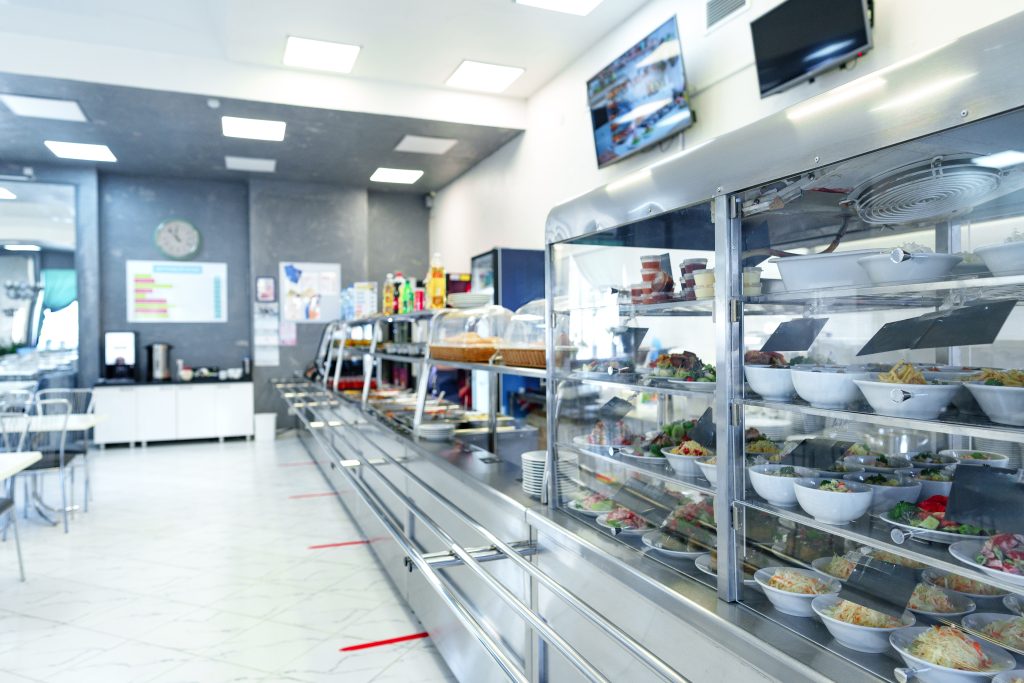
Key Takeaway: Regular commercial refrigeration maintenance keeps systems efficient, reduces breakdown risk, and supports food safety compliance. Cleaning coils, checking gaskets, calibrating temperatures, and maintaining airflow help lower energy costs and extend equipment life. A consistent maintenance routine protects inventory, minimizes downtime, and keeps operations running smoothly. Commercial refrigeration maintenance keeps food businesses running without disruption. Restaurants, grocery stores, and catering operations rely on consistent cooling to protect inventory and meet safety standards. When systems fail, the cost adds up quickly—spoiled food, lost revenue, and service interruptions. Maintenance goes beyond cleaning. It includes temperature checks, seal inspections, and airflow control. These steps help reduce energy use and extend equipment life. Many businesses rely on professional refrigeration services to keep systems compliant and operating consistently. This guide outlines practical steps for maintaining commercial refrigeration systems. With the right approach, businesses can reduce downtime, control costs, and keep operations steady. Regular Cleaning and Inspection: The Foundation of Reliability Routine cleaning and inspection are essential for effective commercial refrigeration maintenance. Dust, grease, and debris can build up on condenser coils and fan blades, forcing the system to work harder. This increases energy use and shortens equipment life. Cleaning these components regularly improves airflow and helps maintain stable temperatures. Door seals should also be checked for cracks or gaps. Even small leaks allow cold air to escape, leading to uneven cooling and higher energy costs. Staff should watch for early warning signs such as unusual noises, frost buildup, or water pooling. Including seasonal maintenance in your schedule helps catch issues early and reduce the risk of unexpected failures. Ice machines require additional attention. Regular ice machine cleaning helps prevent buildup and supports safe operation. Monitoring production changes or cloudy ice can help identify issues before they lead to repairs. Essential Facts About Commercial Refrigeration Maintenance Reliable commercial refrigeration maintenance helps prevent breakdowns, protect food quality, and control energy costs. Consistent upkeep supports compliance and keeps operations running without disruption. Clean systems run more efficiently. Dirty coils force compressors to work harder. Routine cleaning and routine inspection help reduce energy use and improve performance. Ice machines require regular cleaning. Consistent ice machine cleaning helps prevent buildup and supports safe, consistent ice production. Accurate temperature control prevents waste. Testing sensors and controls ensures safe storage conditions. Issues with thermostat accuracy can lead to spoilage or higher energy use. Door seals impact efficiency. Worn gaskets allow cold air to escape, increasing energy costs and reducing cooling consistency. Airflow must remain clear. Blocked vents or dirty components can strain the system. Proper air movement supports stable temperatures. Early repairs reduce major failures. Signs like frost buildup or unusual noise often point to larger issues. Timely walk-in cooler repair helps prevent costly downtime. Preventive maintenance improves reliability. Scheduled service reduces emergency repairs and supports consistent performance year-round. Consistent cleaning, inspection, and calibration help extend equipment life, reduce operating costs, and protect inventory. Small maintenance steps often prevent larger operational issues. Checking Door Gaskets and Seals for Energy Efficiency Inspecting door gaskets is a key part of commercial refrigeration maintenance. These seals keep cold air in and warm air out. When they crack or loosen, systems lose efficiency and compressors work harder to maintain temperature. Check for visible damage, gaps, or condensation around the door frame. Cleaning gaskets with mild soap and water helps maintain flexibility and prevent buildup. If air leaks are noticeable, replacement is often a simple and cost-effective fix. Maintaining proper seals helps stabilize temperatures, reduce energy use, and extend equipment life. Consistent gasket checks support reliable system performance. Maintaining Proper Airflow and Ventilation Proper airflow is essential for commercial refrigeration maintenance. When airflow is restricted, heat builds up, forcing the system to work harder and increasing the risk of failure. To maintain proper airflow: Keep clearance around units to allow ventilation Clean condenser coils, vents, and fans regularly Remove dust, grease, and debris buildup Schedule deep cleaning in high-use environments Maintaining airflow improves efficiency and reduces strain on the compressor. Professional air handlers services can support long-term performance. Addressing Common Issues: Leaks, Frost, and Strange Noises Even with regular commercial refrigeration maintenance, issues can develop. Early detection helps prevent larger failures and protect stored inventory. Frost buildup may indicate airflow issues, gasket failure, or defrost problems. Reduced cooling can point to a refrigerant leak, while unusual noises such as rattling or grinding often signal mechanical wear. These warning signs should not be ignored. Small issues can escalate quickly and lead to system failure if left unaddressed. When problems persist, professional repairs and diagnostics can identify the root cause. In some cases, a targeted walk-in cooler repair may be required to restore proper function. Commercial Refrigeration Maintenance FAQs How often should I schedule commercial refrigeration maintenance? Schedule professional commercial refrigeration maintenance at least twice per year. Regular inspections help catch issues early, reduce breakdown risk, and maintain energy efficiency. How often should ice machine cleaning be done? Ice machine cleaning should be done every 3 months, or more often in high-use environments. Regular cleaning helps prevent buildup and keeps ice safe and consistent. What causes frost buildup in a walk-in cooler? Frost buildup is usually caused by warm air entering the unit through damaged seals or frequent door openings. Poor airflow or defrost issues can also contribute. Persistent frost may require walk-in cooler repair. Can maintenance reduce refrigeration energy costs? Yes. Clean coils, proper airflow, and accurate temperature settings reduce system strain and improve efficiency. Consistent maintenance can lower monthly energy costs and extend equipment life. What should I do if my system stops cooling? Check power, thermostat settings, and door seals first. If the issue continues, shut down the unit and contact a professional immediately to prevent damage and protect inventory. Reliable Systems Mean Stronger Bottom Lines Reliable cooling protects more than inventory. It protects food quality, daily operations, and customer trust. Commercial refrigeration maintenance helps businesses reduce downtime, control energy costs, and keep equipment performing consistently. When systems run properly, managers can focus on

Scroll to Top

Request Service

*If you’re filling this out between the hours of 10 pm – 6 am, please give us a phone call instead for faster service using the following phone numbers*

Western Oklahoma Area

(580) 323-2003

El Reno, Yukon and Mustang

(405) 868-2000