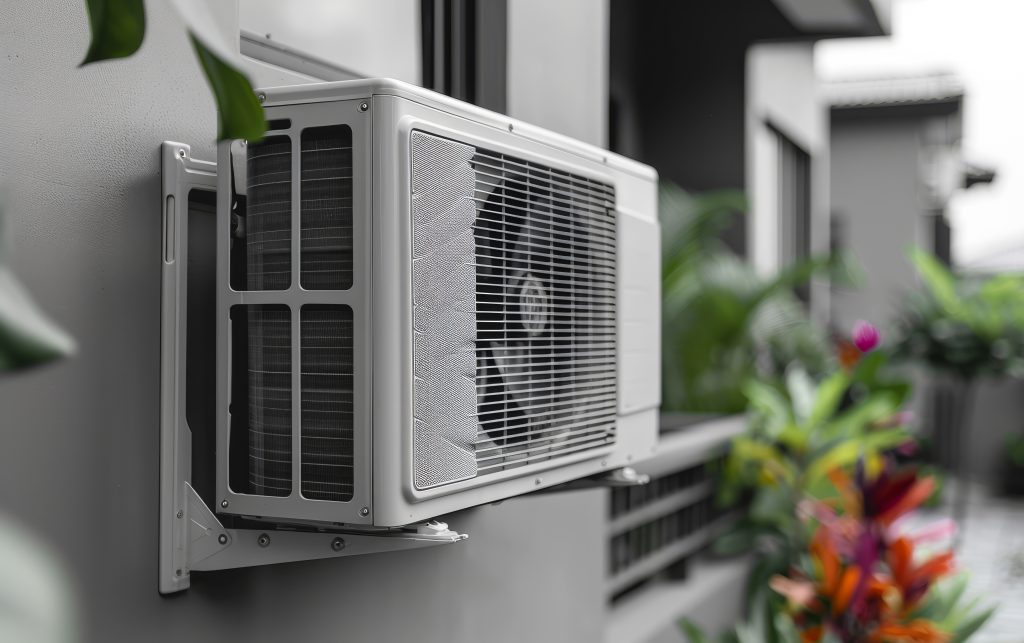
Air Conditioner Leaking Water? Here’s What To Do
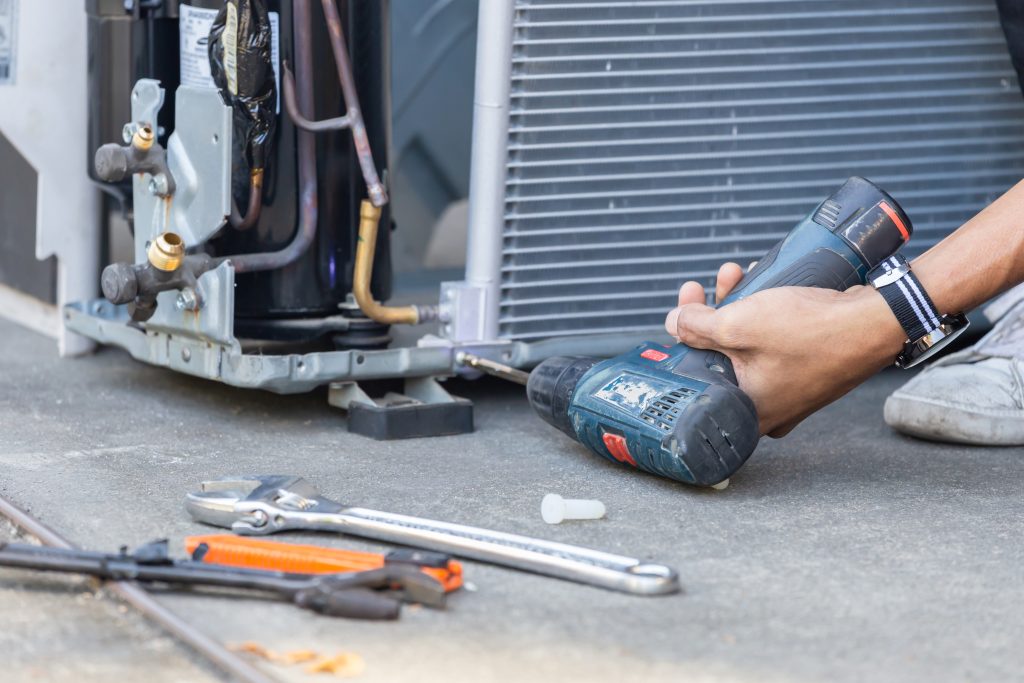
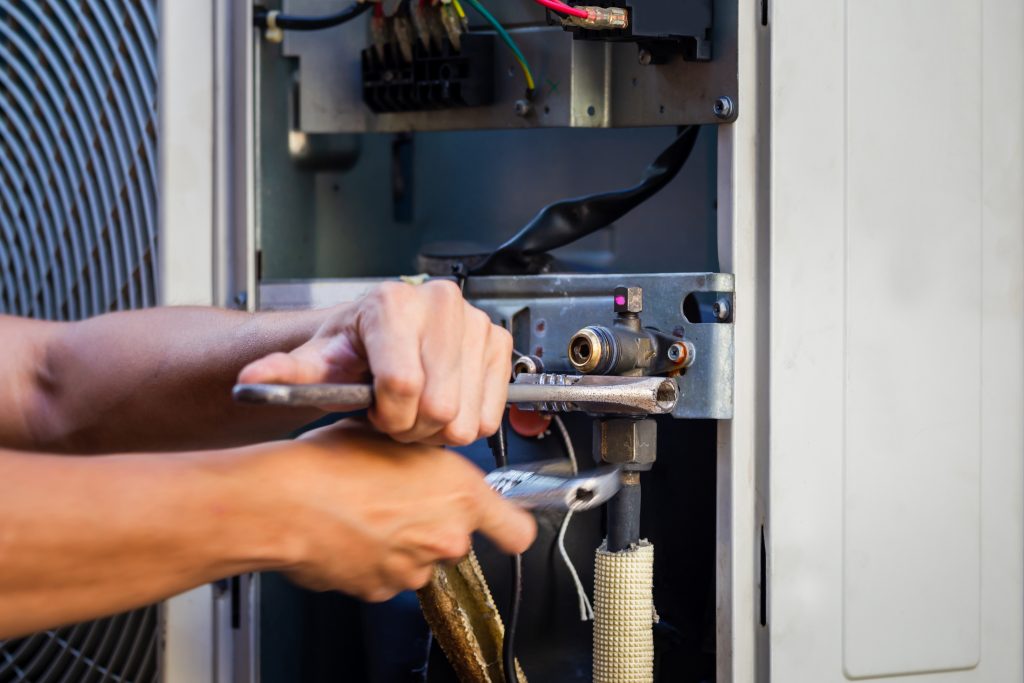
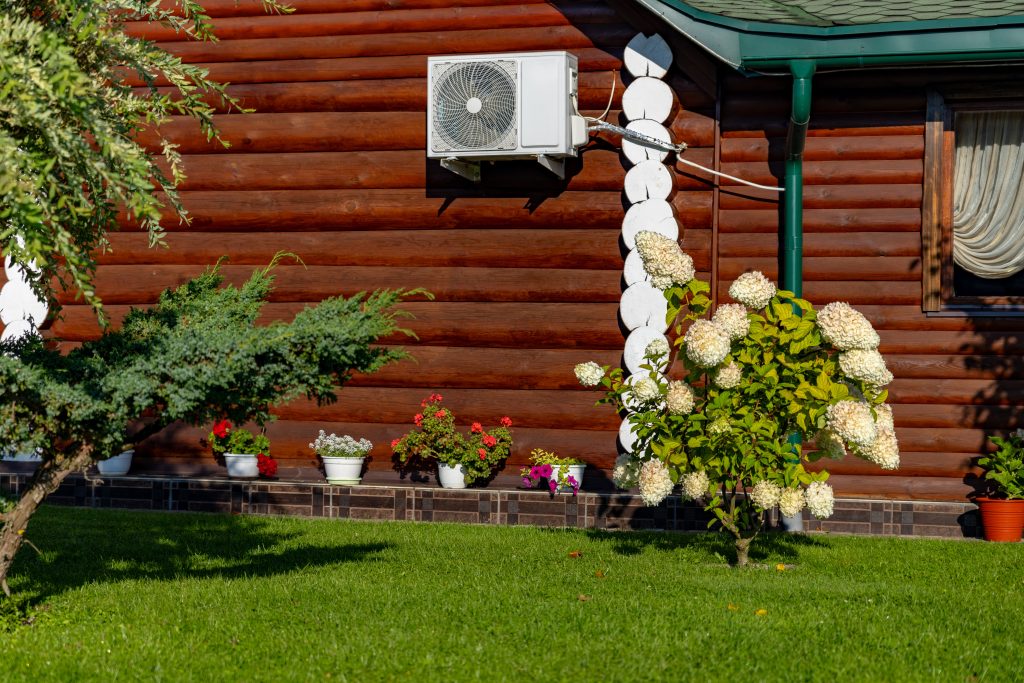
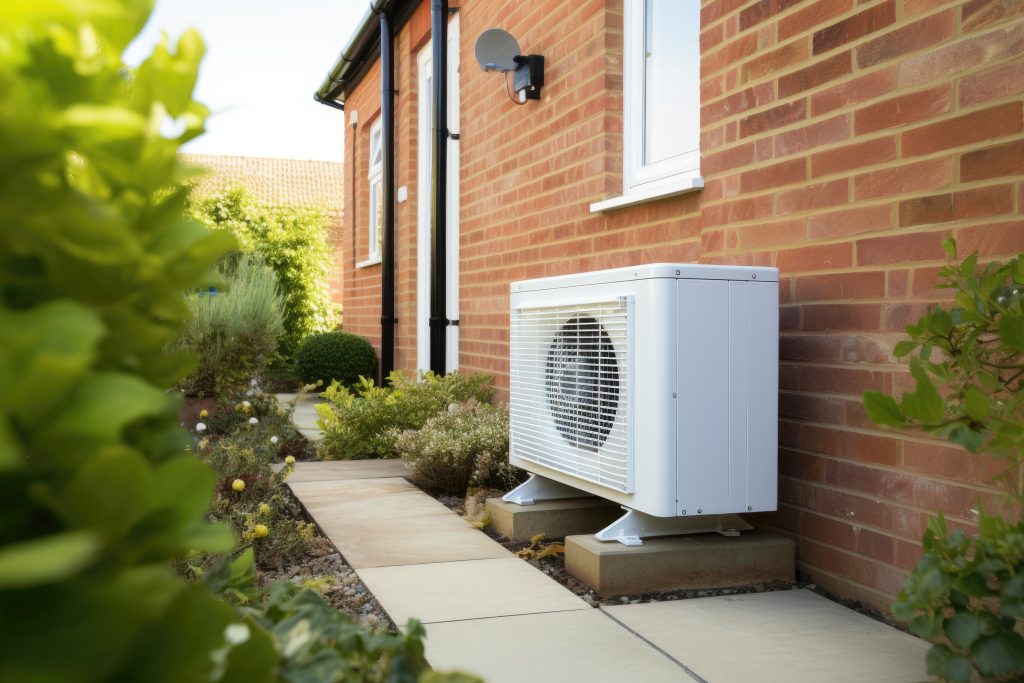
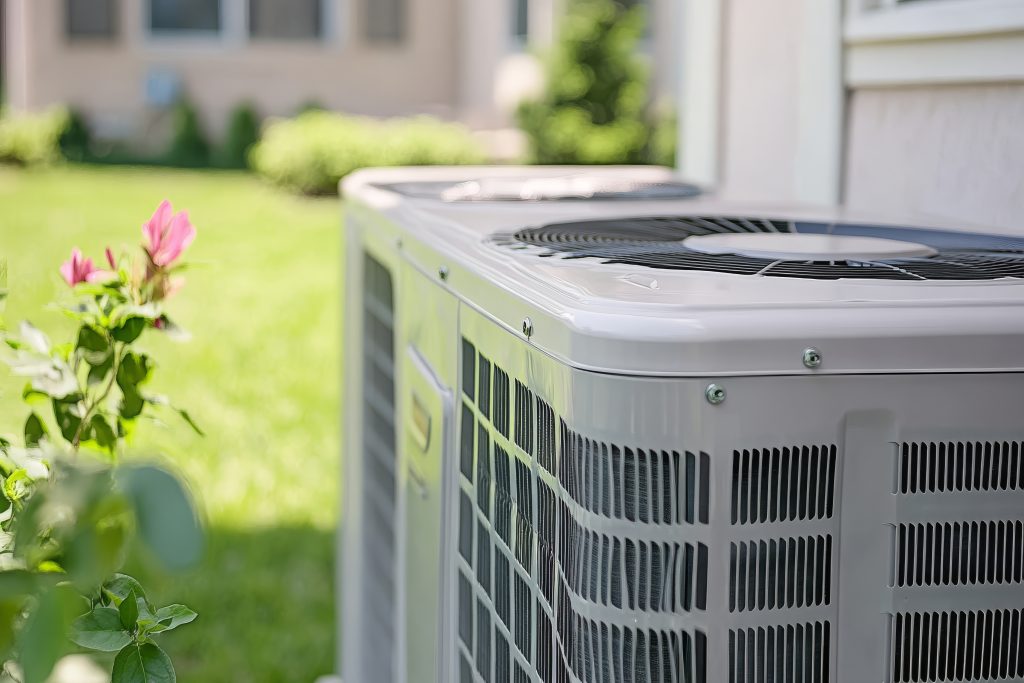
Key Takeaway: An air conditioner leaking water is often caused by a clogged condensate drain line. Regular cleaning and simple maintenance steps—such as using a wet/dry vacuum or a vinegar solution—can help unclog condensate drains and prevent further leaks. Routine care ensures efficient performance and helps avoid costly water damage. If you are unsure or the problem persists, it is advisable to seek professional assistance to avoid further damage. One of the most common HVAC issues is an air conditioner leaking water. Ignoring it can lead to higher repair costs and potential damage. The most frequent cause is a clogged condensate drain line. When this line is blocked, condensation overflows and leaks. Addressing it quickly helps prevent bigger problems. Debris buildup in the condensate line—dust, dirt, and algae—often triggers the leak. Understanding these causes helps you act fast and apply effective water leak repair tips. If the issue extends beyond a simple clog, professional AC repair can address system performance concerns linked to leaks. A frozen evaporator coil can also contribute to an air conditioner leaking water. Ice forms from low airflow or low refrigerant and then melts, creating excess moisture. Recognizing these signs early lets you prevent repeat leaks and keep cooling efficient through hot weather. The Importance of Regular HVAC Maintenance Preventing an air conditioner leaking water starts with routine upkeep. Seasonal inspections and cleanings reduce the chance of a clogged line and keep performance steady. Consistent maintenance extends system life and lowers the risk of surprise repairs. Service should include checking and clearing the condensate drain line so water flows freely. Regular care improves efficiency and helps avoid repeat clogs. Consistent seasonal HVAC maintenance also supports long-term system performance and reduces the likelihood of leaks returning. Staying proactive also helps catch issues before they escalate. Scheduling maintenance ahead of summer ensures your system is cleaned, tested, and ready for heavy use. DIY Method to Unclog Your Condensate Drain Line When you notice an air conditioner leaking water, a DIY AC drain fix can be effective if you’re comfortable with basic tasks. Always shut off power first. Locate the drain line near the outdoor unit. Use a wet/dry vacuum to remove debris, then pour a vinegar-and-water solution through the line with a funnel to dissolve buildup and unclog the condensate drain. A gentle brush can help dislodge stubborn material. Restore power and monitor for leaks. If pooling water continues or the line reclogs, it may signal a deeper issue. In that case, reach out for emergency AC services to clear the blockage safely and prevent further damage. Important Facts About Air Conditioner Leaking Water In Mustang, OK, an air conditioner leaking water is a common issue during hot weather. Understanding why it happens and how to address it helps prevent damage and avoid unnecessary repairs. Here are some key points to keep in mind: Common Cause: A clogged condensate drain line is the most frequent cause of leaks. Debris buildup prevents proper drainage and leads to overflow. Regular Maintenance: Seasonal HVAC maintenance helps keep the drain clear and reduces the risk of recurring leaks. Immediate Action: If you notice water pooling around your unit, addressing it quickly helps prevent mold growth and damage. Tools Needed: A wet/dry vacuum, drain brush, or cleaning solution can help unclog the condensate drain during a DIY AC drain fix. Signs of Trouble: Persistent leaks, unusual noises, or reduced cooling may signal deeper mechanical issues and the need for professional evaluation. Financing Options: If repairs are extensive, HVAC financing options can help manage costs while restoring system performance. Preventative Measures to Avoid Future Clogs Preventing an air conditioner leaking water begins with regular maintenance and a few simple preventative steps. Installing a safety switch can shut the system off automatically if the condensate drain becomes blocked, reducing the risk of water damage. Establishing a routine cleaning schedule for the drain line helps keep it clear and improves long-term performance. Flushing the condensate drain with a vinegar and water mixture is another useful way to unclog condensate drains and limit algae buildup. Integrating these small habits into your seasonal routine helps support reliable cooling and reduces the likelihood of repeated leaks. Ongoing AC maintenance also strengthens system efficiency and keeps equipment running smoothly. Taking proactive steps like these protects your system, prevents unexpected downtime, and supports a longer unit lifespan. Preparing your air conditioner for heavy summer use ensures your home stays cool and comfortable without the stress of sudden leaks or interruptions. When to Call a Professional While a DIY AC drain fix can solve minor issues, certain signs indicate it’s time to call a professional. Persistent leaks, unusual sounds, weak cooling performance, or repeated clogs suggest there may be a deeper mechanical or refrigerant issue that needs expert attention. Addressing these concerns early helps avoid larger repairs later on. Professional technicians have the tools and experience to locate the source of the water leak, check refrigerant levels, inspect electrical components, and restore proper drainage. Prompt service ensures your system runs efficiently and prevents additional wear or damage. For homeowners in Mustang, OK, residential HVAC services are available to handle repairs, maintenance, and system checks. Working with a professional helps ensure reliable cooling and consistent home comfort throughout the summer. Understanding HVAC Financing Options In some cases, repairs or replacements may be necessary when an air conditioner leaking water causes system damage. HVAC financing can make these repairs more manageable. Spreading costs over time allows homeowners to maintain comfort without taking on a large upfront expense. Many providers offer flexible payment plans with various terms, interest rates, and schedules. These options allow you to choose an approach that aligns with your budget while still ensuring proper system performance. Exploring financing solutions helps prevent delays when repairs or upgrades are needed. Available HVAC financing options can support both repair needs and long-term improvements. This approach helps maintain comfort, manage costs, and ensure your system continues to operate efficiently. Air Conditioner Leaking Water FAQs