


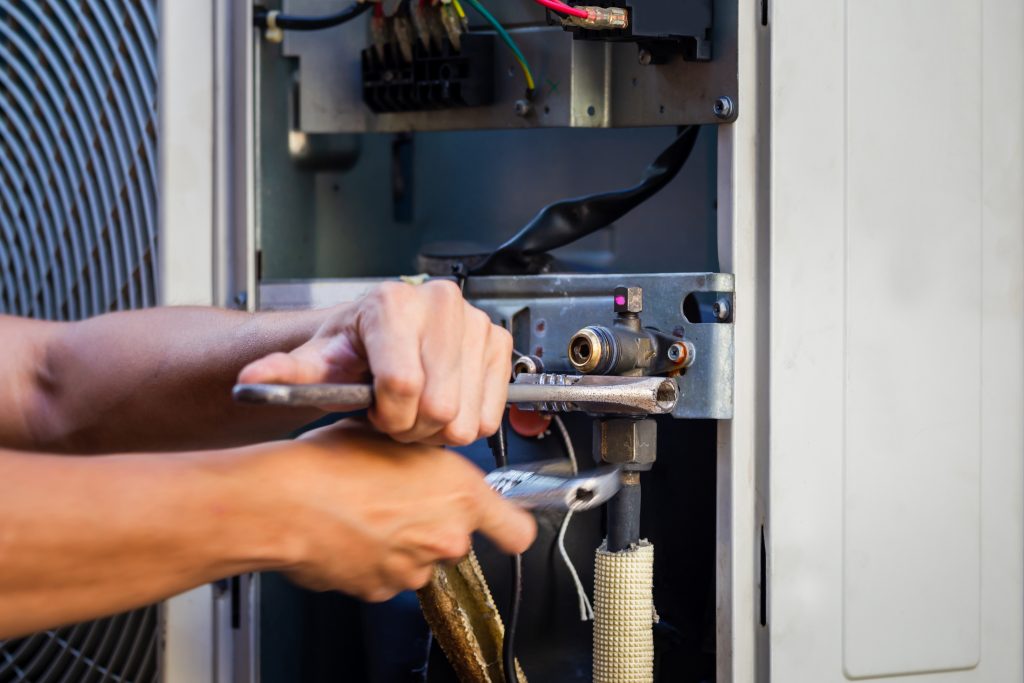
Furnace Not Blowing Hot Air? Start with Thermostat Settings
Key Takeaway: A furnace not blowing hot air often comes down to thermostat settings, clogged filters, or a failed pilot light. Quick heater troubleshooting steps—like adjusting the thermostat, swapping a dirty filter, or confirming the pilot is lit—can restore heat quickly. When problems persist, avoid risky furnace repair DIY and book a professional heating system check to keep your home safe and comfortable. Coming home to find your furnace not blowing hot air can be frustrating, especially when the temperatures drop. Before calling for service, take a few heater troubleshooting steps. A careful heating system check often reveals simple fixes that save time and money. Knowing which furnace repair DIY tasks are safe can also help you restore comfort quickly. One of the most common issues is thermostat settings. Make sure the thermostat is in heating mode and the temperature is set above the current room reading. If your furnace is running but not heating, incorrect settings may be the reason. Replacing low batteries or checking thermostat placement can also improve performance. Inspecting Air Filters for Better Performance If your furnace is not blowing hot air, the air filter may be clogged. Dust and debris build up quickly, blocking airflow and causing the system to overheat or shut down. Replacing a filter every one to three months keeps the system efficient and the air clean. To replace a filter, remove the old one and install a new one with the arrows pointing in the correct airflow direction. This small step can prevent costly breakdowns and is one of the simplest furnace repair DIY tasks for homeowners. Examining the Pilot Light for Smooth Operation Another reason for a furnace not blowing hot air is a pilot light that has gone out. The pilot ignites the burners and, without it, your furnace can’t produce heat. Check the flame at the base of the unit. If it’s out, follow the manufacturer’s instructions to relight it safely. If the pilot won’t stay lit, this points to a deeper problem that needs professional service. Safety comes first—if you smell gas or aren’t sure how to proceed, don’t attempt furnace repair DIY. Instead, schedule a heating system check to protect your home and family. Important Facts About Furnace Troubleshooting The comfort of your home depends on a reliable heating system. When you discover a furnace not blowing hot air, it can quickly turn into an uncomfortable situation. Before scheduling service, review these important facts to guide safe heater troubleshooting: Thermostat Issues: Many problems come from incorrect settings. Confirm the thermostat is in heating mode and set above the room temperature. Air Filter Condition: Dirty or clogged filters block airflow. Replace them regularly to protect efficiency and air quality. Pilot Light Function: An extinguished pilot light prevents heat production. Follow safety instructions carefully if relighting. Power Supply Checks: A tripped breaker or switched-off furnace power supply can stop the system entirely. Blower Motor Health: The blower circulates heat. Unusual noises or intermittent operation may signal the need for service. Air Duct Inspection: Blocked or dirty ducts restrict airflow. Periodic inspection and cleaning keep heat moving efficiently. Check Circuit Breaker and Power Supply When you’re dealing with a furnace not blowing hot air, the electrical supply should be one of the first things checked. A tripped breaker is a common issue that can shut the system down completely. Go to your electrical panel and see if the furnace breaker has flipped. If so, reset it by moving the switch back to the “on” position. In many cases, this simple step resolves a furnace not blowing hot air without further intervention. Also confirm that the furnace’s nearby power switch is in the “on” position. If the breaker and switch are fine but the furnace not blowing hot air problem continues, avoid handling electrical parts yourself. Instead, reach out for professional help through emergency heating services to ensure safe diagnosis and repair. Inspect the Blower Motor If the furnace is running but still not blowing hot air, the blower motor may be the reason. This component drives airflow through the ducts, so failure leads directly to cold air circulation. Listen for unusual sounds like grinding, rattling, or squealing, which often signal a problem. Visible wear or intermittent starts are also signs of trouble. Keeping the blower motor clean and free of dust is part of effective furnace repair DIY. However, complex repairs should always be left to a professional. Scheduling routine heating maintenance helps extend the blower motor’s lifespan and ensures your next heating system check identifies issues before they lead to another furnace not blowing hot air scenario. Evaluate Air Ducts for Blockages When facing a furnace not blowing hot air, don’t overlook the air ducts. Blockages or leaks can limit airflow, reducing the amount of warm air reaching your rooms. Start by checking accessible ducts for visible dust, buildup, or damage. Even small obstructions can restrict circulation and make your heating system less effective. While simple inspections can spot surface problems, a deeper cleaning may require professional service. If ducts are heavily clogged or show signs of damage, schedule a heating system check for a thorough evaluation. Proper duct care, including attention to ductless systems, keeps airflow strong and supports overall efficiency. Furnace Not Blowing Hot Air FAQs Why is my furnace blowing cold air? A furnace blowing cold air often means the thermostat isn’t set correctly or the system isn’t firing. Make sure the thermostat is in heating mode, the setting is above room temperature, the pilot light is lit, and the filter is clean. How often should I replace air filters? Air filters should generally be replaced every one to three months. Homes with pets, high dust, or allergy concerns may need more frequent replacement to maintain airflow and system efficiency. What should I do if the pilot light goes out? Use your furnace manual’s instructions to relight the pilot safely. If it will not stay lit or you notice gas odors, do not attempt