


What You Need To Know About Geothermal Heating Costs
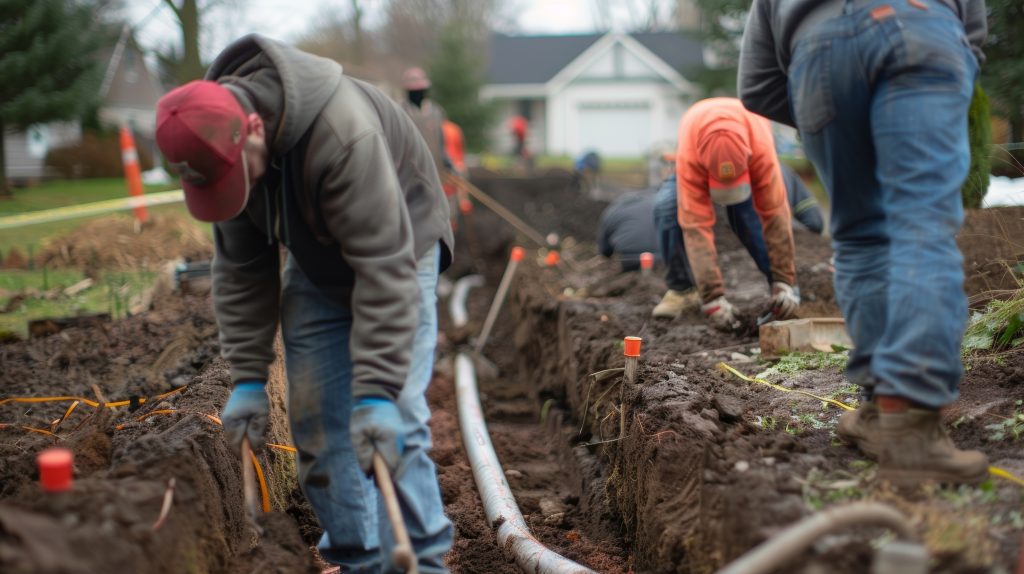
Key Takeaway: Geothermal heating cost is typically higher upfront than a traditional furnace, but long-term operating expenses and maintenance needs are often lower. These systems use stable underground temperatures to deliver energy-efficient heating and consistent performance. Available incentives and tax credits can help reduce initial cost, making the system easier to evaluate from a long-term value perspective. What’s the Real Cost of Staying Warm in Oklahoma? Heating costs are a major concern for Oklahoma homeowners, especially during winters with wide temperature swings. When comparing system options, geothermal heating cost often stands out because of the difference between upfront pricing and long-term expenses. Geothermal systems differ from traditional furnaces by transferring heat from the ground instead of generating it through fuel combustion. This design supports energy-efficient heating and can change how heating costs add up over time. This article breaks down geothermal vs furnace systems by focusing on installation requirements, operating costs, and long-term ownership considerations. Understanding how those factors interact helps homeowners evaluate which heating approach aligns best with their budget and comfort needs. Upfront Installation Costs: Digging Into the Numbers The upfront geothermal heating cost is typically higher than installing a standard gas or electric furnace. Installation requires drilling or trenching to place underground loop systems, which adds complexity to the overall process. That initial investment may be reduced through available state or federal incentive programs. These incentives can help shift the focus from upfront pricing to long-term system performance and operating costs. Traditional furnaces usually involve lower installation costs because of simpler equipment and familiar installation methods. However, lower upfront pricing does not always reflect total system cost over time. Installation scope and site requirements are key considerations when comparing geothermal installation costs to more conventional heating setups. Operating Costs: The Real Long-Term Expense When comparing geothermal vs furnace options, operating costs often represent the most noticeable difference over time. Geothermal systems are designed to deliver energy-efficient heating by transferring heat rather than generating it. Because underground temperatures remain relatively consistent year-round, geothermal systems tend to provide steady performance across Oklahoma’s seasonal temperature swings. This consistency can lead to more predictable energy use. Traditional furnaces depend on fuel consumption, which can vary in price and efficiency over time. Evaluating projected heating system operating costs alongside installation requirements provides a clearer financial comparison. Important Facts About Geothermal Heating vs. Traditional Furnaces 1. Higher upfront costs are a key consideration when reviewing geothermal installation requirements, though available incentives can help offset initial expenses. 2. Differences in ongoing expenses become clearer when comparing heating system operating costs, as geothermal systems are designed for more energy-efficient heating performance. 3. Longer service life and reduced maintenance demands are often associated with geothermal system maintenance needs compared to traditional furnaces. 4. Environmental impact is a factor for homeowners evaluating energy-efficient heating systems that reduce emissions and overall energy use. 5. Available incentives can help lower overall geothermal heating cost, including programs related to geothermal tax credits and rebates. 6. Installation flexibility makes geothermal viable for different projects, including homes that require heating systems for new construction or carefully planned retrofits. Maintenance and Lifespan Differences When evaluating geothermal heating cost, maintenance requirements and system lifespan are important factors to consider. Geothermal systems are known for long service life, with underground loop components often rated to last 25 to 50 years. Fewer exposed moving parts generally means less wear over time. Traditional furnaces typically have shorter lifespans, often closer to 15 to 20 years, and rely on components that experience higher mechanical and thermal stress. This can lead to more frequent repairs or part replacements as the system ages. Both systems require routine care to operate efficiently, but maintenance needs tend to differ. Geothermal systems usually involve periodic inspections of the heat pump and loop performance, while furnaces require ongoing attention to burners, heat exchangers, and airflow components. Differences in geothermal system maintenance versus furnace upkeep can influence overall ownership costs over time. Energy Efficiency and Environmental Impact Energy-efficient heating plays a growing role in how homeowners compare geothermal vs furnace systems. Geothermal heating works by transferring heat rather than producing it through combustion, which typically results in lower energy use for the same comfort output. Because geothermal systems rely on stable underground temperatures, they tend to operate consistently across seasonal swings. This efficiency reduces reliance on fossil fuels and limits emissions associated with traditional fuel-burning systems. Many homeowners factor environmental considerations into heating decisions alongside cost. Systems designed around energy-efficient heating technologies often align with long-term efficiency goals while supporting lower ongoing energy consumption. Financial Incentives and Tax Credits for Oklahoma Homeowners Financial incentives are often part of the geothermal heating cost conversation. Federal and state programs may offer tax credits or rebates that reduce upfront installation expenses and improve overall project affordability. When comparing geothermal vs furnace options, available incentives can vary significantly. Geothermal systems typically qualify for broader incentive programs, while traditional furnace rebates tend to be more limited or equipment-specific. Accounting for applicable geothermal tax credits and rebates can help homeowners better understand how incentives affect total system cost rather than focusing only on installation price. Flexibility for New Builds and Retrofits When comparing geothermal vs furnace systems, flexibility for new construction and existing homes is often part of the decision process. Geothermal systems can be planned into new builds during early design stages, allowing for efficient loop placement, equipment sizing, and zoning without later modifications. For existing homes, geothermal systems can often be integrated with current ductwork, air handlers, and smart thermostats. While traditional furnaces can also be used in both scenarios, they may require more interior space for ducting and do not always offer the same level of system integration. Planning considerations vary depending on structure, lot size, and installation scope, especially when evaluating heating installation for new construction compared to retrofit projects in older homes. Geothermal Heating Costs FAQ How long does a geothermal system last? Geothermal heat pumps are often designed to last 20 to 25 years,