


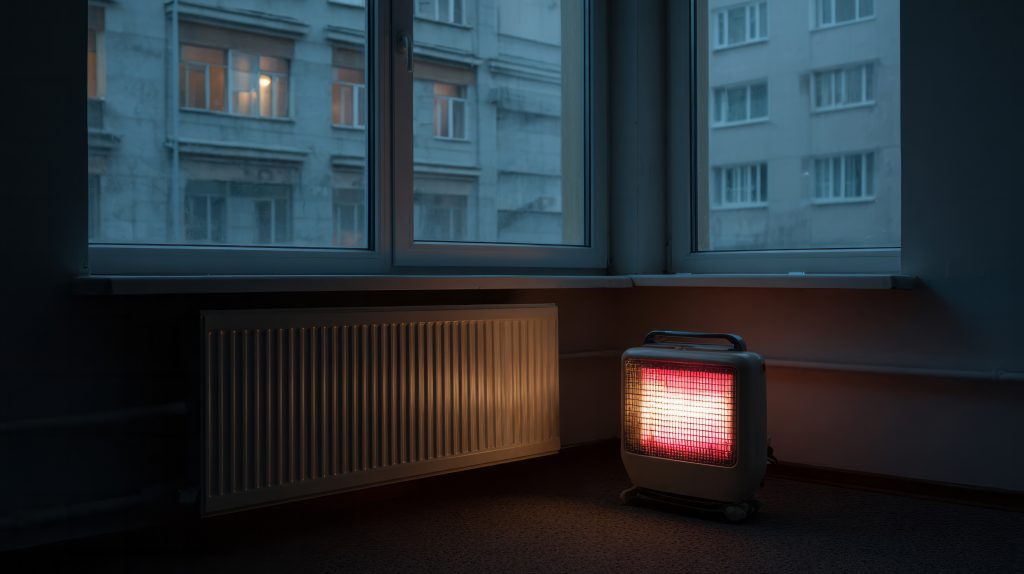
Emergency Heating Failures: Temporary Solutions & Safety Tips
Key Takeaway: During an emergency heating failure, acting quickly can help limit discomfort and safety risks. Basic furnace troubleshooting steps such as checking thermostat settings and replacing filters may restore operation in some cases. Temporary measures like space heaters and draft sealing can provide short-term warmth when used safely. Knowing when to contact professional emergency HVAC repair services is essential for restoring heat safely and preventing further system damage. A sudden loss of heat during winter can quickly become an emergency heating issue. When temperatures drop and systems fail, responding quickly helps protect both household comfort and personal safety. Unexpected heating failures often disrupt daily life and raise concerns for families, seniors, and individuals with medical needs. Knowing basic furnace troubleshooting steps allows homeowners to take practical action while coordinating professional repair service. Short-term solutions such as blankets, layered clothing, and safely operated space heaters may provide temporary relief. Maintaining proper safety practices helps minimize the risk of fire, electrical problems, and carbon monoxide exposure. Recognizing the Signs of a Heating System Failure Most heating emergencies are preceded by warning signs. Weak airflow, unusual noises, frequent cycling, or unfamiliar odors may indicate developing problems. Addressing these symptoms early can help prevent a complete system shutdown. Sudden heating failures are often linked to worn components, thermostat issues, restricted airflow, or delayed service. Consistent professional heating maintenance plays an important role in identifying these concerns before they turn into emergency situations. Routine inspections and seasonal service help extend equipment lifespan and support reliable winter operation. Proactive care also reduces the likelihood of unexpected breakdowns during periods of heavy system demand. Quick Furnace Troubleshooting Before Calling the Pros Before calling for professional help, homeowners can perform a few basic furnace troubleshooting checks. Start by confirming that the thermostat is set to heat mode and the desired temperature. Replacing dirty air filters can also help restore proper airflow and heating performance. Checking circuit breakers and verifying that power is reaching the system may resolve simple interruptions. For gas systems, confirming pilot light or ignition status can sometimes identify minor issues. If these steps do not restore operation, professional emergency HVAC repair support may be necessary. Homeowners should avoid attempting complex repairs or dismantling equipment. When safety concerns arise or basic troubleshooting does not resolve the issue, contacting qualified technicians ensures proper diagnosis and safe system restoration. Important Facts About Emergency Heating Failures Emergency heating failures can happen unexpectedly, leaving homes without heat during cold winter conditions. Early warning signs may include weak airflow, unusual noises, or unfamiliar odors coming from the furnace. Basic furnace troubleshooting steps—such as checking thermostat settings, replacing filters, and inspecting pilot lights—may help identify minor issues. Temporary solutions like properly using space heaters, improving insulation, and maintaining fireplace safety can help maintain basic comfort during an outage. Unsafe practices, including using ovens for heat, overloading electrical circuits, or leaving space heaters unattended, should always be avoided. Knowing when to contact professional emergency HVAC repair services helps ensure safe, reliable restoration of heating systems. Smart and Safe Temporary Heating Solutions During an emergency heating failure, finding safe ways to maintain basic warmth is essential. Portable space heaters can provide temporary relief when used correctly, including placement on stable surfaces and away from flammable materials. Fireplaces may also offer supplemental heat when operated according to proper safety guidelines. Layering clothing, using additional blankets, and sealing drafts around windows and doors can help retain indoor heat. Some homeowners may also rely on ductless heating systems as temporary zone-heating support during outages, reducing dependence on the primary system. Unsafe practices such as using ovens, open flames, or unapproved heating devices should always be avoided. Focusing on insulation, draft reduction, and safe supplemental heat sources helps maintain a safer indoor environment while awaiting professional service. What to Avoid During an Emergency Heating Failure Certain practices significantly increase safety risks during an emergency heating outage. Outdoor appliances should never be used indoors, and electrical circuits should not be overloaded with multiple heating devices. Space heaters should always be monitored and turned off when unattended. Carbon monoxide exposure is another serious concern, particularly when fireplaces or fuel-based equipment are in use. Maintaining functional CO detectors and monitoring indoor air quality helps reduce health risks during extended heating interruptions. Avoiding these high-risk behaviors supports safer conditions and minimizes the likelihood of fire, electrical hazards, and air quality concerns during emergency situations. When to Call for Emergency HVAC Repair Services Professional assistance becomes necessary when heating systems fail during freezing temperatures, especially in homes with children, elderly residents, or medical considerations. In these situations, emergency HVAC repair helps restore safe operation and prevent additional damage. Certified technicians are equipped to diagnose complex mechanical, electrical, and airflow issues that cannot be resolved through basic troubleshooting. Professional repairs ensure systems are restored according to safety standards and manufacturer specifications. Recognizing when DIY efforts are no longer appropriate helps protect both household safety and long-term system reliability. Preparing Your Home for Cold Weather Emergencies Proactive preparation reduces the likelihood of unexpected heating failures. Regular seasonal HVAC maintenance helps identify developing issues before they disrupt winter comfort. Weather sealing around doors and windows further improves heat retention. Upgrading to programmable or smart thermostats allows homeowners to manage temperatures more accurately and reduce system strain during extended cold periods. These tools support more consistent performance and improved energy management. Long-term planning may also include evaluating energy-efficient heating options, such as modern heat pump systems. These upgrades can improve resilience, reduce operating costs, and strengthen overall home comfort during severe weather conditions. Emergency Heating FAQs What should I check first during a heating outage? Start by checking thermostat settings, circuit breakers, and air filters. If the issue is not resolved, professional heating repair services in Oklahoma can help diagnose the problem. How long can a home stay warm without heat? Depending on insulation, weather conditions, and home construction, indoor temperatures may remain stable for several hours. Sealing drafts and limiting heat loss can help