


Your Spring AC Maintenance Guide
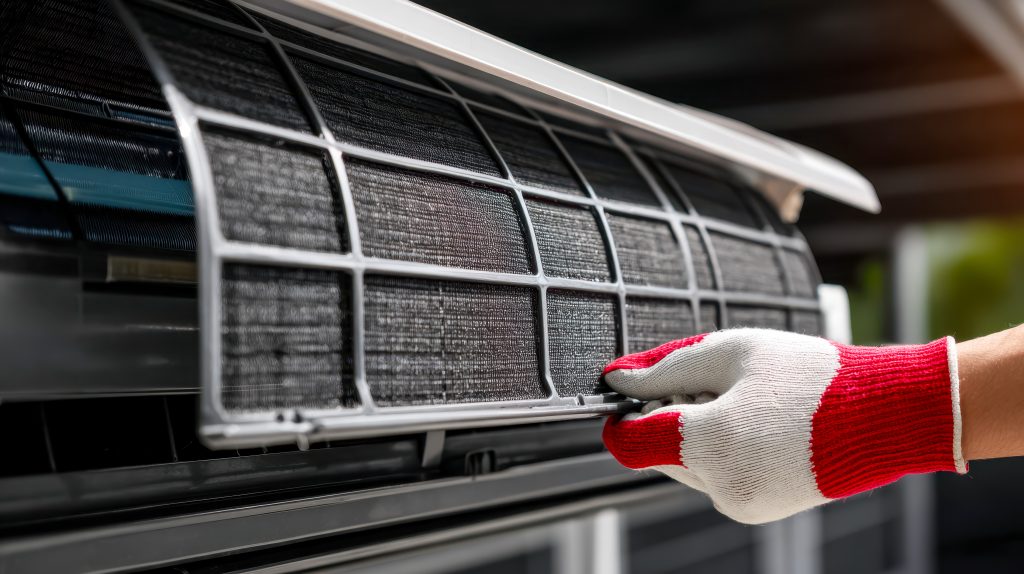
Key Takeaway: AC maintenance helps ensure your cooling system runs efficiently, prevents unexpected breakdowns, and supports long equipment life. Simple steps like replacing filters, cleaning components, checking airflow, and verifying thermostat operation help prepare your system for summer demand. Combining routine homeowner checks with a professional spring HVAC tune-up helps improve reliability, control energy costs, and support healthier indoor air. AC maintenance helps homeowners stay comfortable and control cooling costs as temperatures begin to rise. Many systems go months without attention during the off-season, which can lead to reduced efficiency or unexpected problems once summer arrives. Addressing small issues in spring helps prevent costly repairs and keeps your system operating reliably during peak demand. A spring HVAC tune-up allows technicians to inspect, clean, and test the key components that affect performance. Preventive service helps identify worn parts, restricted airflow, or calibration issues before they develop into larger problems. This preparation supports consistent cooling and helps reduce the risk of sudden breakdowns during the hottest months. Routine maintenance is also an investment in long-term efficiency. Homeowners who prioritize seasonal HVAC maintenance often experience fewer repair issues and more stable energy costs over time. The following checklist highlights several important steps in air conditioning preparation, helping ensure your system is ready for reliable summer operation. Inspect and Replace Air Filters Replacing air filters is one of the most important and easiest AC maintenance tasks. Filters collect dust, pet hair, and airborne particles that can restrict airflow over time. When airflow is limited, the system must work harder to cool the home, which can increase energy use and place additional strain on equipment. Most filters should be replaced every one to three months depending on household conditions. Homes with pets, higher dust levels, or allergy concerns may require more frequent changes. A quick visual inspection is often enough—if the filter appears gray or heavily coated with dust, replacement is recommended. Clean filters help capture dust, pollen, and other airborne particles before they circulate through your home. Consistent regular air filter replacement supports better airflow, efficient cooling, and healthier indoor air throughout the season. Check Thermostat Settings and Function Your thermostat controls when and how your cooling system operates, making it an important part of air conditioning preparation. Before summer arrives, verify that the thermostat accurately reads indoor temperatures and responds correctly to adjustments. Incorrect readings can cause unnecessary system cycling and higher energy consumption. Many homeowners choose to upgrade to programmable or smart thermostats for better control and energy management. These devices can adjust temperatures automatically based on daily schedules and occupancy patterns, helping maintain comfort while reducing unnecessary runtime. If the thermostat is unresponsive or fails to maintain stable temperatures, professional service may be necessary. A technician can diagnose wiring issues, recalibrate sensors, and confirm proper system communication during thermostat installation and repair. Addressing thermostat issues early helps support reliable cooling and a more effective spring HVAC tune-up. Important Facts About AC Maintenance Understanding the basics of AC maintenance helps homeowners prepare their systems for heavy summer use: AC maintenance helps improve efficiency, reduce breakdown risk, and extend system lifespan. A professional spring HVAC tune-up can identify airflow, electrical, or performance issues before peak cooling season. Regular air filter replacement supports proper airflow, healthier indoor air, and reduced system strain. Thermostat testing ensures accurate temperature control and helps prevent unnecessary system cycling. Cleaning condenser coils and clearing debris around the outdoor unit improves cooling efficiency. Early air conditioning preparation helps prevent unexpected repairs and supports reliable summer comfort. Clean Condenser Coils and Outdoor Unit Cleaning the condenser coils and outdoor unit is an important part of seasonal system care. During fall and winter, leaves, dirt, and debris often accumulate around the condenser, restricting airflow and forcing the system to work harder. This buildup can reduce efficiency and increase the risk of overheating once summer demand arrives. Before cleaning, turn off power to the unit at the breaker. Remove visible debris from around the condenser and gently rinse the coils with a garden hose to clear dust and dirt. Maintaining at least two feet of clearance around the unit helps ensure proper ventilation and heat release. If coils appear heavily coated with dirt or residue, professional service may be necessary. Scheduling professional AC maintenance allows technicians to clean internal components safely while checking for early signs of wear or corrosion. Combining basic homeowner cleaning with professional inspection helps support reliable cooling performance throughout the summer. Inspect Ductwork and Airflow Efficient cooling depends on strong, balanced airflow throughout the home. Damaged or leaking ductwork can allow conditioned air to escape into attics or crawl spaces, reducing comfort and increasing energy use. Inspecting accessible duct sections for loose connections, gaps, or insulation damage can help identify obvious problems. Uneven temperatures between rooms or weak airflow from vents may indicate duct leaks or blockages. Dust buildup inside ducts can also restrict airflow and affect indoor air quality. Addressing these issues early helps restore balanced cooling and prevents the system from working harder than necessary. When airflow concerns persist, professional evaluation can help identify hidden problems. Qualified technicians performing air handler services can inspect the blower, internal components, and duct connections to ensure the system operates efficiently. Proper airflow supports consistent comfort while reducing unnecessary strain on equipment. Test System Performance and Schedule Professional Tune-Up After completing basic cleaning and inspections, run the system through a full cooling cycle. Confirm that the unit starts properly, cools the home effectively, and operates without unusual noise. Check that airflow from vents is consistent and that thermostat readings match the room temperature. Even when everything appears to be functioning normally, scheduling a professional spring HVAC tune-up provides additional protection before peak cooling season. Technicians can inspect electrical components, test system performance, and verify refrigerant levels while cleaning areas that are difficult to access safely. Professional air conditioning service helps identify small issues before they develop into larger repairs. Combining homeowner checks with expert inspection helps ensure the system operates