What’s the Best AC System for Your Oklahoma Home?
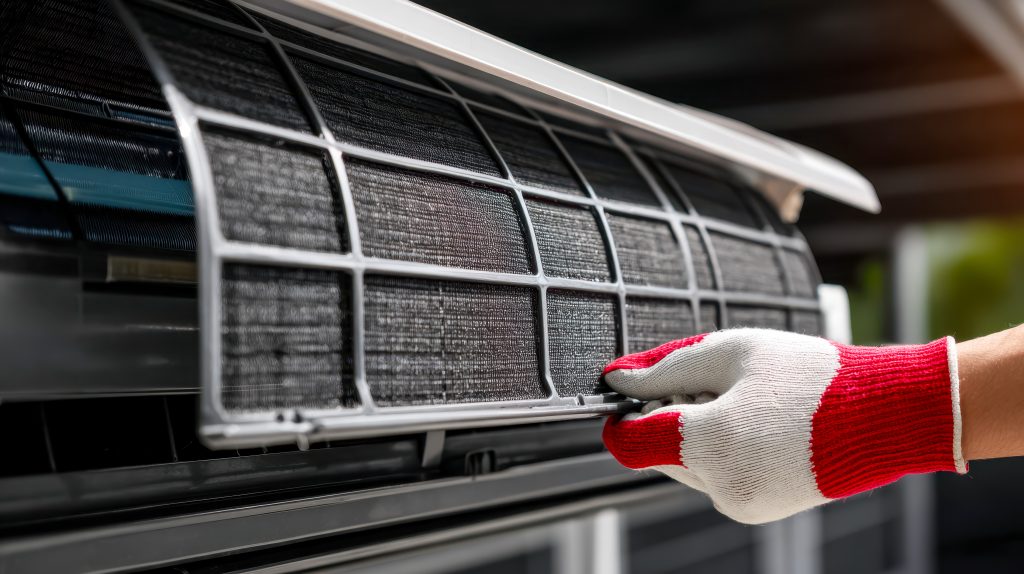
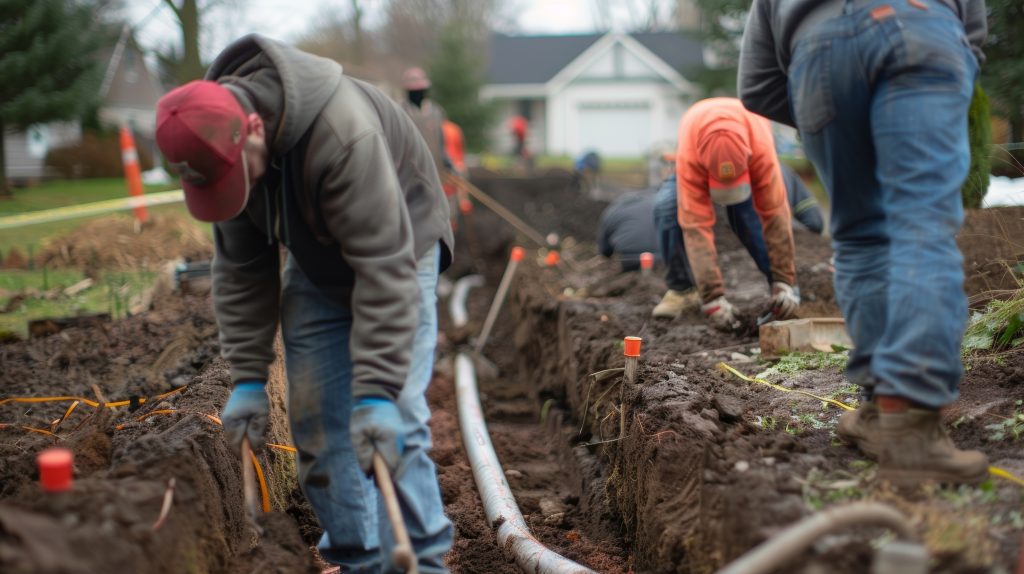
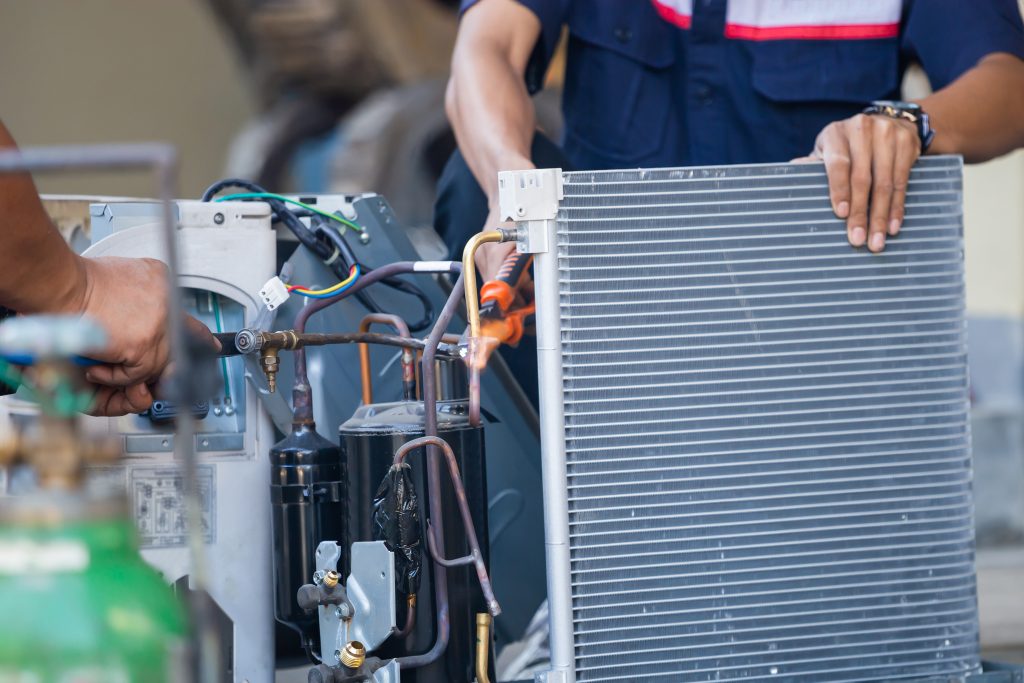
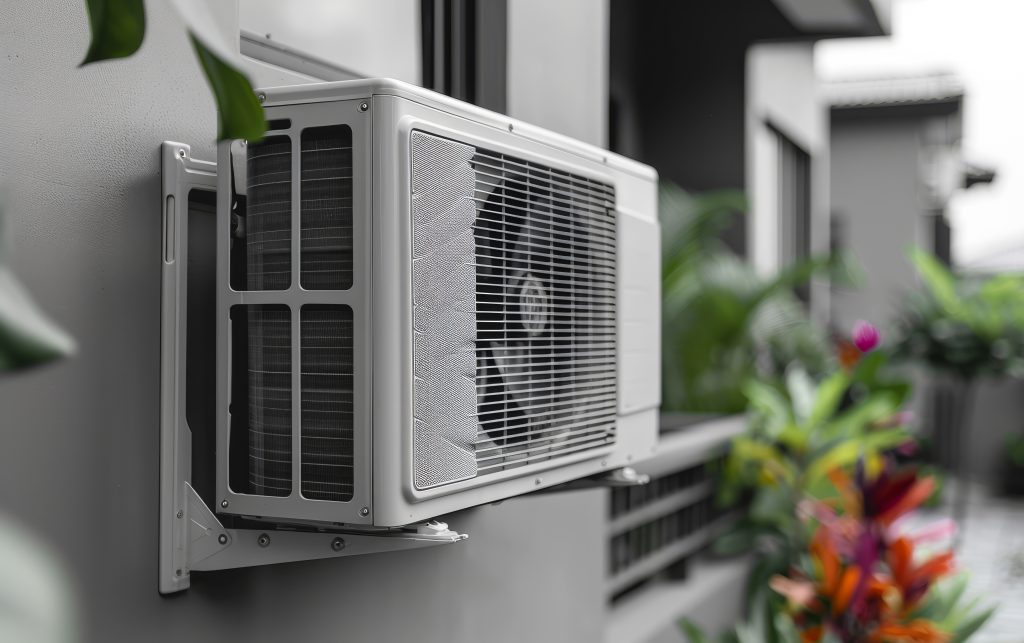
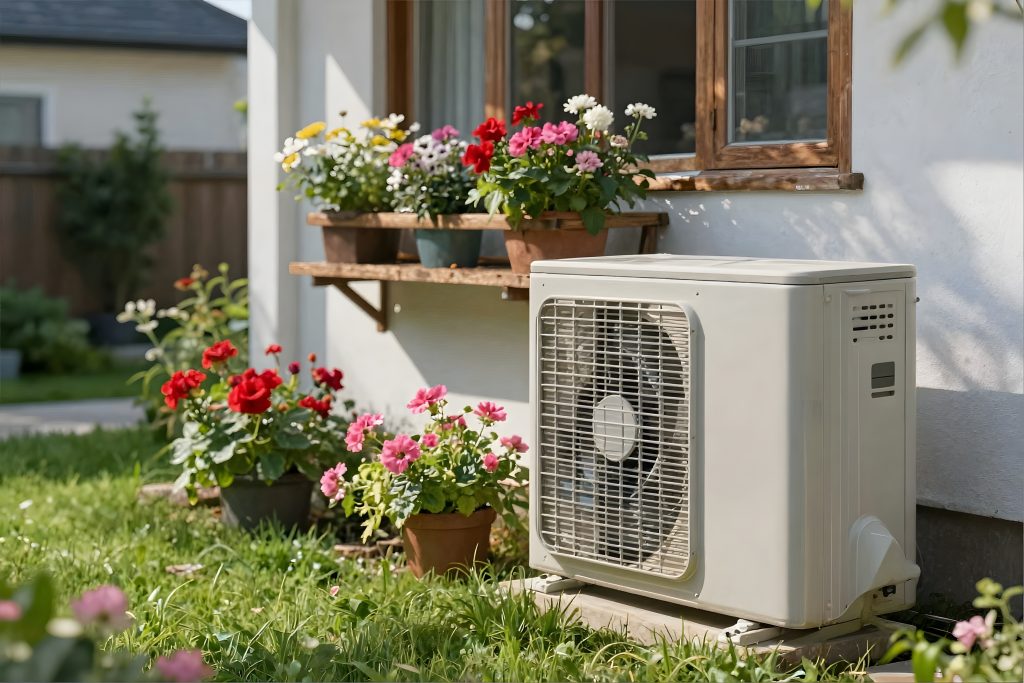
Key Takeaway: The best AC system for your home depends on space, budget, and long-term efficiency goals. Window AC units provide quick, low-cost cooling, while central air delivers consistent whole-home comfort. Geothermal cooling offers the highest efficiency and longest lifespan, making it a strong option for homeowners seeking long-term energy savings and sustainability. Oklahoma summers bring extended heat, making the search for the best AC system a practical decision for many homeowners. Cooling performance, operating costs, and installation requirements all influence which system works best. The three most common options—window AC units, central air conditioning, and geothermal cooling—each offer different advantages depending on the home and budget. Window units are typically the most affordable and easiest to install. Central air provides balanced cooling throughout the home. Geothermal cooling uses stable underground temperatures to deliver highly efficient heating and cooling year-round. Energy efficiency also plays an important role. Systems that use less electricity can help reduce monthly utility bills while maintaining consistent comfort. Homeowners exploring AC solutions in Oklahoma can compare system types to find the most practical option for their space and long-term needs. The Simplicity and Affordability of Window AC Units Window AC units remain popular because of their relatively low AC installation cost and quick setup. Many units can be installed in a single afternoon and begin cooling immediately, making them useful for renters or homes needing temporary relief during peak heat. Window AC units are commonly used for: Cooling a single room or small apartment Short-term cooling during extreme heat Homes without ductwork Situations where upfront cost is the main concern Despite their convenience, window units have limitations. They cool only one area at a time and often create uneven temperatures throughout a home. Their energy use per square foot is also higher than larger systems, which can increase long-term operating costs. Homeowners planning a more permanent upgrade may explore central air or geothermal cooling for better efficiency and whole-home comfort. Professional AC installation helps ensure systems are sized correctly and operate efficiently. Central Air Conditioning: Reliable Comfort for Every Room Central air conditioning remains a common choice for homeowners searching for the best AC system. Instead of cooling a single room, central systems distribute air through ductwork to maintain consistent temperatures throughout the home. Installing central air requires more planning than a window unit. Ductwork, electrical connections, and proper system sizing all affect the final AC installation cost. While installation is more involved, central systems often provide quieter operation and improved efficiency once installed. Routine service helps maintain performance. Scheduling regular AC maintenance allows technicians to inspect components, clean coils, and verify refrigerant levels. Central systems can also improve indoor air quality when paired with proper filtration. Regular air filter replacement helps maintain airflow while reducing dust and airborne particles throughout the home. Key Facts About Choosing the Best AC System for Oklahoma Homes Oklahoma summers push cooling systems hard. Choosing the best AC system means balancing comfort, installation cost, and long-term efficiency. Window AC units have the lowest upfront AC installation cost but cool only small spaces. Central air systems deliver consistent whole-home comfort with proper AC maintenance. Geothermal cooling offers the highest efficiency and can qualify for tax credits and rebates. Operating costs vary widely. Geothermal systems typically have the lowest operating costs. Modern energy-efficient technologies can significantly reduce power usage. Regular seasonal HVAC maintenance helps extend system life. With proper geothermal maintenance, geothermal systems can last more than 25 years. The Future of Cooling: Understanding Geothermal Systems For homeowners searching for the best AC system, geothermal cooling stands out for its efficiency and long-term value. These systems use the earth’s stable underground temperature to heat and cool a home with less energy waste. As explained in how geothermal works, buried loops transfer heat to and from the ground to maintain steady indoor comfort. Because geothermal systems rely on ground temperatures instead of changing outdoor air conditions, they typically use less electricity than traditional cooling systems. That can mean lower monthly utility bills and reduced environmental impact. Available geothermal tax credits and rebates can also help offset the higher upfront investment. Installation costs are higher than window units or central air, but long-term savings often make geothermal cooling attractive for homeowners planning to stay in their homes for years. With proper care, these systems can deliver efficient performance for decades. Comparing Costs: Upfront vs. Long-Term Value Choosing the best AC system means looking at both installation costs and long-term operating expenses. Window units usually have the lowest AC installation cost, which makes them appealing for short-term or supplemental cooling. Central air costs more upfront but typically offers better whole-home comfort and stronger long-term performance. Geothermal systems require the highest initial investment because of the underground loop installation. However, their lower operating costs can make them more economical over time. For homeowners planning to stay put, lower utility bills may eventually offset the higher installation cost. For families looking to manage upfront expense, HVAC financing options for upgrades and replacements may help make larger system upgrades more practical. Comparing short-term affordability with long-term value gives a clearer picture of which system fits the home and budget best. Energy Efficiency: Saving More While Cooling Smarter Energy efficiency plays a major role when comparing the best AC system for a home. Window AC units generally use more electricity relative to the space they cool, while central air can deliver better efficiency when properly sized and maintained. Geothermal cooling is often the most efficient option because it uses stable ground temperatures to reduce energy demand. Modern HVAC systems also give homeowners more ways to improve performance. Options like energy-efficient heating with heat pumps in Oklahoma show how newer technology can improve comfort while lowering energy use throughout the year. When comparing systems, it helps to look beyond the initial AC installation cost. A system that uses less energy and needs fewer repairs may deliver better value over time, especially for homeowners focused on long-term savings. Maintenance and