Western Oklahoma Area

(580) 323-2003

El Reno, Yukon, Mustang

(405) 868-2000

4.9 Stars

200+ Reviews

WESTERN OKLAHOMA

580-323-2003

WEST OKLAHOMA CITY

405-868-2000

4.9 Stars

200+ Reviews

Please select a template!

WESTERN OKLAHOMA

580-323-2003

WEST OKLAHOMA CITY

405-868-2000

Author name: webadmin

AC repairs, repair tips, maintenance advice, avoid repair costs
Air Conditioning

Avoiding Common HVAC Repairs in Yukon, OK

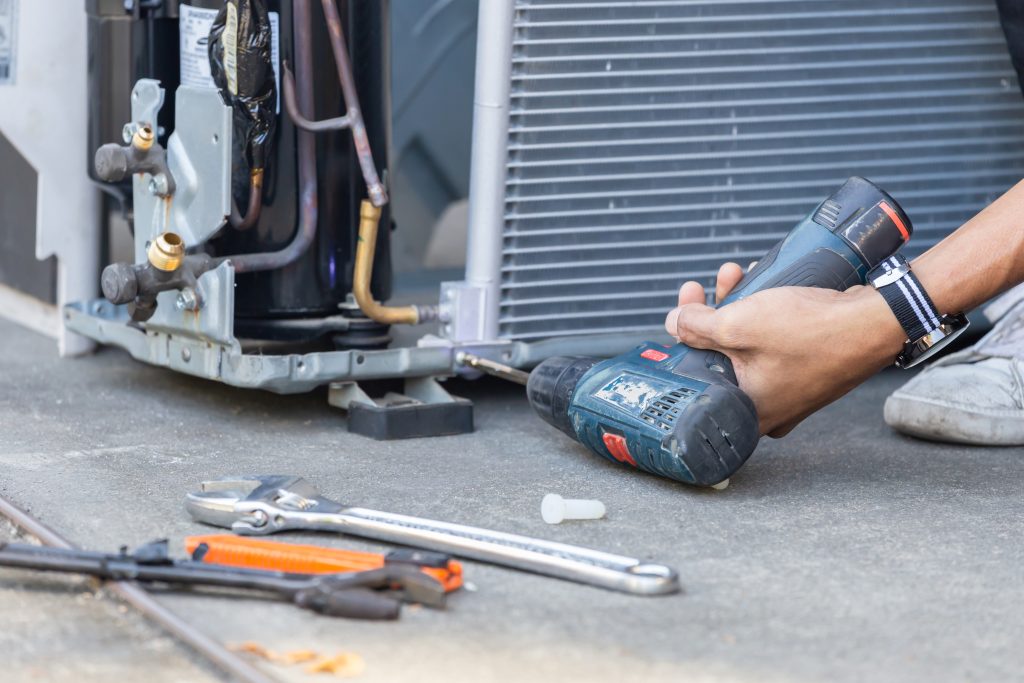
Key Takeaway: Preventing costly AC repairs starts with consistent maintenance. Addressing refrigerant leaks, sensor issues, and drainage problems early helps reduce unexpected expenses. By following practical repair tips and routine maintenance advice, homeowners can maintain HVAC efficiency and avoid repair costs that come with neglect. Smart Solutions: Avoiding Common HVAC Repairs in Yukon, OK Unexpected AC repairs can be both inconvenient and expensive. For homeowners in Yukon, OK, understanding how to prevent common heating and cooling problems is essential. By learning about frequent HVAC issues and taking proactive steps, you can avoid repair costs and maintain consistent comfort. Many AC repairs result from skipped maintenance, but with the right knowledge and a simple routine, you can keep your system running efficiently. Knowing the typical issues that affect air conditioners and heaters makes it easier to prevent them. When systems aren’t maintained, small issues turn into larger expenses. With practical maintenance advice and straightforward repair tips, you can avoid repair costs while keeping your home comfortable throughout the year. This guide outlines the most common HVAC concerns and the steps you can take to stop them before they start. The sections below explain the common AC repairs and heater malfunctions Yukon homeowners encounter most often. Addressing these issues early can save money and extend equipment life. By understanding what causes them, you’ll know how to handle small concerns before they lead to major repairs. Understanding Common AC Repairs Air conditioners commonly experience refrigerant leaks, sensor problems, and drainage blockages. These issues lower efficiency and raise energy costs if not addressed promptly. A refrigerant leak limits cooling performance and puts strain on the compressor. Faulty sensors cause short cycling, and clogged drains can result in water damage around the unit. During Yukon’s hottest months, these problems are especially common. For example, a refrigerant leak can leave the system blowing warm air on a day when it’s needed most. Recognizing these problems early helps prevent breakdowns. Understanding what leads to AC repairs allows you to take preventive steps and reduce the risk of larger failures. Routine maintenance and inspections are key to catching issues before they worsen. Following regular maintenance advice—such as checking filters and scheduling seasonal inspections—helps detect problems early and avoid repair costs. Staying informed about common AC repairs ensures reliable cooling and better system performance all year. Heater Malfunctions and Their Causes Heaters experience many of the same risks as air conditioners. Common malfunctions include thermostat errors, pilot light issues, and mechanical wear. A faulty thermostat can cause uneven heating, while pilot light failures prevent ignition entirely. Ignoring small signs of wear can eventually lead to more expensive repairs or system failure. These heater problems also impact energy efficiency. A malfunctioning unit works harder, increasing both strain and utility costs. Preventing these issues starts with seasonal maintenance and timely adjustments. Using consistent repair tips—like checking thermostat accuracy, cleaning components, and inspecting for wear—helps avoid repair costs and keeps energy use under control. In Yukon’s colder months, ensuring your heater is ready before temperatures drop is essential. Following reliable maintenance advice reduces the risk of emergency repairs and keeps your system performing efficiently through winter. Important Facts About HVAC Repairs in Yukon, OK HVAC systems are essential for comfort at home, but when they fail, repairs can be inconvenient and expensive. Understanding common issues and knowing how to prevent them helps reduce stress and avoid repair costs. Here are some key facts about HVAC repairs in Yukon, OK: Regular maintenance, such as replacing filters, can extend system life and lower the need for AC repairs. Common air conditioning issues include refrigerant leaks and sensor malfunctions, which can increase energy bills if left unchecked. Heater problems such as faulty thermostats or pilot light issues affect both comfort and safety during cold weather. Many homeowners in Yukon face sudden breakdowns, so recognizing warning signs early supports faster and more affordable repairs. Energy-efficient systems, including modern heat pumps, can cut energy use and improve comfort across all seasons. Financing options for HVAC repairs and upgrades make it easier to manage costs without sacrificing efficiency or comfort. Preventative Maintenance Tips Regular maintenance remains the best way to avoid costly AC repairs and keep your system running smoothly. One of the simplest pieces of maintenance advice is to change air filters consistently. Clogged filters reduce airflow and force the system to work harder, which can lead to unnecessary wear and early breakdowns. Scheduling professional inspections once a year helps identify small problems before they grow into expensive repairs. Seasonal maintenance protects performance and efficiency. Preparing the system for summer cooling or winter heating extends its lifespan and helps avoid repair costs. Taking time for these small steps ensures dependable comfort and reduces the likelihood of emergency calls during extreme weather. Adding these simple repair tips into your regular routine keeps your HVAC system reliable year-round. Staying proactive with maintenance improves efficiency, minimizes downtime, and helps maintain a consistent, comfortable home environment. Navigating Repairs with Financing Options When unexpected AC repairs appear, financing options can help manage costs without interrupting comfort. Flexible payment plans allow homeowners to spread out repair expenses or cover system upgrades when needed. This approach keeps your system operating reliably while protecting your household budget. Financing also supports long-term improvements. Investing in an updated, energy-efficient HVAC system can lower utility bills and reduce future repair needs. By exploring available HVAC financing options, homeowners can make smart upgrades that improve comfort and reduce overall maintenance demands. Knowing how financing works helps you plan effectively for both immediate and future needs. Whether handling a single repair or preparing for a system replacement, these options provide flexibility while maintaining a dependable and efficient HVAC system. Energy Efficiency and Cost Savings Energy-efficient choices, such as installing heat pumps, can greatly reduce operating costs while improving comfort. Heat pumps offer both heating and cooling, making them an ideal option for homeowners who want to save on energy bills. By focusing on efficiency, you can manage expenses, protect
furnace not blowing hot air, heater troubleshooting, furnace repair DIY, heating system check
Air Conditioning

Furnace Not Blowing Hot Air? Start with Thermostat Settings

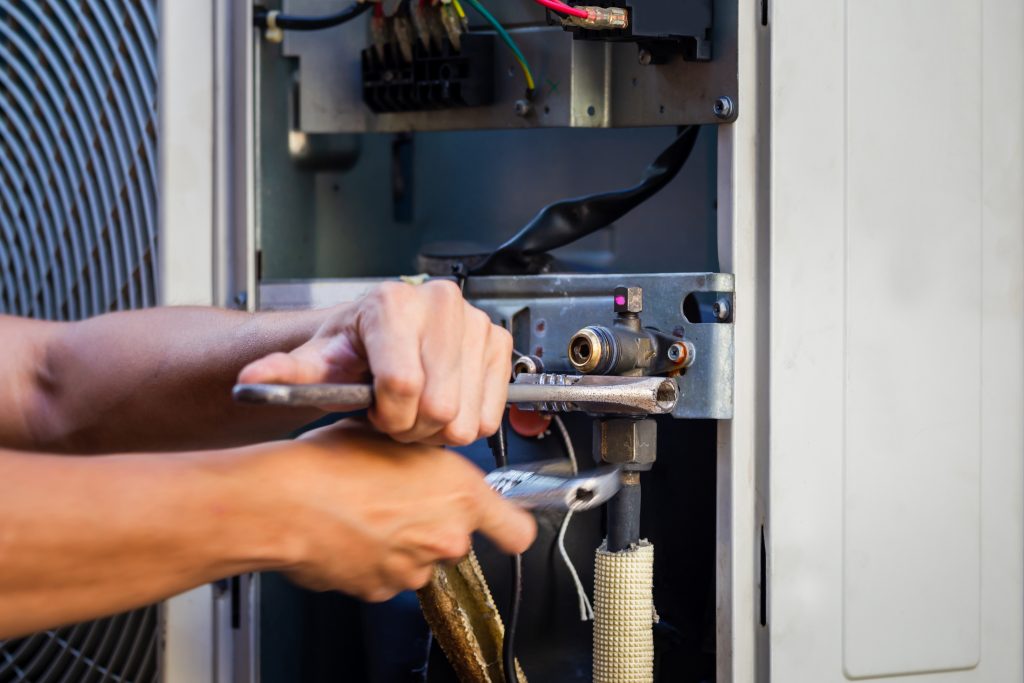
Key Takeaway: A furnace not blowing hot air often comes down to thermostat settings, clogged filters, or a failed pilot light. Quick heater troubleshooting steps—like adjusting the thermostat, swapping a dirty filter, or confirming the pilot is lit—can restore heat quickly. When problems persist, avoid risky furnace repair DIY and book a professional heating system check to keep your home safe and comfortable. Coming home to find your furnace not blowing hot air can be frustrating, especially when the temperatures drop. Before calling for service, take a few heater troubleshooting steps. A careful heating system check often reveals simple fixes that save time and money. Knowing which furnace repair DIY tasks are safe can also help you restore comfort quickly. One of the most common issues is thermostat settings. Make sure the thermostat is in heating mode and the temperature is set above the current room reading. If your furnace is running but not heating, incorrect settings may be the reason. Replacing low batteries or checking thermostat placement can also improve performance. Inspecting Air Filters for Better Performance If your furnace is not blowing hot air, the air filter may be clogged. Dust and debris build up quickly, blocking airflow and causing the system to overheat or shut down. Replacing a filter every one to three months keeps the system efficient and the air clean. To replace a filter, remove the old one and install a new one with the arrows pointing in the correct airflow direction. This small step can prevent costly breakdowns and is one of the simplest furnace repair DIY tasks for homeowners. Examining the Pilot Light for Smooth Operation Another reason for a furnace not blowing hot air is a pilot light that has gone out. The pilot ignites the burners and, without it, your furnace can’t produce heat. Check the flame at the base of the unit. If it’s out, follow the manufacturer’s instructions to relight it safely. If the pilot won’t stay lit, this points to a deeper problem that needs professional service. Safety comes first—if you smell gas or aren’t sure how to proceed, don’t attempt furnace repair DIY. Instead, schedule a heating system check to protect your home and family. Important Facts About Furnace Troubleshooting The comfort of your home depends on a reliable heating system. When you discover a furnace not blowing hot air, it can quickly turn into an uncomfortable situation. Before scheduling service, review these important facts to guide safe heater troubleshooting: Thermostat Issues: Many problems come from incorrect settings. Confirm the thermostat is in heating mode and set above the room temperature. Air Filter Condition: Dirty or clogged filters block airflow. Replace them regularly to protect efficiency and air quality. Pilot Light Function: An extinguished pilot light prevents heat production. Follow safety instructions carefully if relighting. Power Supply Checks: A tripped breaker or switched-off furnace power supply can stop the system entirely. Blower Motor Health: The blower circulates heat. Unusual noises or intermittent operation may signal the need for service. Air Duct Inspection: Blocked or dirty ducts restrict airflow. Periodic inspection and cleaning keep heat moving efficiently. Check Circuit Breaker and Power Supply When you’re dealing with a furnace not blowing hot air, the electrical supply should be one of the first things checked. A tripped breaker is a common issue that can shut the system down completely. Go to your electrical panel and see if the furnace breaker has flipped. If so, reset it by moving the switch back to the “on” position. In many cases, this simple step resolves a furnace not blowing hot air without further intervention. Also confirm that the furnace’s nearby power switch is in the “on” position. If the breaker and switch are fine but the furnace not blowing hot air problem continues, avoid handling electrical parts yourself. Instead, reach out for professional help through emergency heating services to ensure safe diagnosis and repair. Inspect the Blower Motor If the furnace is running but still not blowing hot air, the blower motor may be the reason. This component drives airflow through the ducts, so failure leads directly to cold air circulation. Listen for unusual sounds like grinding, rattling, or squealing, which often signal a problem. Visible wear or intermittent starts are also signs of trouble. Keeping the blower motor clean and free of dust is part of effective furnace repair DIY. However, complex repairs should always be left to a professional. Scheduling routine heating maintenance helps extend the blower motor’s lifespan and ensures your next heating system check identifies issues before they lead to another furnace not blowing hot air scenario. Evaluate Air Ducts for Blockages When facing a furnace not blowing hot air, don’t overlook the air ducts. Blockages or leaks can limit airflow, reducing the amount of warm air reaching your rooms. Start by checking accessible ducts for visible dust, buildup, or damage. Even small obstructions can restrict circulation and make your heating system less effective. While simple inspections can spot surface problems, a deeper cleaning may require professional service. If ducts are heavily clogged or show signs of damage, schedule a heating system check for a thorough evaluation. Proper duct care, including attention to ductless systems, keeps airflow strong and supports overall efficiency. Furnace Not Blowing Hot Air FAQs Why is my furnace blowing cold air? A furnace blowing cold air often means the thermostat isn’t set correctly or the system isn’t firing. Make sure the thermostat is in heating mode, the setting is above room temperature, the pilot light is lit, and the filter is clean. How often should I replace air filters? Air filters should generally be replaced every one to three months. Homes with pets, high dust, or allergy concerns may need more frequent replacement to maintain airflow and system efficiency. What should I do if the pilot light goes out? Use your furnace manual’s instructions to relight the pilot safely. If it will not stay lit or you notice gas odors, do not attempt

reduce energy costs, energy saving tips, efficient home systems, lower AC bills, plumbing efficiency
Air Conditioning

DIY Ways to Reduce Energy Costs with Efficient Home Systems

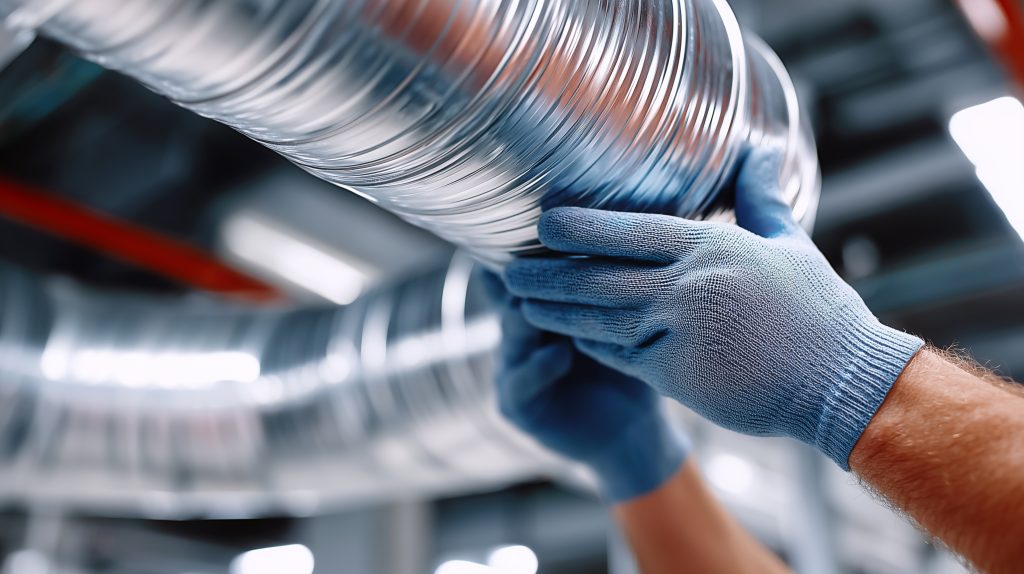
Key Takeaway: To reduce energy costs, homeowners should focus on efficient home systems. Regular AC maintenance, smart thermostat use, fixing plumbing leaks, and upgrading to efficient appliances all contribute to lower utility bills. Combining these energy saving tips supports a more sustainable and cost-effective household. Rising utility prices have made it more important than ever for families to find ways to reduce energy costs. By combining smart air conditioning practices with improved plumbing efficiency, homeowners can create efficient home systems that save money while reducing waste. The result is a more comfortable living space that requires less energy to maintain. Simple strategies, from lowering AC bills through regular tune-ups to conserving water with efficient plumbing fixtures, can add up to significant savings. This guide highlights practical energy saving tips that make homes more efficient, cost-effective, and environmentally friendly. Maximize Air Conditioning Efficiency Keeping your AC in peak condition is one of the easiest ways to reduce energy costs. Replacing or cleaning filters improves airflow and prevents the system from overworking. Regular inspections for leaks and scheduling seasonal tune-ups ensure your unit runs at top efficiency. Using a programmable or smart thermostat is another way to lower AC bills. By automatically adjusting temperatures based on your schedule, these devices reduce unnecessary runtime while keeping your home comfortable. Together, maintenance and smart controls form the foundation of efficient home systems. Smart Thermostat Advantages Smart thermostats offer precise control over heating and cooling, helping homeowners reduce energy costs without sacrificing comfort. By learning your daily habits, they automatically adjust settings to save energy when it’s not needed. Remote access also allows you to change temperatures from anywhere, ensuring efficiency even when you’re away. Over time, this technology creates measurable savings. For households aiming to improve efficient home systems, integrating a smart thermostat is one of the most effective energy saving tips available. Plumbing Efficiency Tips Plumbing plays a surprisingly important role in managing household energy use. Leaks force water heaters to work harder, wasting both water and energy. Fixing these problems promptly can reduce utility bills and conserve resources. Upgrading to low-flow faucets and showerheads is another cost-effective step toward plumbing efficiency. These fixtures reduce water consumption without compromising performance, lowering demand on your water heater and helping reduce energy costs overall. Important Facts About DIY Energy Saving As energy costs rise, many households feel the pinch. Finding ways to cut these expenses is crucial. Optimizing both air conditioning and plumbing systems helps reduce energy costs effectively. Here are some important facts to consider: Regular Maintenance: Keeping your AC unit in good shape saves energy. Simple tasks like cleaning or replacing filters boost efficiency. Smart Thermostats: These devices adjust temperatures automatically. They learn your habits and help lower energy use. Fixing Leaks: Addressing plumbing leaks promptly can prevent higher water bills. Every drop saved counts toward savings. Insulation Matters: Insulating pipes and ductwork helps keep temperatures steady. This prevents energy loss during heating and cooling. Energy-Efficient Appliances: Choosing appliances with Energy Star ratings can cut energy use significantly. Look for these labels when upgrading. Professional Check-Ups: Scheduling regular HVAC and plumbing check-ups keeps systems running smoothly. Maintenance now prevents costly repairs later. Insulating Pipes and Ductwork Insulating pipes and ductwork is a crucial step in enhancing system efficiency and reducing energy loss. Proper insulation helps maintain the desired temperature of the air or water traveling through these systems, which can significantly reduce energy costs. By preventing heat loss in the winter and keeping cool air from escaping in the summer, insulation ensures that your heating and cooling systems work more efficiently. To effectively insulate pipes and ductwork, start by identifying areas that are prone to energy loss, such as those in unheated spaces like attics or basements. Use foam pipe insulation sleeves for pipes and wrap ductwork with foil-faced fiberglass insulation. This simple yet effective DIY project can lead to substantial savings on energy bills. Additionally, addressing these areas can contribute to a more efficient home system, enhancing overall comfort. By taking the time to insulate your pipes and ductwork, you not only improve the efficiency of your heating and cooling systems but also contribute to a more sustainable home environment. This proactive approach is an essential part of any comprehensive energy-saving strategy, ensuring that your home remains comfortable while keeping utility costs in check. Energy-Efficient Appliances Investing in energy-efficient appliances is a smart way to significantly reduce energy costs. Modern appliances, such as HVAC units and water heaters, are designed with advanced technology to minimize energy consumption while maintaining high performance. By choosing appliances with Energy Star ratings, homeowners can ensure they are selecting products that meet strict energy efficiency guidelines. Energy-efficient appliances not only help in lowering utility bills but also contribute to a more sustainable lifestyle. These appliances use less energy to perform the same tasks as their less efficient counterparts, which means they have a smaller environmental footprint. This is particularly important in today’s world, where reducing energy consumption is a key factor in combating climate change. When selecting new appliances, consider the long-term savings on energy bills as well as the initial purchase price. While energy-efficient models may have a higher upfront cost, the savings they provide over time can be substantial. By integrating these appliances into your home, you can enjoy the dual benefits of lower energy bills and a reduced environmental impact. Regular HVAC and Plumbing Check-ups Scheduling regular professional check-ups for both HVAC and plumbing systems is essential to ensure they operate efficiently. Regular maintenance can prevent costly repairs and extend the lifespan of these systems, ultimately helping to reduce energy costs. By catching potential issues early, homeowners can avoid unexpected breakdowns and maintain optimal system performance. During a professional check-up, technicians will inspect and service key components of your HVAC and plumbing systems. This includes checking for leaks, cleaning components, and ensuring that all parts are functioning correctly. Such proactive maintenance not only enhances system efficiency but also contributes to a more efficient

energy efficient heating and air conditioning, energy saving AC, eco-friendly heater, reduce energy costs
Air Conditioning

Why Energy Efficient Heating and Air Conditioning Matters

Key Takeaway: Energy efficient heating and air conditioning systems are essential for homeowners who want to reduce energy costs and support sustainability. Modern options like energy saving AC units and eco-friendly heaters improve comfort, lower utility bills, and may qualify for tax credits or rebates. Choosing these systems helps build a more cost-effective and environmentally conscious home. With utility prices on the rise, upgrading to energy efficient heating and air conditioning is one of the most effective ways to reduce energy costs. These systems are designed to use less power without compromising comfort, making them a smart investment for long-term savings. By combining high-efficiency equipment with smart usage habits, homeowners can lower monthly bills while reducing their environmental impact. That means less wasted energy, lower emissions, and a more sustainable home overall. Whether it’s an energy saving AC system or an eco-friendly heater, small improvements can add up to big results. Eco-Friendly Heating Options Upgrading your heating system is a practical move toward better efficiency. Heat pumps are among the most popular choices for an eco-friendly heater. Instead of generating heat, they transfer it—consuming far less energy than traditional systems. Heat pumps are effective in many climates and often provide both heating and cooling. This dual purpose makes them a cost-efficient option that supports year-round comfort. Choosing a heat pump or another eco-friendly heating solution helps reduce energy costs while supporting a larger shift toward sustainable home systems. Energy Saving AC Systems Cooling your home efficiently is just as important. Energy saving AC units use advanced technology to minimize electricity consumption while maintaining comfort. Many modern systems use inverter compressors, which adjust output to match your home’s needs instead of running at full speed constantly. Maintenance also plays a major role. Regular cleaning, filter changes, and inspections keep AC systems running smoothly and prevent energy waste. Explore the benefits of routine AC maintenance to make sure your system stays efficient. By choosing energy efficient heating and air conditioning equipment—and keeping it properly maintained—you can enjoy lower bills, greater comfort, and a more eco-friendly household. Important Facts About Energy Efficient Heating and Air Conditioning Energy efficient heating and air conditioning systems are more than a luxury—they are essential for saving money and protecting the environment. Rising costs and ongoing climate concerns make these solutions a key part of modern living. Here are some important facts to consider: Reduced Costs: High-efficiency systems can save homeowners up to 30% annually on energy bills. Eco-Friendly Options: Heat pumps provide both heating and cooling while using far less energy than traditional systems. Tax Credits: Many energy efficient upgrades qualify for rebates and tax credits, reducing upfront costs. Regular Maintenance: Seasonal maintenance improves efficiency, prevents breakdowns, and extends equipment lifespan. Ductless Systems: These compact, versatile systems offer flexibility and can significantly reduce energy consumption. Geothermal Energy: This renewable option can cut heating and cooling costs in half, while delivering sustainable comfort. Financial Incentives for Energy Efficiency Investing in energy efficient heating and air conditioning can pay off faster than many homeowners realize. Rebates and tax credits are often available to offset the upfront costs of eco-friendly systems, making them an attractive option for households that want to reduce energy costs and environmental impact. Along with incentives, many families turn to HVAC financing options that spread payments over time. This approach makes upgrades accessible while allowing homeowners to enjoy immediate energy savings. Instead of delaying improvements, financing makes it possible to start saving now while avoiding a large upfront expense. By taking advantage of both rebates and financing, upgrading to energy saving AC units or eco-friendly heaters becomes a practical and affordable choice for many households. The Role of Regular Maintenance Regular maintenance is one of the simplest ways to protect your investment in energy efficient heating and air conditioning. Seasonal tune-ups keep systems running smoothly, prevent costly breakdowns, and extend equipment life. A system that’s well maintained operates more efficiently, helping to reduce energy costs year after year. Common maintenance tasks include replacing or cleaning air filters, checking for leaks, and inspecting airflow throughout the system. These steps not only improve performance but also prevent small issues from becoming major repairs. Proactive care saves money, improves comfort, and ensures your system stays reliable during extreme weather. Learn how seasonal HVAC maintenance supports both performance and efficiency. A consistent maintenance schedule is one of the best ways to maximize comfort while keeping energy use under control. Ductless HVAC Systems: A Flexible and Efficient Option Ductless HVAC systems are becoming a top choice for homeowners looking for energy efficient heating and air conditioning. These systems provide targeted comfort without the need for ductwork, reducing energy waste and improving overall efficiency. Available in both single-zone and multi-zone setups, ductless systems allow precise temperature control in individual rooms. This flexibility not only enhances comfort but also supports energy savings by avoiding the need to heat or cool unused spaces. In addition, skipping ductwork eliminates the energy loss that often occurs in traditional systems, further improving performance. By installing ductless systems, homeowners gain a cost-effective solution that balances comfort, efficiency, and sustainability. They are a forward-looking choice that aligns with the growing demand for eco-friendly and energy saving AC solutions. Learn more about the advantages of ductless systems and how they fit into modern home design. Geothermal Energy: A Sustainable Approach to Comfort Geothermal systems represent one of the most eco-friendly heating and cooling technologies available today. By drawing on the earth’s steady underground temperatures, geothermal energy provides reliable comfort year-round with minimal environmental impact. This technology transfers heat between the ground and the home, making it far more efficient than traditional systems. Homeowners who choose geothermal can benefit from consistent indoor temperatures, reduced utility bills, and significant long-term savings. Another advantage of geothermal energy is the availability of rebates and tax credits that lower installation costs. Combined with ongoing energy savings, these incentives make geothermal a strong investment for families seeking both comfort and sustainability. By embracing geothermal systems,

reduce air conditioner bills, lower cooling costs, summer energy saving tips, cut AC expenses
Air Conditioning

How To Reduce Air Conditioner Bills

Key Takeaway: To effectively reduce air conditioner bills, regular HVAC maintenance is crucial as it ensures the system operates efficiently, preventing costly repairs and optimizing performance. Additionally, upgrading to a smart thermostat and sealing home leaks can cut cooling costs significantly. By embracing a combination of these strategies, homeowners can achieve substantial savings on their summer energy expenses. As summer heats up in Oklahoma, keeping your home cool can get expensive fast. If you’re trying to reduce air conditioner bills, improving efficiency and making targeted upgrades can go a long way toward keeping energy use in check. By combining HVAC maintenance with helpful technology and home management strategies, you can lower cooling costs without sacrificing performance. These summer energy saving tips can help cut AC expenses and keep your system running smoothly through peak season. Regular HVAC Maintenance Is Essential Routine system care is one of the most effective ways to reduce energy use. A clean, well-maintained air conditioner doesn’t have to work as hard to keep your home comfortable, which means lower bills and fewer breakdowns. Maintenance includes tasks like replacing air filters, cleaning coils and fins, and checking for restricted airflow. A neglected system can waste energy and fail when you need it most. If it’s been a while since your last tune-up, consider scheduling seasonal HVAC maintenance to restore performance before temperatures climb higher. If you’re curious how much money you can save on your electricity bill by maintaining or upgrading your system, check out our handy HVAC Savings Calculator, designed specifically for homeowners to see exactly how much you could save by optimizing your HVAC system—no jargon, no surprises: Install a Smart Thermostat One of the easiest ways to cut AC expenses is to install a smart thermostat. These devices automatically adjust temperatures based on your habits and can be controlled remotely from your phone or tablet. Over time, even small changes in temperature control can result in noticeable savings. Smart thermostats also help prevent overcooling by avoiding unnecessary system runtime when no one’s home. Explore thermostat installation and repair services to help make your cooling system more efficient and easier to manage. Seal and Insulate Your Home Proper sealing and insulation help reduce air conditioner bills by keeping cool air inside and hot air out. Gaps around windows, doors, and attics can force your air conditioner to work harder, using more energy and raising your utility costs. Small improvements like adding weather stripping or caulking cracks can make a noticeable difference. These upgrades are cost-effective and support your efforts to lower cooling costs while improving overall indoor comfort. They also fall under simple, high-impact summer energy saving tips that homeowners can apply quickly. If you’re planning to leave town, sealing and insulating your home beforehand helps maintain efficiency while you’re away. This kind of preparation can reduce unnecessary energy use and prevent waste. By making your home more airtight, you support both comfort and cost control during peak summer heat. Important Facts to Reduce Air Conditioner Bills in El Reno, OK The summer heat in Oklahoma can lead to soaring air conditioning costs. As temperatures rise, so does the need for effective cooling solutions. It is essential to find ways to reduce air conditioner bills and make homes more energy efficient. This not only helps save money but also lowers one’s carbon footprint. Here are some important facts to consider when looking to cut those bills this summer: Regular HVAC maintenance can cut cooling costs significantly. Scheduling check-ups improves efficiency and prevents high repair bills. Upgrading to a smart thermostat can save up to 15% on cooling costs by optimizing usage based on your schedule. Sealing gaps around doors and windows can prevent cool air from escaping. Proper insulation keeps homes comfortably cool. Using ceiling fans in conjunction with air conditioning can make spaces feel cooler. This reduces the need for AC usage. Energy-efficient air conditioning systems use less energy, resulting in lower utility bills. Modern units can save up to 50% more energy compared to older models. Alternative cooling options, such as geothermal systems, provide long-term savings and require less energy than traditional AC systems. Use Ceiling Fans for Efficient Cooling Ceiling fans help circulate cool air more evenly, which eases the load on your air conditioning system. Using fans alongside your AC is one of the easiest ways to lower cooling costs without adjusting your comfort level. The added airflow allows you to set your thermostat a few degrees higher, which can reduce energy use over time. To get the most from your ceiling fans, make sure they’re set to rotate counterclockwise during summer months. This helps push cooler air downward, enhancing circulation throughout the space. Turning fans off when rooms are unoccupied can also help cut AC expenses, since fans cool people—not rooms. Another simple but important practice is regular air filter replacement. Clean filters improve airflow and keep your AC running efficiently. By combining these habits, you can reduce air conditioner bills while keeping your home comfortable through the hottest days of the year. Upgrade to Energy-Efficient Systems Switching to a modern, energy-efficient air conditioning system is one of the most direct ways to reduce air conditioner bills. These systems are built to use less energy while maintaining consistent cooling, making them an effective solution for homeowners who want to cut AC expenses over the long term. Features such as variable speed compressors and improved humidity control help lower cooling costs without sacrificing performance. These systems also tend to run quieter and more reliably than older models, adding comfort and value to your home. Financing options are available to make these upgrades more accessible. Many homeowners take advantage of HVAC financing for upgrades and replacements, which can spread out the cost over time. Upgrading to a high-efficiency unit not only saves money but also supports a more environmentally responsible home. Most new systems come with extended warranties and improved durability, which can reduce repair costs in the years ahead. With

plumbers okc, home maintenance tips, coordinated repair services, integrated home systems
Air Conditioning

Plumbers OKC: Coordinating Plumbing and HVAC for a More Comfortable Home

Maintaining a comfortable and efficient home in Oklahoma City depends on more than just working appliances—it requires attention to how systems work together. Plumbing and HVAC systems are deeply connected, and when one falters, the other often follows. Skilled plumbers OKC that residents rely on help ensure plumbing systems support overall HVAC performance and energy efficiency. Coordinated maintenance between these systems can significantly improve household comfort and reduce utility costs. Rather than reacting to problems as they arise, homeowners benefit from proactive care. This article shares practical home maintenance tips, explores the advantages of coordinated repair services, and explains how integrated home systems contribute to a better living environment. How Plumbing and HVAC Systems Work Together Plumbing and HVAC systems are more interconnected than many homeowners realize. In Oklahoma City homes, these systems often share utility space and directly influence one another’s performance. A malfunctioning water heater, for example, can reduce HVAC efficiency and lead to uneven temperatures throughout the home. Likewise, leaks and water damage can compromise ductwork, insulation, and airflow. Responding to plumbing issues promptly is key to maintaining comfort and efficiency. Delays can lead to larger problems that strain both systems. Regular inspections from experienced plumbers OKC residents trust help protect HVAC components while preventing unnecessary damage to your home’s infrastructure. By including both plumbing and HVAC in your home maintenance tips checklist, you create a more stable and energy-efficient environment—reducing costly surprises and improving indoor comfort year-round. Why Coordinated Repair Services Matter Coordinated repair services offer an efficient way to maintain integrated home systems. When plumbers OKC professionals and HVAC technicians collaborate, they can identify issues that might otherwise go unnoticed. This approach improves performance and extends the life of both systems. With fewer service calls and reduced labor costs, homeowners benefit from a streamlined maintenance routine. Instead of treating each system in isolation, coordinated repair services ensure both plumbing and HVAC components work together—supporting better performance and fewer disruptions. Homeowners can also take advantage of upgrade and replacement financing, especially when making improvements to multiple systems at once. Whether you’re planning a seasonal checkup or major renovation, bundling services makes long-term care more affordable and effective. By treating plumbing and HVAC as a unified system, Oklahoma City homeowners create more reliable, efficient living spaces—while reducing the risk of future emergency repairs. Key Insights for Improving Home Comfort in OKC Comfort and efficiency go hand in hand when it comes to maintaining a home in Oklahoma City. Plumbing and HVAC systems support each other in ways many homeowners don’t realize. Below are some essential facts about how these systems work together to improve your home environment. Regular care from experienced plumbers OKC homeowners trust can help avoid costly breakdowns and extend system lifespan. A water heater that’s not performing well can reduce heating efficiency—especially during colder months. Coordinated repair services save time and money by tackling plumbing and HVAC issues during the same visit. Simple home maintenance tips, like replacing filters and inspecting exposed pipes, make a noticeable difference in system performance. Smart monitoring tools give homeowners more control by providing real-time updates on plumbing and HVAC operations. Integrated home systems that include smart technology help homeowners stay ahead of issues and simplify maintenance. Home Maintenance Tips for Year-Round Comfort Building a routine that includes seasonal checks on plumbing and HVAC systems helps ensure long-term comfort and savings. This includes small tasks like cleaning filters, inspecting pipes for leaks, and watching for unusual system behavior. These habits reduce the risk of costly problems and support efficient performance. As seasons change, so do system demands. Preparing your heating setup before winter or checking for plumbing issues ahead of summer can prevent last-minute emergencies. Staying ahead with proactive steps improves both comfort and energy use throughout the year. When maintenance becomes a habit, systems run more smoothly—and you’re less likely to face disruptions when you need them most. The Value of Integrated Home Systems Modern homes benefit from systems that combine plumbing, heating, and cooling into a unified strategy. By coordinating how these systems are managed, homeowners reduce complexity and increase long-term efficiency. Smart thermostats and similar tools support this integration by offering real-time performance insights. Catching small problems early makes it easier to plan upgrades or service, keeping your home systems running without surprise breakdowns. Integrated home systems offer the convenience of managing comfort, efficiency, and upkeep from one platform—ideal for homeowners looking to simplify care and maximize results. Managing Emergencies with Coordinated Repair Services When a plumbing or HVAC emergency strikes, having a plan in place can make all the difference. For homeowners in Oklahoma City, working with experienced plumbers OKC and HVAC professionals through coordinated repair services helps ensure a quick and efficient response. These integrated home systems keep essential utilities running smoothly, even during extreme weather conditions. From burst pipes to failed furnaces, emergencies are less stressful when you’ve already partnered with providers who understand your entire setup. A coordinated service plan not only connects you to the right help faster—it also protects your home’s long-term comfort and performance. Proactive planning is a core part of effective home maintenance. By working with professionals who specialize in both plumbing and HVAC, you’re better equipped to manage system failures and reduce potential damage. Future-Proofing Integrated Home Systems Future-proofing your plumbing and HVAC systems means upgrading with long-term performance in mind. Oklahoma City homeowners who adopt energy-efficient technologies and follow expert home maintenance tips are more likely to avoid costly repairs while enjoying consistent comfort year-round. Systems like energy-efficient heat pumps not only reduce your carbon footprint—they also integrate easily with other systems in your home. These solutions are central to building smart, sustainable living spaces that require less energy and provide greater reliability. When you keep up with innovations in integrated home systems, you’re not just improving comfort—you’re also increasing your property’s value. By partnering with plumbers OKC homeowners already trust, you can stay ahead of system failures and ensure long-term resilience. FAQs: Plumbers OKC

heating and air conditioning financing, new AC installation financing, heater installation financing, financing options okc
Air Conditioning

Unlocking Comfort with Heating and Air Conditioning Financing

In Oklahoma City, staying comfortable year-round means having a reliable heating and air conditioning system. But for many homeowners and businesses, the cost of a new installation can be a barrier. Heating and air conditioning financing offers a practical way to move forward—spreading out expenses without putting comfort on hold. Whether you’re looking into heater installation financing or planning a new AC installation, flexible financing options help you manage your budget while upgrading to a more efficient system. These plans allow you to enjoy better performance and lower energy use without the full upfront cost. In the sections below, we’ll cover how financing works, why upgrading your system can be a smart investment, and how Oklahoma City residents can make the most of available options. Exploring HVAC Financing Options There are several financing options available in Oklahoma City for both residential and commercial HVAC systems. Flexible payment plans can make it easier to replace outdated systems, manage emergency repairs, or invest in energy-efficient upgrades—especially for those considering new AC installation financing. Wisdom Refrigeration offers multiple HVAC financing options for upgrades and replacements, including low-interest plans and customized terms. These solutions help ease the financial pressure while allowing you to move forward with a more efficient system. With the right financing plan, you can improve comfort and reduce long-term energy costs—without delaying critical upgrades. Whether you’re a homeowner or business owner, these options make HVAC improvements more accessible and manageable. The Benefits of New HVAC Installations Installing a new heating or air conditioning system can lead to lower energy bills, fewer repair issues, and more consistent comfort. Modern systems are built for efficiency, helping reduce utility costs—especially during Oklahoma City’s extreme heat or cold. Upgrading your system can also increase home value and improve indoor air quality. Smart features, better filtration, and consistent airflow contribute to a healthier and more comfortable environment. Energy-efficient solutions like heat pumps provide year-round heating and cooling with less energy use. If you’re interested in sustainable systems, take a closer look at energy-efficient heating with heat pumps in Oklahoma to see how they can help lower costs and support a cleaner future. Important Facts About Heating and Air Conditioning Financing Efficient heating and air conditioning systems are essential in Oklahoma City’s variable climate. Understanding heating and air conditioning financing helps homeowners and businesses make upgrades without absorbing the full cost upfront. Here are key facts to consider when evaluating financing options in OKC: Flexible payment plans allow you to finance new systems over time, making upgrades more accessible for both residential and commercial properties. Energy-efficient HVAC systems reduce utility bills, helping offset monthly payments and improve long-term savings. Homeowners may qualify for tax credits or rebates when installing energy-efficient equipment, further lowering the cost of new AC or heater installations. Proactive maintenance extends system life and reduces unexpected repair costs—making every financed dollar go further. Businesses benefit from commercial HVAC upgrades by improving comfort, productivity, and energy efficiency. Special financing options are often available for commercial clients. Upgraded systems can increase property value while lowering operating costs, offering financial benefits beyond immediate comfort. Cost-Saving Tips for Homeowners New AC installation financing helps spread out costs, but smart planning can stretch those dollars even further. Routine maintenance plays a major role in keeping systems efficient and preventing surprise repairs. Regular tune-ups help extend system life while protecting your investment, and seasonal HVAC maintenance is one of the most effective ways to stay ahead of costly issues. Small upgrades can also lead to big savings. Installing smart thermostats, sealing ductwork, and improving home insulation all support efficient system performance. These adjustments help your new HVAC system work less to deliver the same comfort—reducing wear and utility costs over time. Homeowners using heater installation financing or other payment plans can improve their return by adopting simple energy-saving habits. Turning down the thermostat when away, using fans for circulation, and managing sun exposure are easy ways to cut down on energy use without sacrificing comfort. Financing for Businesses: A Strategic Approach Heating and air conditioning financing isn’t just for homeowners. For Oklahoma City businesses, it can be a smart way to reduce upfront costs while improving energy efficiency and comfort. Flexible financing options OKC businesses can access make it easier to invest in long-term upgrades without straining budgets. Systems like commercial ductless HVAC are especially well-suited for offices, retail spaces, and light industrial buildings. These systems allow for efficient, zoned heating and cooling with lower energy waste—helping businesses control costs while maintaining indoor comfort year-round. Many companies also benefit from incentives like tax credits and utility rebates. When paired with the right heating and air conditioning financing plan, these savings can make high-efficiency systems more accessible—allowing businesses to manage monthly payments and improve performance at the same time. Tax Credits and Rebates: A Financial Boost One of the biggest advantages of pursuing heater installation financing or new AC installation financing is the potential to qualify for tax credits and energy rebates. These incentives can significantly reduce the cost of upgrading your HVAC system, helping both homeowners and businesses make smarter financial decisions. In Oklahoma City, energy-efficient systems that meet certain criteria may be eligible for federal tax credits and local utility rebates. Reviewing available heating tax credits and rebates can uncover valuable ways to offset installation costs while supporting more sustainable energy use. Combining these incentives with flexible heating and air conditioning financing options allows customers to maximize savings and invest in long-term comfort. Upgrading to a high-efficiency system not only improves climate control—it can also pay off through lower bills and stronger resale value. Overcoming Financial Barriers Financing a new HVAC system can seem challenging—but with the right approach, common barriers like credit concerns, high interest rates, or complex terms can be addressed. Many homeowners and businesses across Oklahoma City are turning to heating and air conditioning financing to break down these obstacles and move forward with much-needed upgrades. Working with a trusted contractor like Wisdom Refrigeration opens

residential heating and air conditioning, commercial heater service, home AC repair, business cooling solutions
Air Conditioning

Residential Heating and Air Conditioning vs. Commercial HVAC

When it comes to comfort and efficiency, choosing the right HVAC system matters. Residential heating and air conditioning systems serve different purposes than commercial heater service and business cooling solutions. Understanding these differences helps you select the system that works best for your space, budget, and long-term comfort. Residential systems are built for homes, focusing on comfort, control, and energy efficiency in smaller spaces. Commercial HVAC systems are designed to handle larger areas with higher demands, offering scalable and flexible solutions for businesses. This guide highlights the key features of both residential and commercial options—so you can make a smart, informed decision that fits your needs. What to Know About Residential Heating and Air Conditioning Residential systems are designed to keep homes comfortable all year. They focus on consistent temperature control, lower energy use, and easy operation. Many setups now include smart thermostats that let you adjust settings remotely and track energy usage. Regular service, including seasonal maintenance and occasional home AC repair, helps extend the system’s life and prevent surprise breakdowns. A well-maintained system also runs more efficiently, keeping energy bills in check. Modern residential heating and air conditioning systems often include features that learn your preferences, adjust automatically, and improve indoor comfort with minimal energy waste—making them a solid investment for everyday living. How Commercial HVAC Systems Work for Business Spaces Commercial systems are built for scale. They handle high-capacity heating and cooling across larger or multi-zone spaces like offices, retail stores, and warehouses. These systems must be adaptable, durable, and energy-efficient to meet shifting business demands. One key advantage of commercial heater service is the ability to customize climate zones. With tools like ductless mini-splits or rooftop units, businesses can adjust temperature settings by room or department—improving comfort while keeping costs under control. Reliable business cooling solutions also boost productivity and customer satisfaction. A comfortable space supports focus, reduces complaints, and helps protect equipment from temperature swings. Combined with regular maintenance, a commercial HVAC system becomes a key part of smooth operations. Important Facts About Residential vs. Commercial Home Comfort Solutions Choosing the right HVAC system is crucial for comfort and efficiency. Understanding the differences between residential and commercial systems can help you make an informed decision. Here are six important facts to consider: Heating and Cooling Needs: Residential HVAC systems focus on smaller spaces, while commercial systems cater to larger areas, needing more power and complexity. Maintenance Requirements: Commercial systems generally require more frequent maintenance compared to residential units. Regular service ensures efficiency and longevity. Energy Efficiency: Both residential and commercial HVAC systems have options for energy-efficient heating, such as using heat pumps, which lower energy costs. Smart Technology: Many residential HVAC systems now include smart thermostats. These allow homeowners to manage their energy use more effectively. Installation Complexity: Installing commercial HVAC systems can be more complex due to the need for ductwork and zoning. Professional installation is often necessary. Cost Differences: The initial cost and ongoing operating expenses differ significantly. Commercial systems may have higher upfront costs but can be more efficient in the long run. Key Differences Between Residential Heating and Air Conditioning and Commercial Systems Residential heating and air conditioning systems are designed for smaller, single-use spaces. They prioritize simplicity, energy efficiency, and homeowner control. These systems are typically compact, easy to install, and ideal for maintaining consistent temperatures in a single-family home. Commercial HVAC systems, on the other hand, are built for scale. They support larger, more complex spaces such as office buildings, warehouses, or retail stores. These systems often include multiple zones and advanced controls to meet the varied needs of a business environment. One major difference is in maintenance. Commercial heater service requires more frequent checkups due to the system’s workload and complexity. In contrast, home HVAC systems usually have simpler maintenance needs and can often be serviced more quickly. Both types of systems can include smart technology, programmable settings, and high-efficiency features. But the installation, cost, and performance demands vary widely. Understanding the difference is key—whether you need reliable home AC repair or full-scale business cooling solutions. Cost Considerations and Financing Options When comparing residential heating and air conditioning to commercial systems, cost is a major factor. Residential systems usually cost less upfront, thanks to their smaller size and simpler installation. Commercial systems require more complex designs and equipment, which leads to higher initial expenses. Ongoing operating costs also differ. Commercial heater service and business cooling solutions may require more frequent maintenance and higher energy use. Home systems, by contrast, are typically more predictable and affordable to maintain over time. To make upgrades more manageable, there are financing options available. These can help both homeowners and businesses offset upfront costs. In many cases, tax credits or rebates can also ease the financial impact of installing energy-efficient systems. Energy Efficiency and Environmental Impact Energy efficiency is a top priority for both homes and businesses. Modern residential heating and air conditioning systems are designed to reduce energy waste. For commercial properties, high-efficiency equipment can help manage large-scale heating and cooling demands more sustainably. Heat pumps are a leading option for energy-efficient heating. They provide year-round comfort with lower operating costs. Choosing an energy-saving system also reduces your carbon footprint, making it a smart move for the environment and your wallet. Learn more about heat pump efficiency and how it can benefit both residential and commercial applications. Future Trends in HVAC Technology The HVAC industry is shifting toward smarter, more sustainable solutions. One major change is the move to A2L refrigerants. These low-global-warming refrigerants are safer for the environment and will soon become standard in both residential and commercial systems. Smart HVAC controls are also gaining popularity. Homeowners and business owners alike can now monitor and adjust system settings remotely, improving comfort and efficiency. These tools allow for better zoning, usage tracking, and reduced energy consumption. To stay ahead, it’s worth exploring upcoming HVAC trends. Planning ahead means better performance, lower costs, and a smoother transition as the industry evolves. FAQ:

ductless air conditioning, mini-split systems, energy efficient AC, ductless benefits
Air Conditioning

Why Ductless Air Conditioning Might Be Right For You

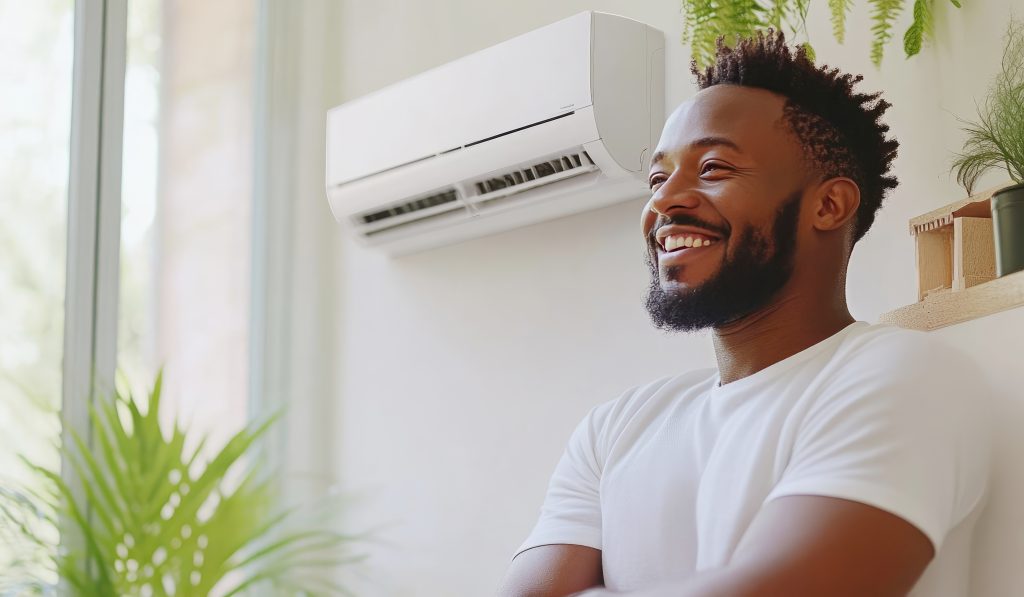
Ductless air conditioning is becoming a go-to solution for homeowners and businesses in Norman. These modern systems are known for their energy efficiency, flexible installation, and ability to deliver precise comfort without the need for bulky ductwork. As energy costs rise and sustainability becomes a priority, more property owners are making the switch to ductless. Also known as mini-split systems, ductless units provide energy efficient AC for both single rooms and entire buildings. They’re an ideal fit for older homes without ductwork, new additions, or any space that needs targeted temperature control. This article breaks down the top ductless benefits, including efficiency, ease of installation, and cleaner indoor air. Whether you’re upgrading a residential HVAC system or looking for a better cooling solution for your business, ductless air conditioning offers reliable performance, long-term savings, and improved comfort in every season. Why Ductless Systems Are Energy Efficient One of the main advantages of ductless air conditioning is its energy efficiency. Mini-split systems let you control temperatures by zone, so you’re only cooling or heating the areas you use. This targeted approach reduces energy waste and can lower your utility bills significantly. Ductless units also have high SEER (Seasonal Energy Efficiency Ratio) ratings, meaning they outperform many traditional systems in terms of efficiency. A higher SEER rating translates into better performance, lower energy use, and more savings over time. This makes energy efficient AC a practical choice for homeowners looking to cut costs and reduce environmental impact. If you’re looking for ways to reduce energy use without sacrificing comfort, ductless systems are a smart investment. They combine high performance with long-term savings, making them an ideal fit for both homes and commercial spaces. Easy Installation and Flexible Design Ductless systems are easier to install than traditional HVAC systems. They don’t require large-scale ductwork, which means less disruption to your home or business. Whether it’s a new construction, renovation, or retrofit, mini-split systems can be installed quickly and cleanly. Because they operate on a zone-by-zone basis, ductless air conditioners give you more control over your space. You can adjust temperatures in individual rooms to match specific needs, improving comfort and reducing waste. This flexibility is especially useful in buildings with uneven heating or cooling patterns. With fewer installation barriers and more layout options, ductless systems offer a fast, cost-effective way to upgrade your comfort and energy performance. Important Facts About Ductless Air Conditioning Systems Ductless air conditioning systems are becoming more common across Norman and beyond. Their flexibility, efficiency, and performance make them a smart solution for many homes and businesses. Here are six key facts that highlight the core ductless benefits: Energy efficiency is one of the biggest advantages. Mini-split systems can help lower energy bills significantly compared to traditional units. Flexible installation allows these systems to serve multiple zones. You can cool different areas independently—ideal for homes or buildings with varied needs. Indoor air quality often improves with ductless systems. They reduce dust, allergens, and other airborne particles, supporting a cleaner, healthier environment. Quiet operation is a standout feature. These systems are designed to run with minimal noise, making them great for bedrooms, offices, or other quiet areas. Although installation costs can be higher up front, ductless systems often save money over time through lower energy use and fewer maintenance needs. With remote controls and programmable settings, users get precise control over their comfort. That means better performance and less wasted energy. Improved Indoor Air Quality Ductless air conditioning systems help improve indoor air quality by reducing the spread of dust, allergens, and pollutants. Traditional ductwork can collect buildup that circulates through the home or office. Ductless systems avoid this problem entirely, helping maintain a cleaner environment—especially for people with allergies or respiratory conditions. This benefit also applies to commercial spaces. Cleaner air can lead to healthier employees, fewer sick days, and better overall productivity. Learn more about the importance of regular air filter replacement to maintain your system’s performance and indoor air quality. If you’re looking for a system that not only keeps your space comfortable but also supports better health, ductless air conditioning is a smart solution. Quiet Operation Ductless air conditioning systems are known for running quietly—an important advantage over many traditional systems. The compressor and fans are designed for low-noise operation, helping maintain peace and quiet in any room. This is especially helpful in places where noise matters, like bedrooms, nurseries, home offices, or meeting rooms. You get the comfort of cool air without the distracting hum of older HVAC systems. Quiet operation adds to the overall comfort of your home or workplace, making ductless systems a top choice for those who value both performance and a calm indoor atmosphere. Cost-Effectiveness Over Time While ductless air conditioning systems may require a higher upfront investment than traditional HVAC units, they deliver long-term value through reduced energy use and lower monthly bills. These systems are designed to operate efficiently, using less power to maintain indoor comfort—especially when compared to whole-home systems that condition unused spaces. Another key savings factor is lower maintenance. Traditional HVAC systems often need duct cleanings, repairs, and tune-ups. In contrast, ductless systems skip the ductwork and typically require fewer service calls. Property owners can also take advantage of financing options to make installation more affordable. Over time, the combination of energy savings, fewer repairs, and flexible financing makes ductless systems a smart financial decision for both homeowners and businesses. Enhanced Control and Comfort Ductless air conditioning systems provide a higher level of control than traditional systems. With features like remote operation, programmable timers, and zone-based temperature settings, you can manage comfort in each room independently. This helps reduce energy waste while ensuring everyone stays comfortable where they are. Customized control is especially useful in homes or offices with different usage patterns throughout the day. For example, you can cool only the rooms you’re using, rather than running a central system for the entire space. This flexibility is one of the many ductless benefits that

air conditioner not cooling, AC troubleshooting, DIY AC check, warm air fixes
Air Conditioning

Air Conditioner Not Cooling? 5 DIY Checks Before Calling a Pro

Experiencing an air conditioner not cooling can be frustrating, especially during the hot months. This common issue can disrupt comfort and lead to higher energy bills. Before calling a professional, understanding simple fixes can save time and money. Identifying basic problems is crucial, as many issues can be resolved with a few DIY checks. Homeowners often overlook simple solutions, assuming the worst when their AC fails. However, many problems stem from minor issues that are easy to fix. By addressing these, you can restore your air conditioner’s efficiency without professional help. This article will guide you through essential DIY checks to tackle the problem of an air conditioner not cooling. We will explore several areas where you can perform AC troubleshooting. These include checking thermostat settings, inspecting air filters, and examining circuit breakers. These steps are straightforward and can significantly improve your AC’s performance. Let’s dive into these DIY AC checks to find warm air fixes that might just solve your cooling woes. Check the Thermostat Settings One of the simplest reasons for an air conditioner not cooling is incorrect thermostat settings. It’s easy to overlook, but ensuring the thermostat is set to “cool” and at the right temperature is vital. Often, settings may be accidentally changed, or the thermostat might be set to “heat” instead of “cool.” Double-checking these settings can quickly resolve the issue. Regular monitoring of your thermostat is beneficial. A smart thermostat can help maintain the desired temperature efficiently. It adjusts settings automatically, ensuring optimal performance. This not only saves energy but also extends the lifespan of your AC unit. For those interested in upgrading, consider exploring options for thermostat installation and repair to enhance your system’s efficiency. Additionally, setting the thermostat to a temperature that matches your comfort needs is crucial. Avoid setting it too low, as this can overwork the system and lead to higher energy costs. By keeping the thermostat settings in check, you ensure your AC operates efficiently, providing the cooling comfort you need. Inspect the Air Filter A clogged or dirty air filter is a common cause of an air conditioner not cooling effectively. Air filters play a crucial role in maintaining airflow and ensuring the system functions efficiently. When filters become clogged, they restrict airflow, causing the AC to work harder and reducing its cooling capacity. Regularly checking and replacing air filters is essential. Most manufacturers recommend changing filters every 1-3 months, depending on usage and environmental factors. A clean air filter not only improves airflow but also enhances indoor air quality. It helps remove dust, pollen, and other particles, ensuring a healthier living environment. Maintaining clean air filters also contributes to the longevity of your AC system. It prevents unnecessary strain on the unit, reducing the risk of breakdowns. For more on how regular air filter replacement can improve air quality, consider exploring strategies to enhance your system’s performance and ensure a comfortable home environment. Important Facts About An Air Conditioner Not Cooling Air conditioners are essential in maintaining comfort in our homes. When an air conditioner stops cooling, it can be frustrating. Here are some important facts to consider: A simple thermostat setting can often lead to cooling problems. Ensure your thermostat is set to “cool” and at the right temperature. Dirty or clogged air filters restrict airflow. Regular filter replacement can improve both cooling efficiency and indoor air quality. A tripped circuit breaker may cause your AC unit to stop working. Check your breaker box if you experience sudden warm air. The outdoor unit needs to be clean and free of debris. Plants and dirt can block airflow and reduce performance. Refrigerant leaks can greatly affect how well an air conditioner cools. Identifying a leak early can save you from costly repairs. Regular maintenance checks can prolong the lifespan of your AC system. Simple DIY checks can often resolve common problems. Check the Circuit Breaker One common reason for an air conditioner not cooling is a tripped circuit breaker. It’s essential to understand that a circuit breaker can trip due to a power surge or overload, cutting off power to your AC unit. To address this, locate your home’s electrical panel and identify the breaker linked to your air conditioner. If it’s in the “off” position, simply flip it back to “on.” This straightforward step can often resolve the issue without further intervention. When performing this AC troubleshooting step, always prioritize safety. Ensure your hands are dry and you’re standing on a dry surface to avoid any electrical hazards. If the breaker trips again immediately after resetting, it could indicate a more serious electrical issue that requires professional attention. Regularly checking and maintaining your circuit breaker can prevent unexpected power disruptions. By incorporating this simple DIY AC check into your routine, you can help maintain the efficiency and longevity of your air conditioning system. This proactive approach not only saves time but also helps in avoiding unnecessary repair costs. Inspect the Outdoor Unit For optimal performance, it’s crucial to ensure that your air conditioner’s outdoor unit is clean and unobstructed. Over time, debris such as leaves, dirt, and even small branches can accumulate around the unit, impeding its functionality. This obstruction can lead to the unit working harder than necessary, resulting in warm air blowing instead of the desired cool air. To maintain efficiency, regularly inspect the area around your outdoor unit. Clear away any debris and trim back any vegetation that might be encroaching on the unit. This simple maintenance task can significantly improve your AC’s performance. Additionally, consider scheduling routine AC maintenance to ensure all components are functioning correctly and efficiently. By keeping the outdoor unit clean and free from obstructions, you not only enhance its cooling capacity but also extend its lifespan. This proactive measure is a key part of effective AC troubleshooting and can prevent more serious issues from developing over time. Look for Refrigerant Leaks Refrigerant leaks are a less obvious but significant reason for an air conditioner not cooling effectively.

Scroll to Top

Request Service

*If you’re filling this out between the hours of 10 pm – 6 am, please give us a phone call instead for faster service using the following phone numbers*

Western Oklahoma Area

(580) 323-2003

El Reno, Yukon and Mustang

(405) 868-2000